




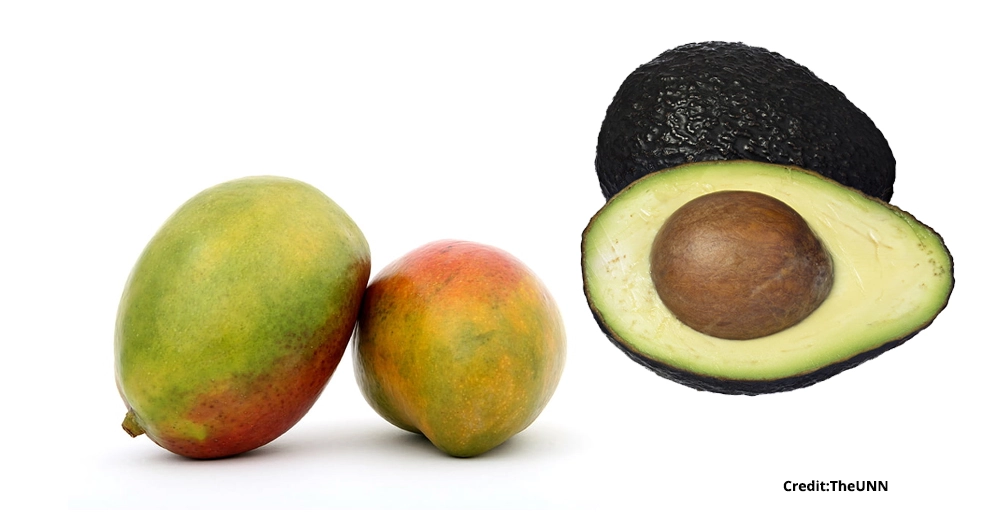
Research from the Illinois Institute of Technology indicates that incorporating a medium Hass avocado and a cup of mango into daily diets may significantly improve heart health, particularly among individuals diagnosed with prediabetes.
In a recent study conducted by researchers at the Illinois Institute of Technology, findings suggest that the daily consumption of mango and avocado can lead to notable improvements in cardiovascular health among adults with prediabetes. Published in the Journal of the American Heart Association, the research highlights the potential of these fruits to positively impact blood vessel function and diastolic blood pressure without contributing to weight gain or increased caloric intake.
The study involved 82 adults, aged 25 to 60 years, who were classified as having prediabetes, defined by elevated blood sugar levels that do not yet qualify as type 2 diabetes. All participants had a body mass index (BMI) ranging from 25 to 35, indicating that they were either overweight or mildly obese. For the duration of eight weeks, participants were divided into two groups. One group consumed a diet that included one medium Hass avocado and one cup of fresh mango daily, while the control group followed a diet of equivalent caloric value, replacing the fruits with carbohydrate-based foods.
Improvements in Blood Vessel Function
One of the most significant outcomes of the study was the enhancement in blood vessel function observed in the group consuming mango and avocado. This improvement was quantified using the flow-mediated dilation (FMD) test, a standard measure of vascular health that assesses how well blood vessels expand in response to increased blood flow. The results revealed that FMD measurements increased to 6.7% in the fruit-consuming group, illustrating improved vascular responsiveness. In stark contrast, the control group experienced a decrease in FMD to 4.6%, indicating a decline in vascular function.
Blood Pressure Findings
Furthermore, the study reported favorable changes in blood pressure readings, particularly among male participants. Those in the control group showed an average increase of 5 mmHg in central blood pressure, while male participants who included mango and avocado in their diet experienced a reduction of approximately 1.9 mmHg. These findings suggest that the inclusion of these fruits may help mitigate some cardiovascular risk factors associated with elevated blood pressure.
Kidney Health Indicators
The researchers also noted improvements in specific indicators of kidney health, particularly in the estimated glomerular filtration rate (eGFR), a key measure of kidney function. However, it is essential to note that cholesterol levels, blood sugar, and inflammatory markers did not demonstrate significant differences between the two groups, indicating that while the fruits may provide cardiovascular benefits, they do not appear to influence these specific metrics.
Nutritional Profile of Mango and Avocado
The researchers attribute the observed health benefits to the rich nutritional profiles of mango and avocado. Mango is a notable source of dietary fiber and vitamin C, while avocado is characterized by its high content of fiber, potassium, and healthy unsaturated fats, all of which are beneficial for cardiovascular health. Britt Burton-Freeman, the principal investigator and a professor at Illinois Tech, emphasized the significance of these findings, stating that they underscore the potential for food-based dietary interventions to mitigate the risk of cardiovascular diseases, especially among vulnerable populations.
Study Limitations and Call for Further Research
Despite the promising outcomes, the researchers cautioned that the study’s duration of eight weeks is relatively short, focusing primarily on cardiovascular risk indicators rather than long-term health outcomes, such as the incidence of heart attacks or strokes. As a result, the team advocates for further research to determine whether these benefits can be sustained over a longer period. The need for extensive studies is particularly critical given the growing prevalence of prediabetes in the United States.
Currently, it is estimated that around 98 million Americans are living with prediabetes, a condition that places them at an increased risk for developing type 2 diabetes and associated cardiovascular complications. The implications of this study are significant, suggesting that incorporating dietary interventions featuring mango and avocado could serve as a viable strategy to reduce cardiovascular risk among this population.
In light of these findings, health professionals may consider recommending the inclusion of these fruits in dietary plans aimed at enhancing heart health, particularly for individuals at risk of developing diabetes and related cardiovascular conditions. As research continues to explore the long-term effects of dietary patterns on health outcomes, the role of fruits like mango and avocado may become increasingly central in public health discussions surrounding preventive strategies for cardiovascular disease.



No Comment! Be the first one.