



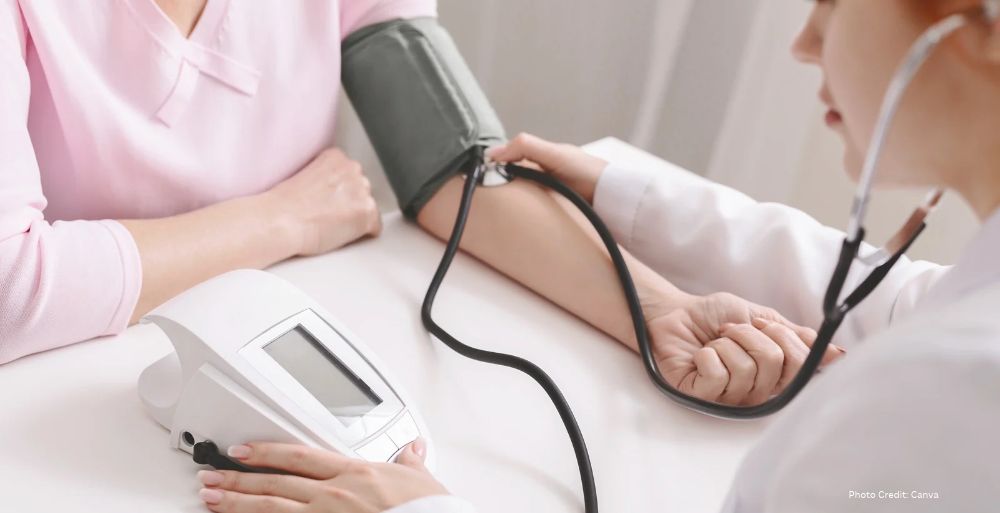
Regular physical activity and lifestyle modifications can significantly contribute to lowering blood pressure and enhancing overall cardiovascular health.
Regular exercise is a crucial component in managing blood pressure, serving as an effective adjunct to medication for those diagnosed with hypertension. The American Heart Association emphasizes that physical activity can lower blood pressure by 5 to 15 points, making it a vital part of a comprehensive health strategy. This article outlines various exercise and lifestyle recommendations to assist individuals in lowering their blood pressure effectively.
Understanding Blood Pressure and the Role of Exercise
Hypertension, or high blood pressure, affects approximately 47% of American adults, according to the Centers for Disease Control and Prevention (CDC). Left untreated, hypertension can lead to serious health complications, including heart disease and stroke. Regular physical activity is recognized as one of the most effective non-pharmacological strategies to manage blood pressure levels. Exercise not only helps lower blood pressure but also enhances the effectiveness of blood pressure medications in individuals already undergoing treatment.
Recommended Exercise Guidelines
Health experts recommend incorporating at least 30 minutes of moderate-intensity exercise on most days of the week. Engaging in enjoyable activities is key; options such as dancing, yoga, hiking, and gardening can all contribute to cardiovascular fitness without the need for a traditional gym setting. The focus should be on establishing a sustainable routine that fits into one’s lifestyle. It is crucial for individuals to discuss their exercise plans with healthcare providers to ensure they are suitable for their personal health conditions.
For individuals new to exercise, starting with low-impact activities such as walking for 10 to 15 minutes is advisable. Gradually increasing the duration and intensity of workouts helps build endurance and strengthen the heart. Experts advise aiming for brisk walking or similar moderate activities for a minimum of 150 minutes weekly, as recommended by the CDC.
Strength Training and Aerobic Exercise
In addition to aerobic exercises, incorporating strength training into a weekly routine is beneficial. Strength training, which can include the use of weights, resistance bands, or body-weight exercises like squats and lunges, helps build muscle mass and boosts metabolic rate. Research indicates that even a modest weight loss of 10 pounds can have a positive impact on blood pressure levels, particularly in overweight individuals. Losing weight can not only improve overall health but also significantly reduce the risk of developing hypertension.
Aerobic activities, which elevate heart rate, are particularly effective for blood pressure management. Swimming, cycling, and jogging are examples of effective cardiovascular exercises. It is important to consult with a healthcare provider before beginning any new exercise regimen, especially for individuals with existing health concerns, to ensure safety and effectiveness.
Creating a Sustainable Exercise Routine
Making exercise a regular part of one’s schedule is essential for long-term success. Finding time to work out can be integrated into daily activities; for example, exercising during children’s sports practices or even utilizing lunch breaks for physical activity can help maintain consistency. Additionally, incorporating short 10-minute workouts throughout the day can accumulate to achieve the recommended 30 minutes of daily exercise.
To facilitate home workouts, individuals can invest in basic equipment such as dumbbells, exercise bands, or a fitness mat. For those with more space and budget, larger equipment like treadmills or stationary bikes might be beneficial. The key is to find activities and equipment that motivate individuals to remain active.
Monitoring Heart Rate and Safety Precautions
Monitoring heart rate during exercise is particularly important for those with hypertension or those taking heart medications like beta-blockers, which can affect heart rate. Using a heart rate monitor can help individuals maintain their target training zone, ensuring they are exercising safely and effectively. Consulting with a healthcare provider about appropriate heart rate targets is recommended.
It’s crucial for individuals to pay attention to their bodies during exercise. If any discomfort, dizziness, or chest pain is experienced, it is essential to stop and consult a physician. Additionally, exercising in extreme heat or humidity should be approached with caution, as these conditions can elevate health risks. Starting with low-intensity exercises and gradually increasing the challenge can help reduce the likelihood of injury.
Dietary Considerations and Blood Pressure
In conjunction with exercise, dietary changes can further aid in managing blood pressure. The Dietary Approaches to Stop Hypertension (DASH) diet emphasizes the consumption of fruits, vegetables, whole grains, and low-fat dairy while reducing sodium intake. Research shows that adhering to the DASH diet can lower systolic blood pressure by 8 to 14 points. For individuals over 65, the target blood pressure is generally around 120/80 mmHg.
Current health recommendations suggest limiting sodium intake to no more than 2,300 milligrams per day, with a lower target of 1,500 milligrams for certain populations. Reducing salt intake can enhance the efficacy of blood pressure medications, potentially lowering systolic pressure by an additional 2 to 8 points. Substituting herbs for salt when cooking and avoiding processed meats and canned foods are practical ways to reduce sodium intake.
Conclusion
In summary, incorporating regular physical activity, making mindful dietary choices, and being proactive about health monitoring can significantly impact blood pressure management. Both exercise and lifestyle modifications are integral to preventing and controlling hypertension, ultimately leading to improved cardiovascular health and overall well-being. As awareness about hypertension grows, the importance of exercise and diet in managing this condition cannot be overstated.


No Comment! Be the first one.