





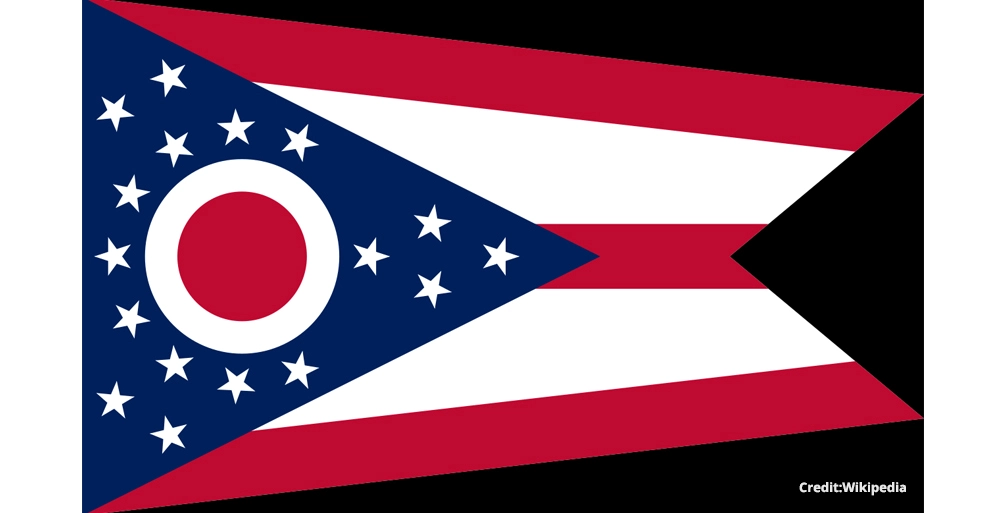
As Ohio prepares for a contentious Senate race, candidates are positioning themselves on key issues that resonate with voters, reflecting broader national trends.
Ohio is gearing up for a pivotal Senate race in 2024, with candidates beginning to emerge amid shifting political dynamics. This race, which holds significant implications for both state and national politics, is attracting considerable attention as it unfolds against a backdrop of economic concerns, social issues, and party alignment.
The current Senate seat is held by Republican Senator Sherrod Brown, who has been in office since 2007 and is recognized as one of the most vulnerable incumbents due to the changing political landscape in Ohio. Recent polls suggest that Brown’s approval ratings have dipped, and his re-election campaign will likely focus on addressing economic challenges faced by Ohioans, particularly in the wake of the COVID-19 pandemic.
Candidate Profiles
On the Republican side, potential candidates include Cleveland businessman and political newcomer Matt Dolan, who previously ran for the U.S. Senate in 2022, and former Ohio State Treasurer Josh Mandel. Both candidates are expected to leverage their business backgrounds to appeal to voters concerned about job growth and economic recovery. Dolan has emphasized the need for fiscal responsibility and has criticized Brown’s record on economic issues, positioning himself as a candidate who can bring fresh ideas to the Senate.
Meanwhile, Mandel has garnered attention for his hardline stance on immigration and national security, aiming to energize the Republican base by focusing on issues that resonate with conservative voters. His campaign is likely to highlight a commitment to border security and a strong national defense, which have become crucial topics in the current political climate.
Voter Sentiment and Key Issues
Polling data indicates that Ohio voters are primarily concerned about the economy, healthcare, and inflation. A recent survey conducted by Quinnipiac University found that 68% of voters consider the economy to be the most pressing issue, with healthcare closely trailing at 62%. This sentiment reflects national trends, where economic concerns have taken precedence over other political issues.
Brown’s campaign is expected to focus on his track record of supporting policies aimed at reducing healthcare costs and increasing access to affordable care. He has highlighted his efforts to secure funding for local hospitals and healthcare systems, which have faced significant challenges during the pandemic. Additionally, Brown is likely to emphasize his commitment to protecting Social Security and Medicare, issues that resonate deeply with Ohio’s aging population.
Party Dynamics and Electoral Implications
The upcoming Senate race is not just a contest between candidates; it also reflects broader party dynamics in Ohio, a state that has historically been a bellwether in national elections. Recent trends indicate a shift towards the Republican Party, as evidenced by Donald Trump’s victory in the state during the 2020 presidential election. This shift has prompted both parties to reassess their strategies and outreach efforts in an attempt to win over undecided voters.
Political analysts suggest that the outcome of this Senate race could have repercussions beyond Ohio, impacting the balance of power in the U.S. Senate. Should Brown lose, it could signal a broader trend of Democratic losses in swing states, while a victory would bolster the party’s chances in upcoming elections.
The Role of Campaign Financing
Campaign financing will play a critical role in the upcoming Senate race, with both major parties gearing up for a costly battle. According to the Center for Responsive Politics, the 2020 Ohio Senate race saw over $100 million spent, making it one of the most expensive races in the state’s history. With similar expectations for 2024, candidates will need to secure significant funding to compete effectively.
Both parties are expected to mobilize large networks of donors, and outside groups are likely to invest heavily in the race as well. The influence of Super PACs and dark money organizations, which can operate without disclosing their donors, raises questions about transparency in campaign financing and the potential impact on voter perceptions.
Conclusion
As Ohio’s Senate race heats up, candidates will need to navigate a complex political landscape characterized by economic challenges, shifting voter sentiments, and intense scrutiny from both parties. With the stakes high for control of the Senate, the race is poised to become a focal point of national attention in the lead-up to the 2024 elections.





No Comment! Be the first one.