





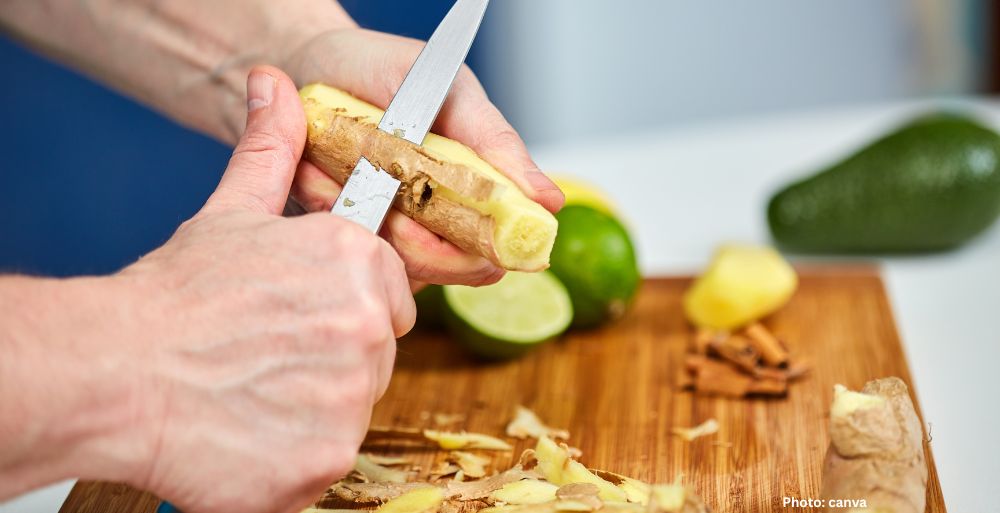
A growing number of households are adopting the practice of simmering lemon peels and ginger to enhance indoor air quality and create inviting scents, particularly as cooler weather prompts increased indoor activity.
As temperatures drop and people find themselves spending more time indoors, a notable trend is emerging across many households: the practice of simmering lemon peels and ginger. This simple yet effective ritual not only generates a pleasant aroma but also serves various practical purposes, particularly as indoor air can become stale during the colder months.
The Aromatic Appeal
The primary allure of simmering lemon peels and ginger lies in their aromatic properties. Lemon peel is abundant in essential oils, particularly limonene, a compound known for its refreshing citrus scent. When heated, these oils are released, filling indoor environments with a clean, invigorating fragrance that many find uplifting. Meanwhile, ginger contributes a warm and spicy note, resulting in a harmonious blend that enhances the overall olfactory experience.
This natural method of scenting living spaces is gaining traction as individuals seek alternatives to synthetic air fresheners. Many commercial air fresheners contain artificial fragrances and chemicals that some consumers prefer to avoid. The shift towards natural scents reflects a broader trend in health consciousness and environmental awareness, prompting people to seek out safer, more sustainable methods for enhancing their home ambiance.
Practical Uses Beyond Fragrance
In addition to its aromatic benefits, simmering lemon peels and ginger can effectively mask unwanted cooking odors. After preparing meals that produce strong scents, such as fish, onions, or bacon, households can quickly neutralize lingering smells with this concoction. This practice not only enhances the immediate atmosphere but also aligns with sustainable living ideals by utilizing what would otherwise be discarded—lemon peels left over from juicing and the ends of ginger root.
How to Create a Simmer Pot
For those interested in this trend, the process of creating a simmer pot is straightforward. Here’s a step-by-step guide:
- Take the peels of two or three lemons and slice a thumb-sized piece of fresh ginger.
- Place the lemon peels and ginger slices into a small saucepan.
- Add enough water to cover the ingredients, ensuring it is about two inches above the solids.
- Bring the mixture to a rolling boil, then reduce the heat to a gentle simmer.
- Check the water level every 30 minutes, adding more as needed to prevent the pot from running dry.
This simmer pot can also be customized. Variations may include adding a cinnamon stick, a few whole cloves, or a sprig of rosemary for additional fragrance. The mixture can be refrigerated and reheated for another use the following day.
Safety Considerations
While simmering ingredients on the stove is generally safe, it is vital to observe proper safety precautions. The National Fire Protection Association emphasizes that unattended cooking is a leading cause of home cooking fires. Therefore, it is critical never to leave a simmer pot unattended. Home cooks should avoid going to bed or leaving the house with the pot on the stove, and consistently monitor the water level to prevent it from drying out. For longer sessions, using a slow cooker set on its lowest setting with the lid off is recommended as a safer alternative.
Limitations and Misconceptions
It is essential to clarify what simmer pots can and cannot do. Some online sources claim that simmering lemon peels and ginger purifies the air or eliminates germs; however, these assertions lack scientific support. While this method can indeed add a pleasant scent and a slight increase in humidity to dry indoor air, it does not effectively clean or disinfect the environment. To address persistent odors, it is crucial to identify and tackle the source directly.
The practice of creating aromatic simmer pots has historical roots, with similar methods used for centuries in various cultures. This includes the traditional use of bay leaves, cloves, and cinnamon in water, which also serves to enhance the home environment.
In conclusion, the combination of lemon peels, ginger, and attentive supervision offers a straightforward yet effective way to refresh indoor spaces during colder months. As this trend continues to gain momentum, individuals are encouraged to embrace this natural method for creating a warm and inviting atmosphere in their homes. The ritual not only enhances the sensory experience of a household but also promotes a sustainable approach to utilizing kitchen scraps, aligning with a growing desire for more environmentally friendly living practices.




No Comment! Be the first one.