





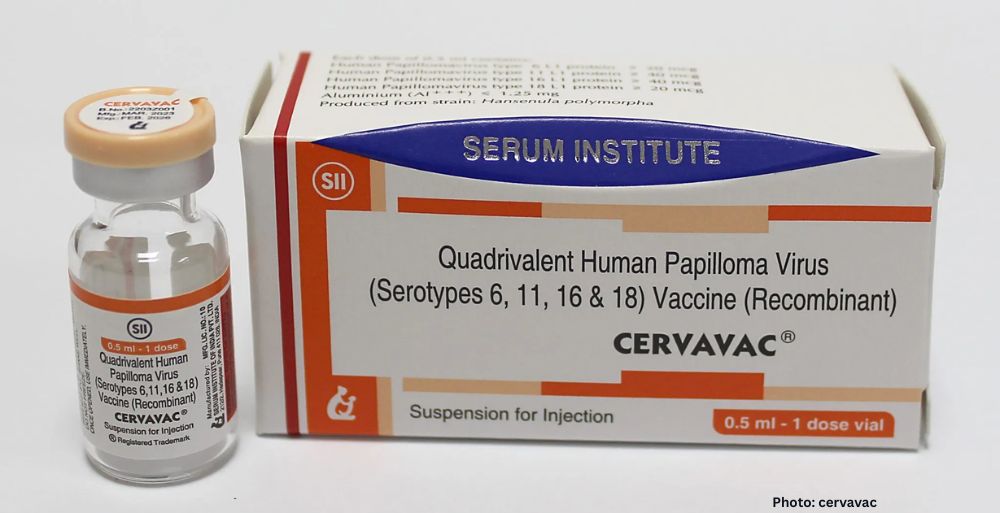
India’s Cervavac vaccine, developed by the Serum Institute of India, has received prequalification from the WHO, allowing for potential distribution through global immunization programs to combat HPV-related diseases.
NEW DELHI – On October 16, 2023, the World Health Organization (WHO) announced that it has granted prequalification to Cervavac, marking a significant milestone for India’s first domestically developed human papillomavirus (HPV) vaccine. This prequalification enables Cervavac to be procured by United Nations agencies, which is expected to facilitate its availability in global immunization programs focused on combating HPV-related diseases.
Developed by the Serum Institute of India (SII) in collaboration with the Department of Biotechnology, the Biotechnology Industry Research Assistance Council (BIRAC), WHO’s International Agency for Research on Cancer, and the Bill & Melinda Gates Foundation, Cervavac is a quadrivalent vaccine that targets four strains of HPV: types 6, 11, 16, and 18. Types 6 and 11 are primarily responsible for genital warts, whereas types 16 and 18 are high-risk strains associated with various cancers, particularly cervical cancer in women and anal cancer in men.
Vaccine Administration Guidelines
The distribution of Cervavac comes with specific administration guidelines. The vaccine is recommended in two doses six months apart for children aged 9 to 14, while individuals aged 15 to 26 are advised to receive three doses over a year. The vaccine functions by utilizing proteins that provoke an immune response to the targeted HPV strains. It is produced using the Hansenula polymorpha expression system, a method recognized for its efficiency in generating safe and effective vaccines.
Significance of WHO Prequalification
The WHO prequalification process is a critical step for vaccines, as it thoroughly assesses their quality, safety, and efficacy. This endorsement enhances the credibility of Cervavac and permits international organizations to incorporate it into their procurement lists for immunization initiatives. This is particularly vital for low- and middle-income countries that often face challenges in accessing advanced healthcare solutions.
The successful prequalification of Cervavac underscores a growing trend in global health that emphasizes the importance of locally produced vaccines, which can enhance self-sufficiency and diminish reliance on imports. The ability to produce vaccines domestically is increasingly recognized as essential in addressing global health challenges, particularly as HPV remains a significant risk factor for various health complications.
Global Context and Public Health Implications
The timing of Cervavac’s prequalification coincides with an urgent need in the global fight against HPV-related diseases. According to the WHO, HPV is the most prevalent sexually transmitted infection worldwide, affecting a substantial portion of sexually active individuals. The International Agency for Research on Cancer estimates that HPV leads to approximately 570,000 new cervical cancer cases and 311,000 deaths each year, highlighting the critical need for effective vaccination strategies.
With the introduction of Cervavac into the global immunization landscape, there is potential for a significant reduction in the incidence of HPV-related cancers, especially in regions where these diseases are endemic and vaccine access is limited. The WHO’s endorsement not only reflects confidence in Cervavac’s efficacy but also positions SII as a pivotal player in public health initiatives aimed at diminishing the burden of HPV-related diseases across diverse demographics.
Furthermore, the Indian government has been actively promoting vaccination efforts to improve public health outcomes, particularly among younger populations. By integrating Cervavac into national and global vaccination campaigns, the government aims to enhance awareness and accessibility, which are crucial components in combating HPV-related health issues.
Challenges and the Road Ahead
Despite the positive developments surrounding Cervavac, challenges remain in ensuring equitable access to the vaccine. The logistics of distribution, especially in rural and underserved areas, pose significant hurdles that must be addressed to achieve widespread vaccination coverage. Additionally, public awareness and education campaigns will be essential to inform communities about the benefits of vaccination and to dispel any myths surrounding HPV and the vaccine itself.
As Cervavac prepares for international procurement and distribution, its impact on public health will be closely monitored. The vaccine represents not only a significant advancement in the fight against HPV-related illnesses but also highlights the potential of domestic pharmaceutical innovations to contribute to global health solutions. Stakeholders in public health, including governments, non-governmental organizations (NGOs), and healthcare providers, will play a crucial role in ensuring that Cervavac reaches those who need it most.
Conclusion
The WHO’s prequalification of Cervavac signifies a landmark achievement for India’s biotechnology sector and represents a hopeful advance in the global fight against HPV and its associated diseases. As the vaccine enters the international market, it is poised to make substantial contributions to the health and well-being of populations worldwide, particularly in regions with limited access to healthcare resources. The collaboration between the Serum Institute of India and various international agencies reflects a concerted effort to address a pressing public health challenge, paving the way for future innovations in vaccine development and distribution.



No Comment! Be the first one.