





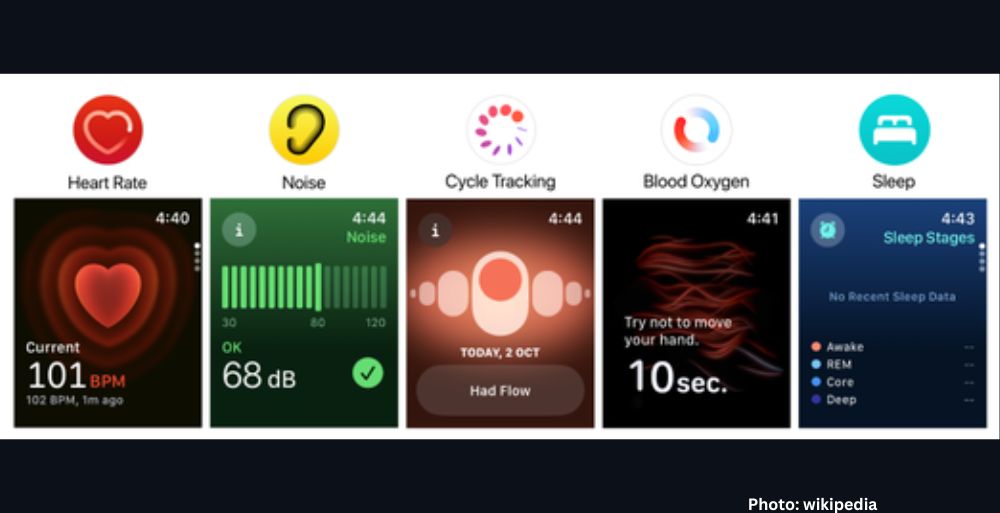
Apple has unveiled significant updates to its Health app, introducing features aimed at providing personalized fitness insights, including a Readiness Score, a Health Age metric, and a Longevity tab designed to enhance user well-being.
Apple Inc. has announced a series of substantial updates to its Health app, which will be available on both iPhone and Apple Watch platforms. These new features are designed to enhance users’ ability to monitor and improve their fitness and overall well-being. Key additions include a Readiness Score, a Health Age metric, and a dedicated Longevity tab, all of which are powered by the company’s advanced artificial intelligence technology.
Overview of New Features
The Readiness Score feature aims to assess users’ preparedness for physical activities by evaluating various health metrics collected through the app. According to Apple, this feature employs sophisticated algorithms to analyze data such as sleep quality, heart rate variability, and levels of physical activity. The intent is to provide users with actionable insights that can inform their fitness routines and daily activities.
In conjunction with the Readiness Score, the Health Age metric offers users a comparative analysis of their physiological age against their chronological age. This innovative feature considers multiple health indicators, including cardiovascular fitness, weight, and lifestyle choices. Through the Health Age metric, Apple aspires to motivate users to adopt healthier habits and improve their overall wellness.
Longevity Tab Focus
The newly introduced Longevity tab emphasizes long-term health and lifestyle choices that could contribute to a prolonged lifespan. This section of the app will provide users with resources and practical advice on nutrition, exercise, and mental well-being, underscoring the significance of comprehensive health management in achieving better health outcomes.
Technological Integration and Personalization
All three features leverage Apple’s cutting-edge artificial intelligence systems, which analyze user data to deliver tailored health insights. This move aligns with a broader industry trend towards utilizing machine learning to enhance user experiences across various tech products. Apple’s ongoing commitment to health technology is evident in these updates, positioning the company as a contender in the growing health and wellness sector.
Market Context and Implications
The introduction of these innovative features arrives at a pivotal moment for the health tech market, which is experiencing rapid expansion driven by rising consumer interest in personal health management. According to industry forecasts, the global health and wellness market is projected to reach $6 trillion by 2025, propelled by advancements in wearable technology and mobile health applications. With these enhancements to its Health app, Apple is likely to bolster its competitive standing against rivals such as Fitbit and Samsung, who also offer advanced health tracking solutions.
The updates reflect a growing recognition of the critical role that personalized health data plays in preventive care and overall wellness strategies. By enabling users to track and evaluate individualized health metrics, Apple empowers users to take a proactive stance on their health, potentially alleviating some pressure on healthcare systems.
Historical Context of Apple’s Health Initiatives
Apple’s foray into health technology began with the launch of the Health app in 2014, which aimed to centralize health-related data and provide users with a comprehensive overview of their fitness and medical information. Since then, the company has consistently introduced new features, including heart rate monitoring, fitness tracking, and more recently, mental health resources. These ongoing developments not only signify Apple’s strategic focus on health technology but also its intent to integrate health monitoring into the everyday lives of its users.
Furthermore, Apple’s health initiatives have been bolstered by its partnerships with healthcare providers and research institutions, which enhance the credibility and functionality of its health-related features. Notably, the Apple Watch has been recognized for its capabilities in health monitoring, including fall detection and ECG functionality, further establishing Apple as a leader in the health tech space.
Potential Challenges and Consumer Reception
While the advancements in the Apple Health app are anticipated to gain traction among users, there are potential challenges that could affect adoption. Concerns regarding data privacy and the accuracy of health metrics remain prevalent among consumers. Apple has emphasized its commitment to user privacy, stating that it does not sell health data to third parties. However, skepticism around data security in health applications continues to be a critical issue that may influence user trust and engagement.
Consumer reception of the new features will be closely monitored as users begin to interact with the updated app. Early feedback from beta testers and initial users will provide valuable insights into the effectiveness and usability of the new features. Additionally, the competitive landscape will likely shape how Apple continues to evolve its offerings in health technology.
Conclusion
As Apple makes significant strides in the health tech sector, the latest updates to the Health app represent a meaningful advancement in providing users with tools to better understand and manage their health. By fostering a focus on personalized insights and promoting healthier lifestyle choices, Apple strengthens its commitment to enhancing user well-being through technology. The rollout of these features will be of great interest to industry analysts, healthcare professionals, and consumers alike, as they signify a transformative moment at the intersection of technology and health.





No Comment! Be the first one.