




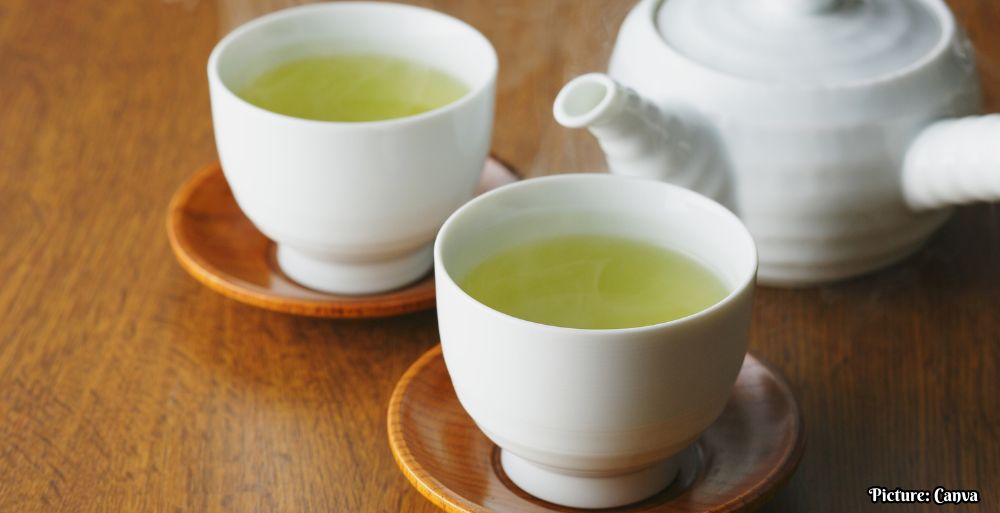
While green tea is widely recognized for its antioxidant properties, a variety of other beverages—such as coffee, berry juice, hibiscus tea, pomegranate juice, and hot cocoa—also offer significant antioxidant benefits. Experts emphasize the importance of a diverse diet for optimal health.
In the ongoing discourse surrounding health and nutrition, green tea has established itself as a potent source of antioxidants, particularly due to its content of epigallocatechin gallate (EGCG), a catechin linked to potential anti-inflammatory and other beneficial health effects. However, nutritionists and health experts are increasingly highlighting that green tea is not the only beverage rich in antioxidants. Recent discussions with registered dietitians reveal five additional drinks that may provide even greater antioxidant properties than green tea, along with dietary strategies aimed at enhancing overall antioxidant intake.
Coffee: An Underappreciated Antioxidant Source
Karen E. Todd, a registered dietitian, emphasizes that coffee is often underestimated as a source of antioxidants. This commonly consumed beverage contains considerable amounts of chlorogenic acids and other polyphenols, which are compounds known for their antioxidant activity. Research suggests that these antioxidants may play a crucial role in mitigating oxidative stress, a condition that arises when there is an imbalance between free radicals and the body’s capacity to neutralize them. Todd notes that regular coffee consumption can significantly contribute to the average person’s overall antioxidant intake, making it a vital part of many diets.
Berry Juice: The Power of Antioxidants in Color
Berries are particularly noted for their high levels of anthocyanins, the antioxidant compounds responsible for their vibrant red, purple, and blue colors. These compounds have been studied extensively for their potential health benefits, particularly in relation to cardiovascular and metabolic health. According to Todd, minimally processed juices made from berries—such as acai, maqui, and wild blueberries—are excellent sources of these antioxidants. She advises choosing low- or no-added-sugar options to maximize the health benefits while minimizing unnecessary calories.
Hibiscus Tea: A Colorful Antioxidant Alternative
Hibiscus tea, derived from steeping the dried outer leaves of the hibiscus plant, has gained popularity not only for its unique flavor but also for its rich antioxidant content. The deep red hue of the brewed tea signals its high levels of polyphenols and other beneficial compounds. Research indicates that hibiscus tea may have potential effects on cardiovascular health, including its ability to lower blood pressure and reduce the oxidation of LDL cholesterol, often referred to as “bad” cholesterol. Its rich antioxidant profile makes it a worthy addition to a health-conscious diet.
Pomegranate Juice: A Popular Health Beverage
Pomegranate juice has surged in popularity as a health drink, supported by research that highlights its significant antioxidant properties. The compounds found in pomegranate juice are effective in neutralizing free radicals, thereby mitigating oxidative stress that can lead to cellular damage and chronic diseases. This beverage is increasingly recognized for its potential role in promoting overall health, making it an appealing option for those looking to enhance their antioxidant intake.
Hot Cocoa: A Delicious Source of Flavanols
For those who enjoy a sweeter option, hot cocoa offers a delightful way to incorporate antioxidants into one’s diet. Todd mentions that cocoa is rich in flavanols, which are plant compounds that have been linked to cardiovascular health benefits. To reap the maximum benefits from hot cocoa, it is advisable to opt for unsweetened cocoa powder or high-quality dark chocolate products while controlling the amount of added sugar.
Enhancing Antioxidant Intake: A Comprehensive Approach
While regularly consuming these antioxidant-rich beverages can enhance health, nutrition experts stress the importance of a holistic approach to dietary intake. Todd encourages individuals to pursue a diverse diet that includes a wide variety of foods to ensure a broad spectrum of antioxidants. For example, one might begin the day with a cup of coffee or tea, enjoy berries at breakfast, include colorful vegetables and legumes in lunch and dinner, and indulge in a small portion of dark chocolate as an occasional dessert. This strategy can significantly boost antioxidant intake and help combat oxidative stress in the body.
Jeffrey Bland, Ph.D., further supports this approach by identifying various foods rich in antioxidants, including citrus fruits, carrots, spinach, kale, watercress, and parsley. He notes that seeds and grains from challenging environments, such as buckwheat, amaranth, millet, and quinoa, also exhibit remarkable antioxidant properties, with tartary buckwheat often cited as the highest in overall antioxidant levels.
The Expert Consensus on Antioxidant Diversity
In conclusion, while green tea remains a staple in the antioxidant category, a variety of other beverages—including coffee, berry juice, hibiscus tea, pomegranate juice, and pure hot cocoa—also provide significant health benefits. Nutrition experts advocate for a diverse intake of fruits, vegetables, whole grains, legumes, nuts, and seeds to ensure a comprehensive array of beneficial plant compounds. This diversified diet ultimately supports overall health and wellness, offering a multitude of ways to combat oxidative stress and promote longevity.



No Comment! Be the first one.