





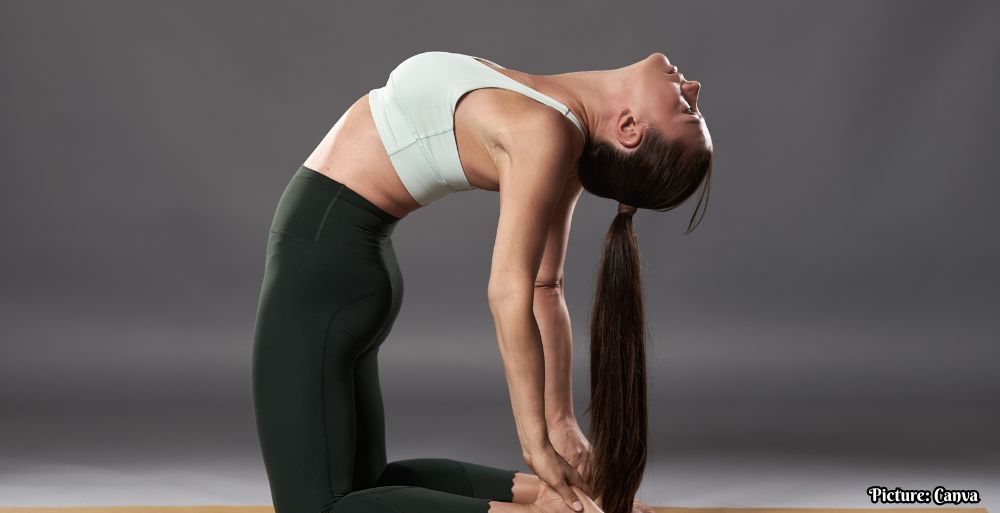
Bloating can often leave individuals feeling uncomfortable and heavy, but yoga provides a gentle approach to alleviate these symptoms through specific poses and movements.
Bloating is a common condition that can cause discomfort in the abdomen, often presenting as a feeling of fullness or tightness. It can result from various factors, including the buildup of gas, constipation, food intolerances, and even stress. While many individuals experience bloating occasionally, the discomfort can significantly affect daily life and overall well-being. Yoga offers a gentle and effective method to encourage movement within the digestive system, potentially alleviating some of the discomfort associated with bloating.
Understanding Bloating and Its Causes
Bloating typically occurs when gas builds up in the digestive tract or when the abdomen feels unusually full. Several factors can contribute to bloating, including swallowing air, consuming certain carbohydrates that produce gas during digestion, and conditions such as irritable bowel syndrome (IBS). Additionally, emotional factors like stress can exacerbate bloating symptoms, making it essential to address both physical and mental well-being.
Yoga, by promoting gentle movement and relaxation, may help ease these symptoms. Certain yoga poses are designed to create mild abdominal pressure, encourage spinal movement, and facilitate relaxation, which can contribute to reducing the discomfort associated with bloating.
How Yoga Can Help with Bloating and Gas
Yoga may alleviate bloating through a combination of gentle movements, abdominal compression, and slower breathing techniques. While yoga does not directly treat the underlying causes of bloating, it can help facilitate the movement of trapped gas and reduce the tension that often accompanies bloating. The autonomic nervous system, which plays a significant role in digestion, can be positively influenced by mindful breathing and gentle stretching, promoting a state of relaxation that may help ease discomfort.
Key yoga techniques for relieving bloating include:
- Compression Poses: These poses bring the thighs toward the abdomen, creating gentle pressure that may aid in the movement of trapped gas.
- Twists: Twisting poses can encourage movement through the torso, potentially alleviating feelings of tightness.
- Grounding Poses: These poses are designed to reduce physical tension and promote slower, steadier breathing.
- Gentle Spinal Movement: Engaging in gentle spinal movements can help mobilize the torso without placing excessive pressure on an uncomfortable abdomen.
While the relief provided by yoga is generally temporary, it can significantly improve the manageability of mild gas and bloating.
Eight Recommended Yoga Poses for Bloating Relief
Here are eight beginner-friendly yoga poses that may help relieve bloating:
- Wind-Relieving Pose (Pawanmuktasana): This pose helps bring gentle pressure to the abdomen. To perform, lie on your back with both legs extended. Draw one knee toward your chest, hold it for several breaths, then switch sides.
- Child’s Pose (Balasana): This pose creates a mild fold in the abdomen. Kneel, sit back toward your heels, and fold forward, resting your forehead on the mat.
- Cat-Cow Pose (Marjaryasana-Bitilasana): This sequence gently moves the spine and abdomen. Begin on hands and knees, alternate between lifting your chest and rounding your spine.
- Seated Forward Fold (Paschimottanasana): This pose creates light abdominal pressure. Sit with legs extended, hinge forward gently, and rest your hands on your legs.
- Supine Spinal Twist (Supta Matsyendrasana): This pose gently rotates the torso. Lie on your back, bring your knees toward your chest, and lower them to one side.
- Happy Baby Pose (Ananda Balasana): This pose opens the hips. Lie on your back, bend your knees, and hold your feet while bringing your knees wide.
- Knees-to-Chest Pose (Apanasana): This simple pose can be practised whenever the stomach feels tight. Draw both knees toward your chest and hold.
- Legs-Up-the-Wall Pose (Viparita Karani): This pose allows for relaxation without direct abdominal compression. Sit beside a wall, lie back, and extend your legs upward.
When incorporating these poses, it is advisable to move slowly and avoid forcing any positions, especially if discomfort increases. The sequence can be practised at different times depending on when bloating occurs, such as first thing in the morning or after meals.
Conclusion
Yoga can provide a simple and effective way to manage mild bloating and gas, especially when these issues are linked to tension or inactivity. Poses like Wind-Relieving Pose and Cat-Cow can help facilitate movement in the abdomen without undue strain. However, it is essential to recognize that while yoga can aid in temporary relief, persistent or severe bloating may warrant a consultation with a healthcare professional to explore underlying causes.





No Comment! Be the first one.