





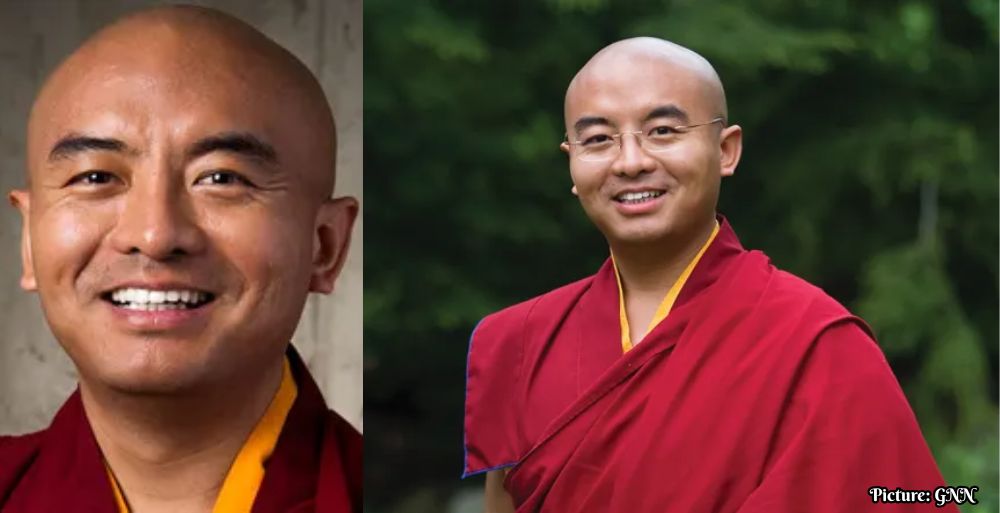
Yongey Mingyur Rinpoche, a renowned Buddhist monk, shares practical insights on achieving happiness through mindfulness, acceptance of change, and gratitude.
Yongey Mingyur Rinpoche, a prominent Tibetan Buddhist monk, has garnered attention for his remarkable levels of happiness, which have been scientifically observed through brain scans indicating heightened neural activity in areas associated with positive emotions. At 41, studies suggested that his brain activity resembled that of someone 8 years younger, a testament to his unique approach to life and well-being.
In a recent discussion, Mingyur shared his perspectives on happiness and mindfulness, emphasizing the importance of embracing both small changes and profound transformations in daily life. He argues that happiness can indeed be cultivated, and he offers several strategies to assist individuals in navigating their emotional landscapes.
Less Convenience, More Contentment
Mingyur reflects on modern society’s tendency to seek instant gratification through technology and other distractions. He cites the Dalai Lama’s observation that, with so much available at our fingertips, feelings of loneliness or boredom often lead us to rely on superficial comforts. “The really important thing is to sit with them, embrace them as a path to explore,” he suggests. He encourages individuals to recognize that the urge to seek constant stimulation may detract from genuine contentment. By practicing mindfulness and self-reflection, one can uncover deeper layers of satisfaction.
Embracing Change
In a personal narrative, Mingyur recounts his decision in 2011 to leave his monastery and live as a homeless yogi, a decision that led to significant challenges, including a severe illness. He views this experience as a critical moment in his journey towards understanding the Buddhist principle of relinquishing control. He asserts that such transformative experiences do not necessarily require drastic measures; even small changes in routine can foster a sense of adventure and growth. “Every time you feel like you’ve spent a day just going through the motions, try implementing one small change,” he advises.
Finding Peace Amidst Noise
Mingyur also addresses common misconceptions about meditation, particularly the belief that one must find silence to achieve calm. He shares his initial struggles with meditation, where he felt frustrated by the monotony of focusing on his breath. “You can make everything support for meditation – you can meditate anytime, anywhere, with anything,” he states. He encourages individuals to use varying environmental stimuli as tools for meditation, suggesting a gradual approach to acclimatizing oneself to distractions.
The Three Pillars of Tibetan Buddhism
Mingyur introduces the concept of the ‘three pillars’ of Tibetan Buddhism: view, meditation, and application. He emphasizes the importance of cultivating a positive mindset and recognizing the inherent qualities of awareness, love, compassion, and wisdom within everyone. Through daily practice, individuals can shift their perceptions and habits, appreciating the positives even in challenging relationships, which he describes as a transformative habit.
Specific Gratitude
Despite the clichéd nature of gratitude lists, Mingyur suggests a nuanced approach. He advocates for specificity in recognizing the small joys of life, such as having sensory experiences or the company of friends. “When you begin to appreciate these things, you start to appreciate the quality of your life,” he explains. This practice does not necessitate formal journaling; rather, it involves being present and recognizing the beauty in everyday moments.
Acknowledge Inner Turmoil
Reflecting on his personal experiences with panic attacks, Mingyur offers insights into managing emotional distress. He encourages individuals to accept and acknowledge feelings of anxiety rather than fighting them. “A storm cloud can’t change the nature of the sky – it comes and then it goes,” he explains, emphasizing the importance of understanding that inner turmoil is temporary and does not alter one’s fundamental state of being.
The Path to Lasting Happiness
Mingyur asserts that genuine happiness stems from letting go of feelings of incompleteness. He cautions against the pursuit of happiness through external means, such as wealth or status, suggesting instead that true contentment arises through practices of love and compassion. He encourages individuals to cultivate a sense of inner peace through mindful breathing and compassionate thoughts towards oneself and others.
Transforming Anger
In discussing emotional regulation, Mingyur likens awareness to sunlight, with emotional patterns like frost on grass that melts away under its warmth. He advises that when faced with anger, individuals should simply acknowledge the feeling without immediate reaction. “Once you catch it, you have a choice; it can transform,” he states, highlighting the potential for mindfulness to alter emotional responses and improve interpersonal relationships.
The Power of Helping Others
Finally, Mingyur emphasizes the profound happiness derived from altruism. He posits that helping others can elicit a deeper sense of fulfillment than transient pleasures. “If you can really help others, you feel a different level of happiness,” he notes, reminding individuals to remain engaged with their communities and support those in need.
In summary, Yongey Mingyur Rinpoche presents a multifaceted approach to happiness that intertwines mindfulness, acceptance, and active engagement with life’s challenges. His insights continue to resonate, encouraging individuals to explore their emotional landscapes and cultivate a deeper sense of fulfillment.




No Comment! Be the first one.