





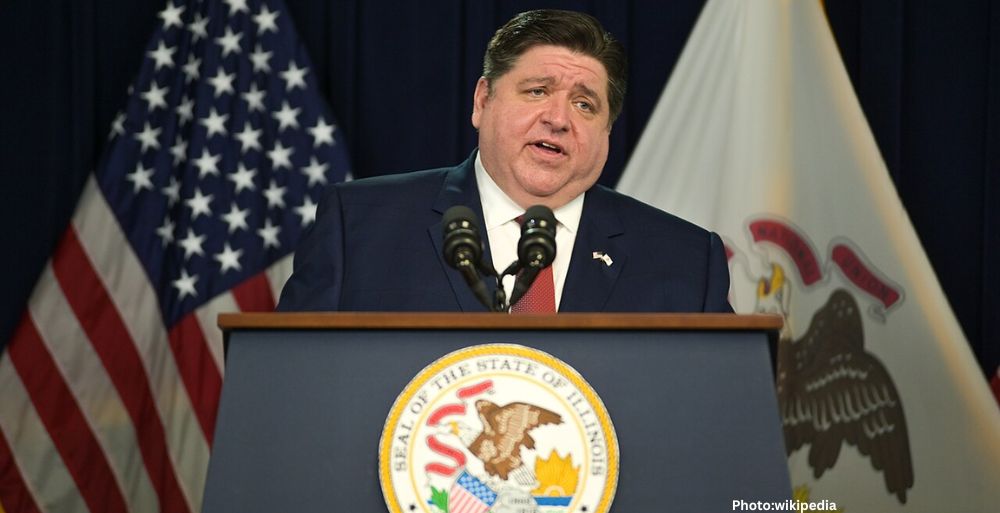
A landmark bill expanding abortion rights in Illinois has been signed into law by Governor J.B. Pritzker, reinforcing the state’s commitment to reproductive health amid national debates.
SPRINGFIELD, IL — On Friday, Governor J.B. Pritzker signed into law a significant measure that expands access to abortion services in Illinois, marking a pivotal moment in the ongoing national discourse surrounding reproductive rights. This legislation comes at a time when various states across the country are enacting restrictive abortion laws, prompting concerns about women’s health and autonomy.
The new law, which takes effect immediately, aims to bolster the protections surrounding abortion access in Illinois. It codifies abortion rights into state law and mitigates potential limitations that could arise from future federal rulings. Specifically, the legislation allows for the provision of abortion services without mandated waiting periods, a requirement that some critics argue can create unnecessary barriers for individuals seeking care.
According to the Guttmacher Institute, a research organization that advocates for reproductive health rights, Illinois has historically been a leader in maintaining access to abortion services. The state has seen a substantial increase in patients traveling from neighboring states, particularly after the Supreme Court’s decision in June 2022 to overturn Roe v. Wade. Data indicates that the number of out-of-state patients seeking abortions in Illinois increased by 50% in the months following the Supreme Court ruling, highlighting the state’s role as a critical access point for reproductive healthcare in the Midwest.
Legislative Support and Opposition
The legislation received broad support from Democratic lawmakers, with Governor Pritzker asserting, “This law sends a clear message that Illinois is a place where women can make their own healthcare decisions.” He emphasized the importance of safeguarding reproductive rights, particularly in light of the shifting legal landscape across the nation. The law’s passage was celebrated by various advocacy groups, including Planned Parenthood and the ACLU, which view it as a vital step towards ensuring reproductive autonomy.
However, the bill has faced significant opposition from conservative groups and Republican lawmakers who argue that such measures undermine parental rights and raise ethical concerns regarding abortion. State Representative Avery Bourne, a Republican, expressed her concerns during legislative debates, stating, “This law disregards the voices of parents and could potentially lead to more harm than good for vulnerable populations.” Critics assert that the lack of waiting periods may pressure individuals into making hasty decisions regarding their reproductive health.
Despite these criticisms, proponents of the law argue that it is a necessary step to ensure that individuals have the autonomy to make choices regarding their reproductive health without governmental interference. The legislation includes comprehensive support for sexual education and access to reproductive health services, aiming to empower individuals with information and resources.
Broader Implications of the Legislation
The passage of this legislation in Illinois reflects a broader trend among several states actively pursuing policies to protect or expand reproductive rights in the wake of federal changes. As states like Texas and Alabama move toward more restrictive abortion laws, Illinois has positioned itself as a sanctuary for those seeking reproductive healthcare services. This positioning can be traced back to Illinois’ historical commitment to reproductive rights, which has been reinforced by recent legal challenges at the federal level.
Legal experts suggest that Illinois’s decision to strengthen abortion rights could inspire similar legislative efforts in other progressive states, potentially leading to a wave of reforms. This development raises questions about the potential for a patchwork of reproductive health laws across the United States, where access to abortion could drastically vary depending on state governance. In this context, Illinois stands out as a model for states seeking to enhance reproductive health rights amidst a national climate of division.
Additionally, the law addresses not only access to abortion but also provisions that support comprehensive sexual education and increased funding for reproductive health services. Advocates assert that these measures are vital in ensuring that individuals are informed about their choices and have access to necessary healthcare resources, reinforcing the idea that informed decision-making is crucial in reproductive health.
Looking Ahead: The Future of Reproductive Rights in Illinois and Beyond
As Illinois implements this new law, the political landscape surrounding reproductive rights is expected to evolve further. The ongoing national conversation about abortion is likely to intensify, especially as other states observe Illinois’s approach. With continued advocacy efforts and potential legal challenges on the horizon, the implications of this legislation will be closely monitored not only within Illinois but also across the nation.
The law’s passage is seen as a significant development for reproductive rights advocates, who view it as a victory in the ongoing struggle for autonomy over personal health decisions. As the political climate continues to shift, the future of reproductive rights remains a critical issue for many Americans, with Illinois at the forefront of this evolving landscape.
In conclusion, Illinois’s new abortion rights legislation underscores the state’s commitment to reproductive health and autonomy, highlighting the broader trends and implications of this legal shift. As discussions on reproductive rights continue to unfold, the importance of access to healthcare and informed decision-making will remain at the forefront of this crucial national dialogue.




No Comment! Be the first one.