





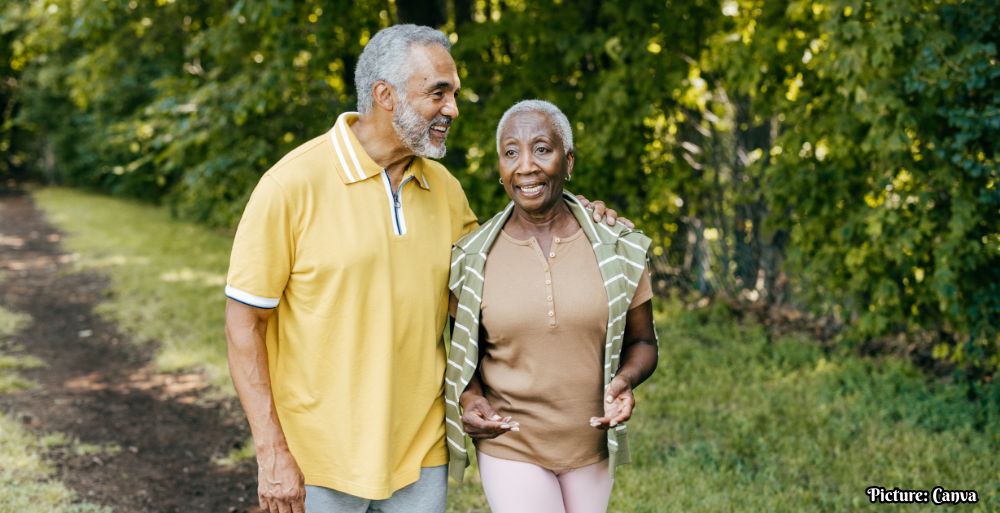
Recent studies reveal that international travel significantly enhances cognitive function and reduces feelings of depression and loneliness among older adults, suggesting that travel should be prioritized in later life.
A pair of recent studies have shed light on the substantial benefits of travel for individuals aged 51 and older, emphasizing its positive impacts on cognitive function, mental health, and even mortality risk. The findings suggest that travel is not merely a leisure activity but a vital component of healthy aging.
The first study, conducted by researchers Shu Cole, Chenggang Hua, Siyun Peng, and Weixuan Wang, was published in the International Journal of Environmental Research and Public Health in 2024. The researchers analyzed data from a nationally representative U.S. sample of 7,037 adults aged 51 and older, sourced from the Health and Retirement Study. They compared the cognitive and emotional well-being of non-travelers with those who engaged in various levels of travel: local day trips, domestic travel, and international travel. After controlling for variables such as age, sex, race, education, marital status, wealth, and health limitations, the results indicated a clear trend: cognitive function scores improved with the extent of travel.
Specifically, the study noted that cognitive function scores increased alongside the scale of travel, with international travelers exhibiting the most significant enhancements in cognitive abilities. Additionally, mental health outcomes correlated positively with travel; depressive symptoms and feelings of loneliness markedly decreased as the distance and effort of travel increased. Average depression scores fell from 2.53 among non-travelers to just 0.87 among international travelers, while loneliness scores decreased from 1.76 to 1.36. These findings are particularly relevant given that over 40 percent of adults aged 60 and older report experiencing feelings of loneliness.
Travel’s Impact on Longevity
The second study, conducted by Guanghui Qiao, Liu Ding, Keheng Xiang, Bruce Prideaux, and Jinyi Xu, further explored the implications of travel on health outcomes. Published in the same journal in 2022, this research utilized data from China’s Longitudinal Healthy Longevity Survey, which spans over a decade. The researchers examined mortality risk among seniors who had traveled in the two years preceding the survey compared to those who had not. The results revealed that seniors who traveled had a 36.6 percent lower risk of dying over the subsequent decade compared to their non-traveling counterparts. Notably, each additional trip taken corresponded to a further reduction in mortality risk, estimated at roughly 13.6 percent per trip.
The consistency of these findings was supported by analyses across multiple cohorts, demonstrating a similar reduction in mortality risk in both an eight-year and a four-year cohort. Follow-up interviews conducted alongside the survival analysis indicated that travel fosters a sense of belonging, social connection, and self-enrichment—all of which contribute to healthier aging.
Reassessing the Value of Travel
Taken together, these two studies present a compelling case for re-evaluating the perception of travel in later life. Rather than viewing travel as a luxury or an optional activity, the evidence suggests it should be considered an essential investment in one’s mental and physical health. The research conducted by Cole and colleagues highlights the tangible cognitive and emotional benefits associated with travel, which are pronounced with the ambition of the trip. The further and more involved the travel, the more significant the positive effects on memory, mood, and social connection.
Meanwhile, Qiao and colleagues’ study underscores the critical link between travel and longevity, indicating that each trip taken may contribute to a longer, healthier life. The findings collectively suggest that travel in one’s sixties and beyond should not be seen merely as an indulgence but as a strategic choice that can yield substantial returns for both mental acuity and overall life expectancy.
It is also important to acknowledge the limitations of these studies. The research conducted by Cole and colleagues is cross-sectional, capturing a single moment in time. While strong associations were observed, it cannot definitively establish causation—that is, whether healthier, more socially active individuals are simply more inclined to travel. Additionally, the findings from Qiao and colleagues were derived from a Chinese demographic, which may limit the extent to which conclusions can be generalized across different cultural contexts regarding travel and aging.
Despite these limitations, the evidence presented encourages individuals to consider the benefits of travel rather than postponing it indefinitely. The findings suggest that even modest, local trips can provide benefits, and that increased travel correlates with enhanced cognitive function, improved mood, and potentially extended longevity.






No Comment! Be the first one.