




Running on Estrogen Fumes
The Meno-logues:
Nobody warned me menopause would completely renegotiate my relationship with exercise.
At 42, I believed fitness meant high functioning routine. Long runs. No pain no gain. Aggressive cardio.
Back then I could sleep four hours, eat half a banana, run 12 kilometres, and still emotionally recover from family get-together same evening.
Now? One slightly ambitious workout and my body files a formal complaint with Human Resources.
Menopause is humbling because suddenly all your old fitness knowledge stops working like expired software.
The same workout that once made you feel “strong and powerful” now leaves you, inflamed, exhausted, starving, emotionally unstable, and googling, “Can cortisol legally ruin your life?”
I realised something was deeply wrong the day I completed a long run and instead of feeling triumphant, I came home furious, at ceiling fans. Not people. Fans.
And this is where menopause becomes deeply offensive. Because many women are doing everything “correctly”, exercising harder, eating less, sleeping poorly, pushing through exhaustion, and somehow gaining abdominal fat while their knees start sounding like microwave popcorn.
Which, scientifically speaking, is not your imagination.
Research now shows declining estrogen affects muscle recovery, inflammation, insulin sensitivity, bone density, tendon elasticity, sleep quality, and stress response. Muscle mass naturally declines faster during menopause, while cortisol becomes dramatically more sensitive to overtraining, poor sleep, and stress.
Meaning: the body that once responded beautifully to punishment now responds better to support.
Honestly? Rude.
Nobody tells women this. Instead we continue trying to exercise like our 28-year-old selves while our hormones stand in the corner whispering: “Absolutely not.”
I remember trying one of my old HIIT workouts recently. Ten minutes in, my knees sounded haunted.
By minute twenty, I was lying on the floor bargaining with God and electrolytes.
At one point I pulled a muscle removing a sports bra. Which frankly feels like a targeted attack.
The biggest shift I had to make was understanding this: Menopause fitness is no longer about shrinking yourself. It is about protecting your future self.
Bone health. Muscle. Balance. Metabolism. Joint stability. Nervous-system recovery.
This is no longer bikini fitness. This is “I would like to sit on the toilet independently at 82” fitness.
And once I accepted that, everything changed. I stopped chasing exhaustion and started chasing resilience.
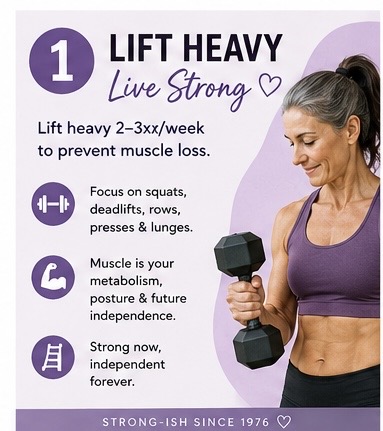
Research now strongly suggests strength training during menopause is one of the most effective ways to protect bone density, preserve muscle, improve insulin sensitivity, support metabolism, and reduce risk of falls later in life.
Translation: lift weights, Girlies!
Not because we are trying to become Marvel characters. But because carrying groceries should not feel like an upper-body betrayal.
So now I strength train 2–3 times a week. Nothing dramatic. No motivational screaming. Just controlled movement, slower recovery, and deep respect for my hamstrings.
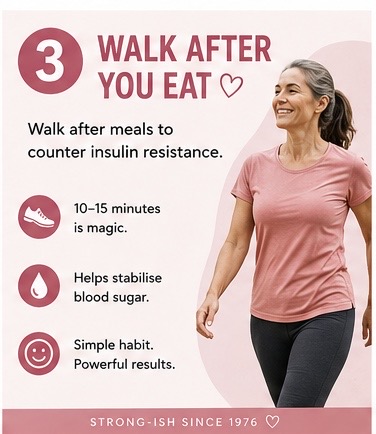
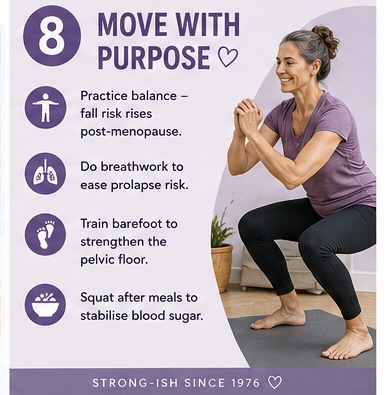
I also learned walking after meals helps blood sugar regulation significantly during menopause.
Which means my glamorous new fitness routine now includes, walking around the dining table after dinner like a woman trying to contact satellites.
But honestly? It works.
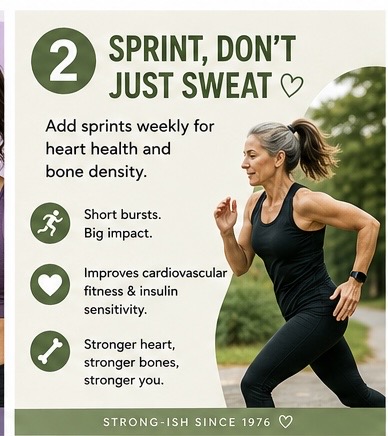
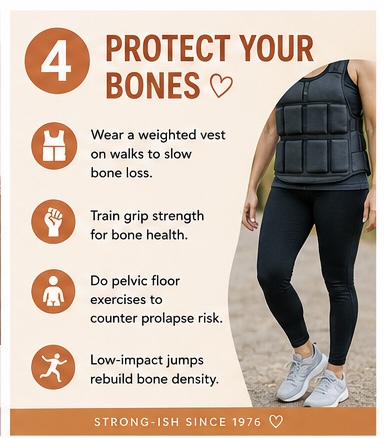
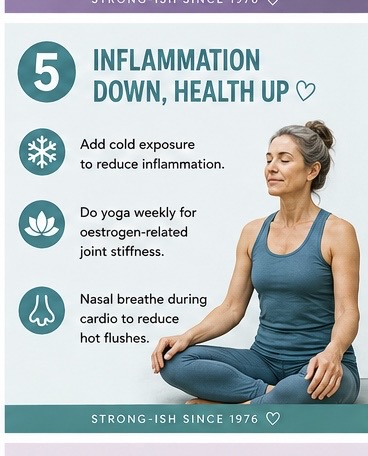
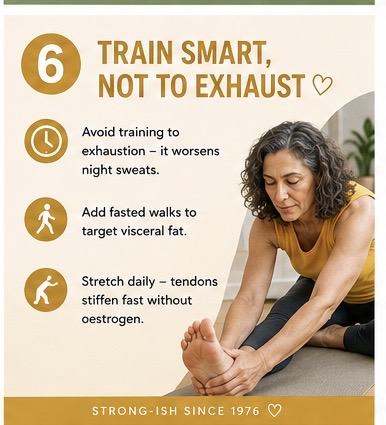
I added, sprint intervals once a week for heart health, yoga for joint stiffness, balance training because apparently falling becomes a real concern now, grip-strength work, pelvic-floor exercises, and daily stretching because tendons tighten faster without estrogen support. Then, if nothing gets scheduled then 8,000 to 10,000 steps.
There is nothing quite like reaching menopause and suddenly becoming emotionally invested in hip mobility.
I also discovered recovery matters more than intensity now.
This was devastating news for my former over-achiever personality. Because apparently, sleeping counts, rest days matter, and exercising until you collapse is not “discipline.”
It is hormonal vandalism.
I now train with more rest between sets because menopause can reduce recovery capacity and affect heart-rate variability.
Which means if younger women bounce back like Labradors, menopausal women recover more like government paperwork.
Slowly. With confusion. And occasional inflammation.
Another unexpected discovery? Heavy exercise late at night worsened my sleep and hot flushes.
So now I stop trying to become an Olympic athlete at 8:45 pm.
We stretch peacefully now. Like responsible citizens.
And can we discuss pelvic floors?
Because nobody prepares women for how menopause suddenly turns sneezing into a trust exercise.
I started pelvic-floor work and breathwork not because I am enlightened, but because I enjoy basic dignity.
Also: who knew nasal breathing during cardio could actually reduce overheating and improve endurance?
Certainly not me during my previous “gasping dramatically on treadmills” era.
Another thing I changed: consistency over intensity.
This one hurt spiritually. Because I come from the generation of women who believed suffering counted as fitness.
Now I understand: gentle consistency changes the body faster than occasional self-destruction.
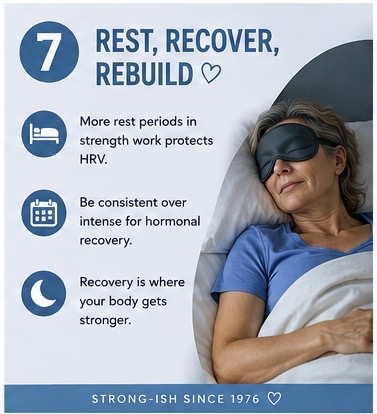
So my weekly routine now looks something like this: 3 strength sessions, daily walks, mobility work most evenings, yoga once or twice weekly, one sprint or interval session, balance and core work, stretching while watching crime documentaries, occasional squats after meals because apparently this is who I am now.
And surprisingly? I feel stronger than I did than the last two years of perimenopause.
Not lighter. Not smaller.
Stronger. More stable. Better recovered. Less inflamed. Less angry at furniture.
Menopause doesn’t arrive like a revelation. It arrives like a slow audit of everything you thought was “normal”: sleep, recovery, mood, motivation, your relationship with your own body. And suddenly the old fitness story, the one about shrinking, pushing, overriding, starts to feel less like discipline and more like noise.
That’s the first shift. Not dramatic. Just a quiet recognition that the body you’ve been treating like a problem to solve is actually the place you have to live in for the rest of your life.
And once that thought lands, the questions change.
Not: How do I get smaller?
But: What keeps me steady? What keeps me moving without borrowing from tomorrow’s energy? What lets me wake up without negotiating with pain?
This is where the real adjustment begins. Less punishment disguised as productivity. More consistency that doesn’t collapse you two days later. Strength training that respects recovery. Walking that clears stress instead of collecting it. Food that stabilises rather than swings you around.
Nothing dramatic. But deeply different.
Because the practical truth of midlife fitness is almost boring: the body responds better to what it can repeat than what it can survive.
So the shift looks like this, workouts that leave you slightly stronger, not spiritually destroyed, movement that supports joints instead of “proving” anything, rest that is scheduled, not earned, caffeine used like a tool, not a personality, and the slow retirement of guilt as a fitness strategy.
And if you need something small to hold onto in the middle of all this, let it be this:
If it exhausts you for days, it’s not a system, it’s a debt.
If it improves your sleep, it’s probably working.
If it makes you dread tomorrow, it’s too expensive for your current life.
The ending of this story isn’t decline. It’s recalibration.
And yes, there is something almost subversively powerful about it. Not the loud, aggressive kind of power we were sold in our twenties. But the quieter one: the ability to stay in your body without fighting it every day.
That’s the real win in midlife fitness.
Not smaller. Not harder. Just Strong-ish.
Just stable enough to carry you forward, strong, mobile, slightly amused at the old rules, and still very much in motion.
About the Author:
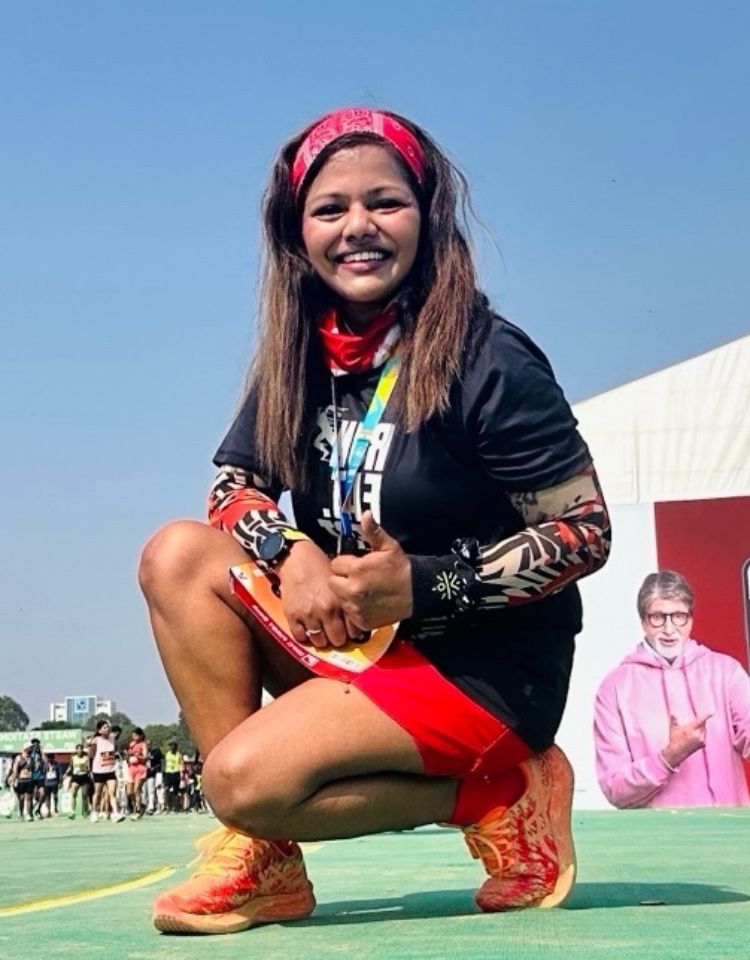
Ancy James is a health and wellness writer, certified functional fitness and nutrition coach, internationally trained cake artist, and former television producer based in Bengaluru. She holds certifications from AFAA, NASM, ACE, and TFA, bringing a unique blend of scientific knowledge, real-world experience, and practical wisdom to her work.
With more than 25 years of professional experience spanning media, leadership, storytelling, entrepreneurship, and wellness, Ancy spent 17 years with NDTV before stepping away from her media career to focus on raising her daughter and redefining life on her own terms. That journey of reinvention now informs much of her writing.
Her columns explore the realities of modern womanhood, including menopause, motherhood, resilience, identity, fitness, family life, and midlife transformation. Combining evidence-based research with lived experience as a mother, runner, caregiver, entrepreneur, and woman navigating midlife, she offers readers practical, relatable insights that go beyond trends and quick fixes.
Ancy is passionate about helping people build sustainable health habits that fit into real lives. Through her writing, she translates complex wellness concepts into actionable strategies that empower readers to improve their physical health, mental well-being, and overall quality of life. Her work focuses on habit formation, healthy ageing, stress management, resilience, and the often-overlooked mental load carried by modern women.
Beyond her writing, Ancy leads a growing pan-India wellness community through running groups, online accountability circles, and annual health challenges for the Indian Cake Artists community. Over the past five years itself the community has helped many individuals especially women and young adults, develop healthier lifestyles through consistency, community support, and her practical 21-day habit-building framework.
Known for her sharp observations, honest storytelling, self-deprecating humour, and evidence-based approach, Ancy writes for thoughtful readers seeking realistic solutions rather than perfection. Her mission is simple: to help people live stronger, healthier, and happier lives, one small habit at a time.
When she is not writing, you will find her running slowly and lifting heavy, creating towering gravity-defying cakes and intricate sugar flowers, interviewing fascinating people, or learning life lessons the hard way so her readers do not have to.


No Comment! Be the first one.