




Saffron-Derived Compound Crocin II Shows Potential in Treating Metabolic Associated Steatotic Liver Disease

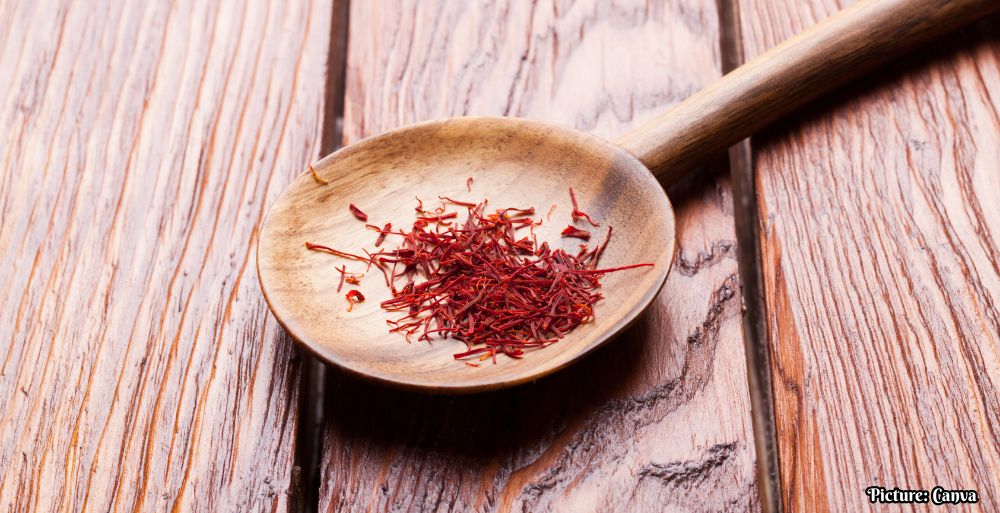
A recent study reveals Crocin II, a compound derived from saffron, as a potential therapeutic agent for Metabolic Associated Steatotic Liver Disease (MASLD), which currently affects over 25% of adults worldwide.
In a pivotal study published on April 3, 2026, in the journal Targetome, researchers from China Pharmaceutical University have identified Crocin II, a natural compound derived from saffron, as a promising candidate for the treatment of Metabolic Associated Steatotic Liver Disease (MASLD). This condition, which has emerged as a leading chronic liver disease globally, is linked to various metabolic disorders, affecting more than a quarter of the adult population.
MASLD is closely associated with obesity, dyslipidemia, type 2 diabetes, cardiovascular diseases, chronic kidney diseases, and liver cancer. According to the World Health Organization, the increasing incidence of obesity and its related complications necessitate urgent therapeutic interventions. However, the landscape of current treatments is fraught with challenges, including limited efficacy, safety concerns, and translational barriers that complicate drug development.
Understanding the Role of ANGPTL8
At the center of this research is ANGPTL8 (Angiopoietin-like 8), a protein that plays a significant role in lipid metabolism. ANGPTL8 has garnered attention as a key target in metabolic disease treatment due to its involvement in lipid regulation, inflammatory signaling, and the maintenance of hepatic metabolic homeostasis. Traditional therapeutic approaches targeting ANGPTL8, such as antisense oligonucleotides and monoclonal antibodies, have shown potential but are hindered by high costs, stability issues, and delivery challenges.
The urgent need for alternative therapeutic strategies has led researchers to explore small-molecule and natural compounds. The study led by Chang Liu, Wenxiang Zhang, and Siyu Chen utilized a saffron-derived small-molecule library, comprising 70 chemical monomers, to identify potential compounds that could effectively target ANGPTL8. Molecular docking studies highlighted two compounds, Crocin I and Crocin II, as candidates with strong predicted binding affinities. Notably, Crocin II emerged as the more potent candidate, prompting further investigation.
Mechanism of Action
The researchers confirmed the interaction between Crocin II and ANGPTL8 using various assays, including cellular thermal shift assays and drug affinity responsive target stability analyses. Surface plasmon resonance experiments demonstrated that Crocin II binds to ANGPTL8 with a higher affinity than Crocin I. Furthermore, molecular dynamics simulations revealed that the Crocin II-ANGPTL8 complex remained structurally stable over time, reinforcing the compound’s potential as a therapeutic agent.
In vitro studies conducted on mouse primary hepatocytes showed that Crocin II effectively reduced ANGPTL8 levels in a dose- and time-dependent manner without significant cellular toxicity. Protein stability tests indicated that Crocin II decreases the half-life of ANGPTL8, while pathway inhibition experiments suggested that this degradation primarily occurs through the autophagosome-lysosome system. Additional analyses, including increased levels of LC3B-II and decreased levels of P62, along with transmission electron microscopy, provided further evidence of the autophagic activation induced by Crocin II.
Impact on Lipid Accumulation
The functional implications of Crocin II were profound. The compound successfully reversed ANGPTL8-induced lipid accumulation by upregulating lipogenic genes, such as Fasn, Dgat1, and Cidea, while simultaneously downregulating lipolytic genes, including Atgl. Experiments utilizing Angptl8-deficient cells indicated that Crocin II exhibited minimal additional lipid-lowering effects, thereby confirming the essential role of ANGPTL8 in mediating the compound’s metabolic benefits. Conversely, in cells overexpressing ANGPTL8, the protective effects of Crocin II were diminished.
In vivo experiments conducted on mice subjected to a high-fat diet demonstrated significant metabolic benefits from Crocin II treatment. The compound not only reduced body weight gain but also improved glucose tolerance and insulin sensitivity. Additionally, serum levels of triglycerides, total cholesterol, and low-density lipoprotein (LDL) cholesterol were markedly lowered, alongside reduced liver injury markers. Histological assessments revealed less hepatic lipid deposition and macrophage infiltration, further corroborating the compound’s efficacy. The comprehensive lipidomic analysis suggested that Crocin II reshaped hepatic lipid metabolism by reducing various triglyceride, diglyceride, cholesteryl ester, and fatty acyl species.
Future Implications
The study’s findings suggest a promising safety profile for Crocin II, as no overt toxic effects were observed in the kidneys, heart, or spleen during animal trials. This favorable outcome positions Crocin II as a potential lead compound for future drug development targeting MASLD and reinforces the significance of ANGPTL8 as a therapeutic target in metabolic diseases. The implications of this research extend beyond the laboratory, highlighting the urgent need for effective treatment options for MASLD as its prevalence continues to rise globally.
The research was financially supported by several grants, including those from the National Key R&D Program of China, the National Natural Science Foundation of China, and the Natural Science Foundation of Jiangsu Province. As the burden of MASLD on public health escalates, the search for innovative and safe therapeutic strategies remains critical.





No Comment! Be the first one.