





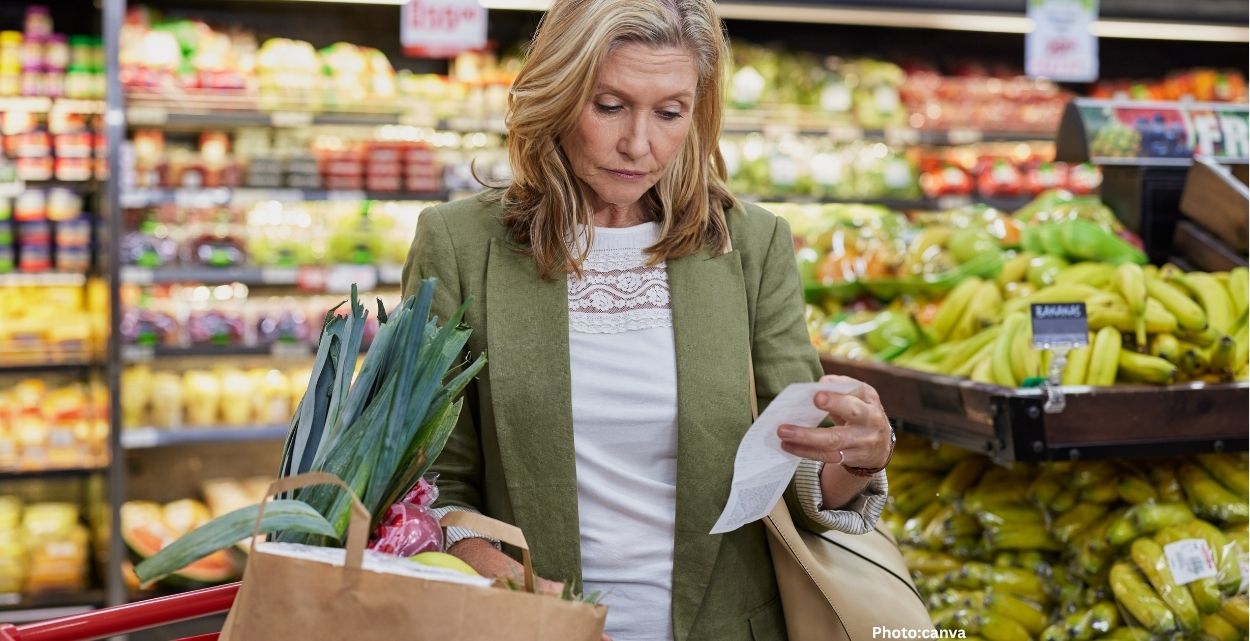
According to a recent Harris Poll conducted for the Guardian, 95% of Americans perceive an affordability crisis, with half reporting difficulties in affording groceries and gas as economic pessimism grows.
Ninety-five percent of Americans believe the United States is currently facing an affordability crisis, according to a new Harris Poll commissioned by the Guardian. The survey illustrates significant public concern regarding rising costs associated with essential goods, particularly groceries and fuel, amid ongoing geopolitical tensions and approaching midterm elections.
The poll, which was conducted in the wake of escalating gas prices linked to the conflict in Iran, indicates a marked decline in economic optimism. While a majority of respondents (57%) now view the economy as deteriorating, only 46% held that sentiment during a previous survey in February. Conversely, the proportion of individuals who believe the economy is improving has fallen to 16%, down from 28% earlier this year. This shift in perception reflects a growing anxiety over financial stability as inflation continues to impact household budgets.
Cross-Party Concerns
The affordability issues reported in the poll transcend partisan lines, with roughly half of Democrats, Republicans, and independents expressing difficulty in managing everyday expenses. Approximately two-thirds of Americans, including 49% of Republicans, conveyed skepticism about the government’s ability to mitigate the cost-of-living crisis. This widespread concern signals a potential shift in political dynamics as the midterm elections approach.
Historically, Republicans have maintained a more optimistic view of the economy during Donald Trump’s presidency. However, recent developments, particularly the conflict in Iran, appear to have dampened this outlook among Republican voters. In February, 49% of Republicans believed the economy was on an upward trajectory; this figure has now plummeted to just 27%. Meanwhile, the proportion of Republicans who perceive the economy as declining has increased to 38%, compared to 22% earlier in the year. Rural voters, who have traditionally been a stronghold for the Republican Party, are also exhibiting increasing pessimism, with 64% indicating that they believe the economy is worsening.
Job Opportunities and Economic Sentiment
The poll also highlights a concerning disconnect between public perception and official labor market statistics. Although the Bureau of Labor Statistics reported that the labor market remains robust, with an average of 111,000 new jobs created over the past three months, many Americans feel that viable job opportunities are dwindling. Rural respondents, in particular, noted a significant decline in good job prospects, with many attributing this decline to recent tariffs that have negatively impacted American manufacturing.
The ramifications of this economic sentiment could prove consequential for the Republican Party, which is striving to maintain its slim majority in Congress during the upcoming elections. In response to the affordability crisis, President Trump has adopted a dual approach, publicly downplaying the issue while simultaneously pressuring oil and gas companies to reduce prices. Despite a recent decrease in global oil prices following a peace agreement with Iran, domestic gas prices have not reflected similar declines.
Democratic Challenges
For Democrats, the poll results present their own set of challenges. The party has been actively working to persuade independent voters that it possesses solutions to the affordability crisis. Yet, among independents who acknowledge the crisis, a notable 54% feel that neither party offers a viable resolution. This sentiment could hinder Democratic efforts to sway undecided voters as they prepare for the midterms.
Additionally, the survey reveals that half of the respondents struggle with various forms of debt, including student loans. The financial burden of these debts has been exacerbated by stricter repayment plans introduced under the Trump administration. The intersection of rising living costs and increasing debt obligations underscores the complexities facing American families as they navigate an uncertain economic landscape.
Inflation and Wages
Rising inflation, which reached an annual rate of 4.2% in May, has effectively erased wage gains for many workers over the past year. With average hourly earnings declining by 0.7% compared to the previous year, the financial strain on households is amplified. As inflation continues to erode purchasing power, the challenges faced by Americans in affording basic necessities become increasingly acute.
As the midterm elections draw near, the implications of this new economic sentiment will likely play a critical role in shaping voter behavior and party strategies. Both parties will need to address the growing concerns surrounding affordability and economic stability to resonate with a populace that is increasingly frustrated with the current state of the economy.




No Comment! Be the first one.