





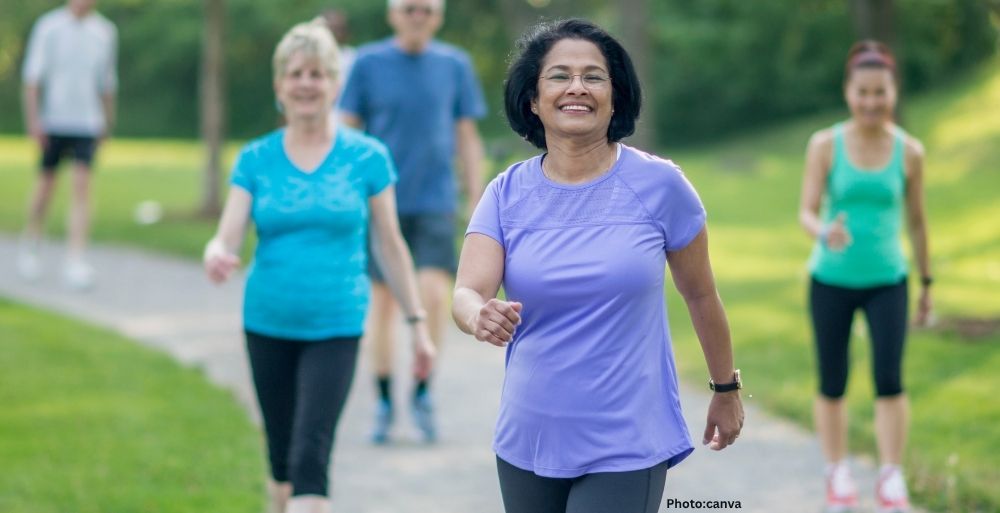
As personal fitness goals evolve, one individual has chosen to prioritize walking over traditional gym workouts, adapting to a busy lifestyle while aiming to maintain health and fitness.
In a notable shift in personal fitness approach, an individual has transitioned from a structured gym routine to prioritizing walking as a primary form of exercise. Over the past six months, this person has reduced their gym attendance from multiple sessions weekly, including weight lifting, Pilates, and yoga, to just one or two workouts. Concurrently, their daily walking goal has also diminished, dropping from an average of 8,000 steps per day to as low as 5,000.
This change reflects a broader trend where many individuals are reassessing their fitness routines in light of busy work and personal lives. The individual has acknowledged that their previous fitness goals were too ambitious, leading to feelings of being overwhelmed. In response, they are now aiming to work out two to three times a week while striving to achieve a daily step count between 8,000 and 10,000.
Context of the Shift
The adjustment in fitness goals is not uncommon among those balancing various commitments. The individual’s experience exemplifies how busy schedules can impact consistent exercise routines, prompting a reevaluation of what sustainable fitness looks like. The previous targets, while well-intentioned, often resulted in frustration, demonstrating the importance of setting achievable goals that can adapt to life’s demands.
Walking, as a form of physical activity, offers several advantages, particularly its accessibility. Unlike gym workouts, which often require scheduling, travel, and sometimes costly memberships, walking can be incorporated into daily routines with minimal preparation. This makes it an attractive option for those who may find structured exercise programs challenging to maintain.
Benefits of Walking
Experts in fitness have emphasized the numerous benefits of walking, particularly its role in calorie expenditure and promoting an active lifestyle. Personal trainer Liam Cavanagh underscores that walking can significantly contribute to daily calorie burn, particularly through a concept known as Non-Exercise Activity Thermogenesis (NEAT). NEAT encompasses the calories burned during everyday activities that are not classified as formal exercise, such as walking to run errands or performing household tasks.
Cavanagh explains that engaging in walking can lead to a higher calorie burn compared to structured exercise sessions. He states, “The more you can integrate NEAT activities into your day, the better, as it facilitates weight loss or prevents excess fat accumulation.” This perspective is backed by research showing that increasing non-exercise activity can positively impact weight management and overall health.
In practical terms, prioritizing walking allows individuals to move more throughout the day, which can be beneficial for those seeking to maintain or lose weight. The individual’s shift in focus to achieving a daily step goal of 8,000 to 10,000 steps aligns with expert recommendations, emphasizing that a more active lifestyle can result from simple changes in daily habits.
Balancing Walking and Strength Training
While walking presents a practical alternative to more intense gym workouts, fitness experts advocate for a balanced approach that incorporates both walking and strength training. According to Cavanagh, strength training is crucial for building muscle and enhancing overall physical health. It contributes significantly to energy levels and functional independence as individuals age.
Cavanagh suggests that beginners or those currently inactive should aim for at least one gym session per week to start building a strength training routine. This recommendation is designed to create an accessible entry point into the fitness world, allowing individuals to gradually integrate more structured exercise into their lives.
Moreover, the importance of safely increasing daily step counts cannot be overstated. Previous discussions with exercise physiologists have indicated that individuals should limit increases in their daily step target to no more than 5% each week, particularly for those who may have been less active. This gradual approach helps to avoid injury and promotes sustainable progress.
Conclusion
The pivot towards walking over traditional gym workouts illustrates a significant shift in fitness culture, emphasizing accessibility and personal relevance in exercise routines. By focusing on more attainable goals, individuals can cultivate sustainable fitness habits that align with their lifestyles while still promoting health and well-being. This case serves as an example of how personal experiences, combined with expert insights, can lead to a more adaptable and realistic approach to fitness, one that resonates with the realities of modern life.






No Comment! Be the first one.