





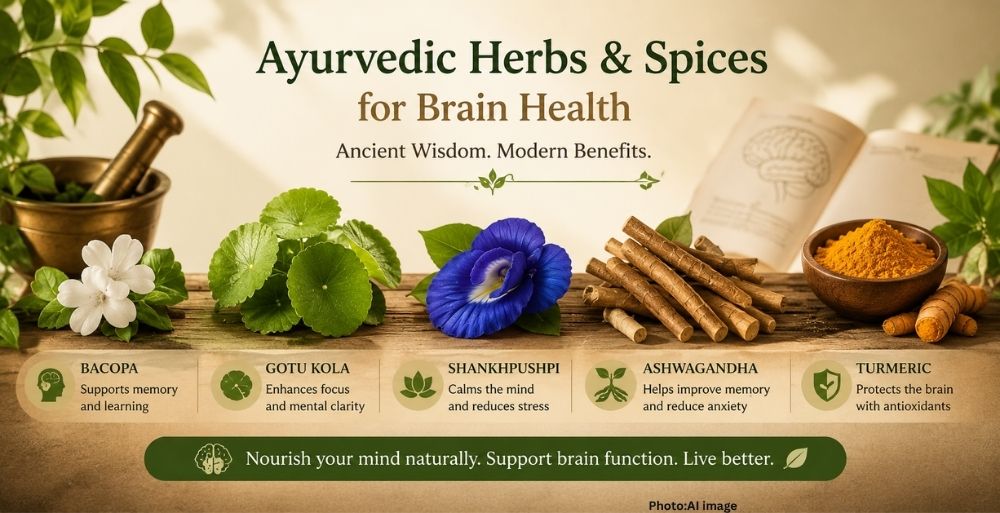
In recognition of Alzheimer’s & Brain Awareness Month, experts emphasize five Ayurvedic herbs and spices that may enhance cognitive health and support overall brain function.
Washington, D.C. — As Alzheimer’s & Brain Awareness Month unfolds this June, attention is drawn to the increasing interest in natural approaches to cognitive enhancement and healthy aging. Amidst a landscape where modern wellness trends often lean towards supplements and biohacking, Ayurveda—a traditional system of medicine from India—offers a perspective that emphasizes the use of everyday herbs and spices to nourish the brain and support the nervous system.
Nidhi Pandya, a Certified Advanced Ayurvedic Practitioner and bestselling author, has spotlighted five specific Ayurvedic ingredients believed to bolster cognitive health, reduce inflammation, and promote mental clarity. Her insights coincide with a broader societal shift towards holistic health practices that prioritize natural remedies over pharmaceutical solutions.
Identifying Key Ayurvedic Ingredients
Pandya’s selection of herbs and spices reflects a deep-rooted understanding of Ayurveda, which focuses not merely on the consumption of specific substances but also on the integration of lifestyle factors that contribute to overall well-being. The five highlighted ingredients are:
1. Ashwagandha: Renowned for its adaptogenic properties, ashwagandha is thought to help the body manage stress effectively. Chronic stress has been linked to cognitive decline, making ashwagandha a potentially valuable ally in maintaining mental clarity and cognitive function.
2. Turmeric: The active compound in turmeric, curcumin, is celebrated for its anti-inflammatory and antioxidant properties. Emerging research suggests that curcumin may play a role in supporting brain health, with studies indicating a possible reduction in the risk of neurodegenerative diseases such as Alzheimer’s.
3. Ginkgo Biloba: Often associated with improved memory and cognitive performance, Ginkgo Biloba is believed to enhance blood circulation to the brain, which can contribute to better cognitive function. Its historical use in traditional medicine underscores its significance in cognitive support.
4. Brahmi (Bacopa Monnieri): This herb has been traditionally used to improve memory and concentration. Brahmi is thought to promote mental clarity and support cognitive function, making it a staple in Ayurvedic formulations aimed at enhancing brain health.
5. Gotu Kola: Known for its calming effects, gotu kola is frequently utilized in Ayurvedic practices to enhance mental function and support emotional well-being, offering a holistic approach to cognitive health.
A Holistic Approach to Brain Wellness
Pandya emphasizes that Ayurveda’s approach to brain health extends beyond the consumption of specific herbs and spices. It encompasses a comprehensive view of health that includes lifestyle factors such as digestion, stress management, and sleep quality. In Ayurveda, proper digestion is considered fundamental not just for physical health but also for cognitive function. The belief is that what individuals consume directly influences their mental clarity and cognitive abilities.
Stress management is another critical component of maintaining cognitive health within Ayurvedic practices. Chronic stress is recognized as a significant contributor to cognitive decline and is associated with several mental health issues. To counteract this, Ayurveda encourages practices such as meditation, mindfulness, and yoga, which are designed to help individuals manage stress effectively and promote mental resilience.
Furthermore, adequate sleep is deemed essential for brain health. Sleep is a vital period for the body to repair and rejuvenate; insufficient sleep can lead to impaired cognitive function and overall health deterioration. Simple modifications to daily routines, such as establishing a regular sleep schedule and adopting calming pre-sleep habits, are recommended to enhance sleep quality.
Implications for Cognitive Health and Future Research
The exploration of these Ayurvedic ingredients aligns with a growing body of interest in natural remedies for cognitive support, particularly as the global population ages. While the traditional use of these herbs is well-documented, ongoing scientific research is necessary to fully elucidate their potential benefits and mechanisms of action related to brain health.
As the prevalence of neurodegenerative diseases increases with aging populations, the integration of traditional Ayurvedic practices with modern scientific inquiry could unveil new strategies for enhancing cognitive health. Investigating the therapeutic potential of these herbs, alongside lifestyle interventions rooted in Ayurveda, may offer promising avenues for individuals seeking to improve their cognitive resilience.
In conclusion, as more individuals turn to natural remedies for health support, the insights from Ayurveda could provide valuable options for those aiming to enhance their cognitive health. The emphasis on a holistic approach that addresses diet, stress, and sleep underscores the importance of considering multiple facets of health in the pursuit of cognitive well-being.






No Comment! Be the first one.