





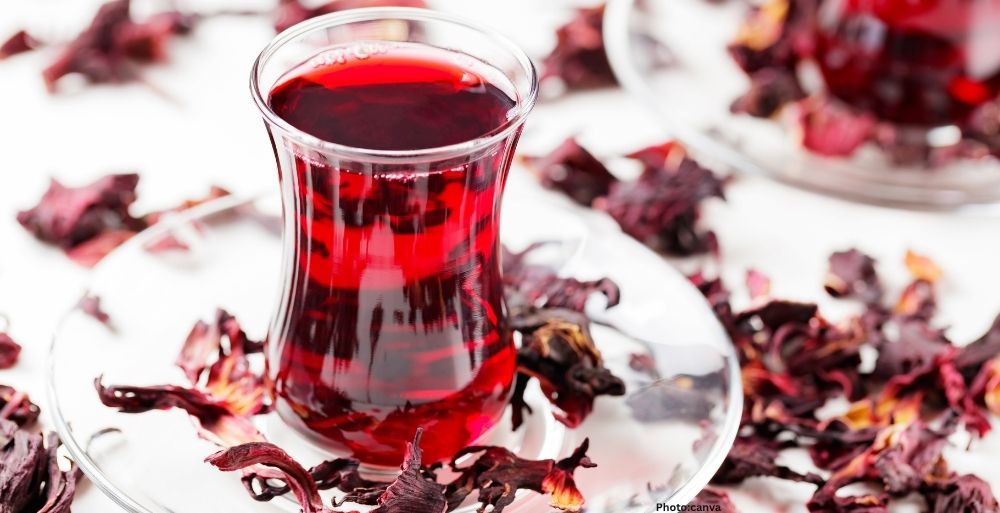
While green tea is widely recognized for its potential benefits on blood pressure, other beverages such as prune juice, beet juice, and hibiscus tea may offer even greater support for maintaining healthy blood pressure levels.
In recent discussions surrounding dietary approaches to managing hypertension, a variety of drinks have emerged as potential allies in the quest for better cardiovascular health. While green tea is often lauded for its benefits, certain alternatives may provide even more pronounced effects on blood pressure regulation. These drinks, which include prune juice, beet juice, hibiscus tea, pomegranate juice, and orange juice, each bring unique nutritional properties to the table.
The Importance of Blood Pressure Management
High blood pressure, or hypertension, is a significant health concern that affects millions globally. It places extra strain on the heart and arteries, increasing the risk of heart disease, stroke, and other cardiovascular complications if left unmanaged. According to the American Heart Association, nearly half of American adults have high blood pressure, a condition that can often go unnoticed without regular monitoring.
Diet plays a crucial role in blood pressure management. As nutrition expert Dani Lebovitz, M.S., RDN, points out, “Food and drink affect how much fluid the body holds onto, the balance of important minerals like sodium and potassium, how well blood vessels work, and overall health factors such as inflammation and gut health.” Understanding the impact of various beverages is essential for developing effective dietary strategies.
1. Prune Juice
Prune juice is gaining attention for its potential cardiovascular benefits, despite limited direct research on its effects on blood pressure. Prunes are rich in antioxidants, potassium, and dietary fiber, which all contribute to heart health. One cup of canned prune juice contains approximately 707 milligrams of potassium, amounting to about 27% of the daily recommended value for women. “Research shows that higher fiber intake is associated with better blood pressure and cardiovascular health,” explains Lebovitz. The convenience of single-serve prune juice options makes it an accessible choice for those looking to incorporate heart-healthy beverages into their diet.
2. Hibiscus Tea
This herbal beverage, known for its vibrant color and tart flavor, contains polyphenols that may help relax blood vessels, thereby lowering blood pressure. Studies suggest that hibiscus tea can inhibit enzymes involved in blood pressure regulation. Lebovitz recommends steeping hibiscus tea for 5 to 10 minutes to maximize its flavor and health benefits, making it an enjoyable option both hot and iced.
3. Pomegranate Juice
Pomegranate juice is rich in antioxidants, particularly punicalagins and anthocyanins, which support arterial elasticity and may help lower blood pressure. An analysis revealed that regular pomegranate consumption is linked to reduced systolic and diastolic blood pressure. Nutritionist Payton Brewer, M.S., RD, CPT, advises consumers to choose 100% pomegranate juice without added sugars to reap the most health benefits. Diluting it with sparkling water can also help balance the tartness, making it a more palatable option.
4. Beet Juice
Beets are notable for their high content of dietary nitrates, which the body converts into nitric oxide. This molecule plays a critical role in helping blood vessels relax, facilitating smoother blood flow. Research indicates that daily consumption of beetroot juice can significantly lower systolic blood pressure in individuals with hypertension. Lebovitz notes that even small servings of beetroot juice can have meaningful cardiovascular effects, emphasizing the importance of selecting high-quality beetroot juice over cocktails to ensure maximum nitrate content.
5. Orange Juice
Rich in hesperidin, a flavonoid with antioxidant and anti-inflammatory properties, orange juice has been shown to lower blood pressure in individuals with pre- and stage-1 hypertension. A study found that consuming 500 milliliters of orange juice daily over 12 weeks led to significant reductions in systolic blood pressure. However, experts like Lauren Manaker, M.S., RDN, LD, caution that while orange juice can be beneficial, it should be consumed in moderation, preferably as part of a balanced diet that prioritizes whole fruits for their fiber content.
Integrating Heart-Healthy Habits
While incorporating these beverages into one’s diet can support blood pressure management, it is essential to pair them with other heart-healthy lifestyle choices. Regular physical activity is crucial; the American Heart Association recommends at least 150 minutes of moderate-intensity aerobic exercise per week, along with strength-training sessions. Additionally, managing stress through techniques such as meditation and reducing sodium intake while increasing potassium-rich foods can further enhance blood pressure control.
Brewer emphasizes that blood pressure is influenced by various factors, including genetics and lifestyle choices, highlighting the importance of individualized approaches. “Working with a healthcare provider can help identify the most effective strategies for managing blood pressure,” she advises.
Conclusion
In summary, while green tea is a well-known player in the realm of blood pressure management, other beverages such as prune juice, beet juice, hibiscus tea, pomegranate juice, and orange juice offer valuable nutrients that may enhance cardiovascular health. However, it is crucial to remember that no single drink can replace the need for a comprehensive approach to heart health, which includes diet, exercise, and stress management.


No Comment! Be the first one.