




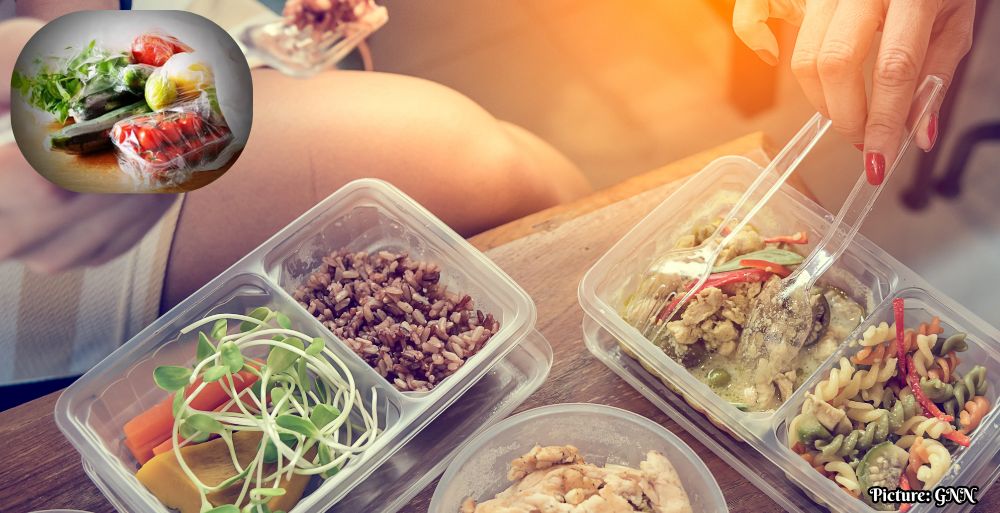
Microplastics and chemicals such as BPA, phthalates and PFAS can enter food from plastic containers, cookware, cutting boards, bottled water and can linings. Complete avoidance is unrealistic, but a few practical kitchen swaps may reduce exposure:
- Use wooden or metal utensils instead of plastic
- Choose wood or bamboo cutting boards
- Cook with stainless steel or cast iron instead of damaged nonstick pans
- Store and reheat food in glass—never microwave plastic
- Use glass or stainless-steel blender containers
- Carry a stainless-steel water bottle or coffee tumbler
- Choose dried beans and chickpeas more often instead of canned versions
The goal is not to become fearful of every plastic product. Focus especially on reducing plastic contact with hot food, hot drinks and high-friction appliances, where shedding may be greater.
Small, realistic changes can reduce exposure without making healthy eating complicated.






No Comment! Be the first one.