




Exploring Plant-Based Sources of Omega-3 Fatty Acids: A Guide for Vegetarians and Health-Conscious Consumers

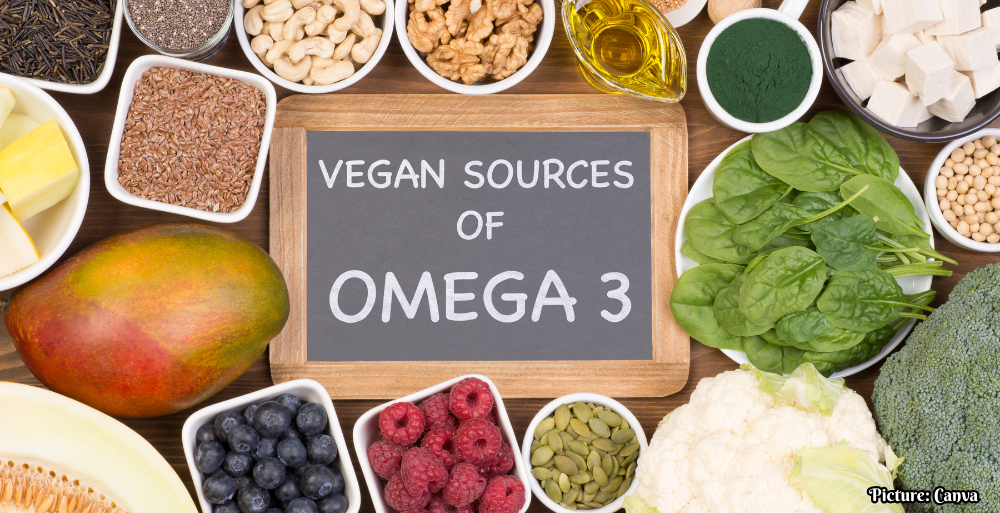
As dietary preferences shift, many individuals are seeking alternative sources of omega-3 fatty acids. This article outlines six plant-based foods rich in alpha-linolenic acid (ALA), the only omega-3 fatty acid with established dietary recommendations.
In recent years, the significance of omega-3 fatty acids in promoting overall health has garnered increasing attention. Traditionally, oily fish, such as salmon and mackerel, have been recognized as the primary sources of these essential nutrients. However, for vegetarians, individuals with fish allergies, or those who prefer not to consume seafood, a variety of plant-based alternatives exist. According to the National Institutes of Health (NIH), while specific recommended amounts for most omega-3 fatty acids remain undefined, guidelines do exist for alpha-linolenic acid (ALA), a plant-derived omega-3. Adult men are advised to consume 1.6 grams of ALA daily, whereas adult women should aim for 1.1 grams. These values increase for pregnant women to 1.4 grams and to 1.3 grams for those who are lactating.
Flaxseed Oil
Flaxseed oil emerges as a particularly potent source of ALA. One tablespoon contains approximately 7.26 grams of ALA, making it one of the most concentrated plant sources available. In addition to its omega-3 content, flaxseed oil has been associated with various health benefits, including improvements in skin barrier function. Whole flaxseeds also contribute to dietary fiber intake and have been shown to lower cholesterol levels and enhance digestive health. However, it is important to note that while whole flaxseeds offer numerous benefits, the oil provides a more bioavailable form of ALA. For instance, a tablespoon of whole flaxseeds contains about 2.35 grams of ALA, which is significantly lower than that found in the oil, highlighting its superior efficacy for those specifically seeking omega-3s.
Chia Seeds
Chia seeds serve as another excellent source of ALA, providing 5.05 grams of ALA per ounce, according to the United States Department of Agriculture (USDA). Beyond their omega-3 content, chia seeds are rich in protein and dietary fiber, offering 4.68 grams of protein and 9.75 grams of fiber per ounce. This nutrient-dense profile makes chia seeds a valuable addition to a variety of meals, enhancing both satiety and overall nutritional value. Moreover, chia seeds are versatile and can be easily incorporated into smoothies, oatmeal, or baked goods.
Hemp Seeds
Hemp seeds represent another versatile source of omega-3s. A serving of three tablespoons of hemp seeds contains 2.6 grams of ALA, along with nearly 9.5 grams of protein and significant amounts of essential minerals such as magnesium and potassium. To put this into perspective, this serving provides about two-thirds of the recommended daily magnesium intake for women over 30 and approximately 85% of the potassium found in a medium banana. Furthermore, hemp seeds are unique in that they contain omega-6 fatty acids, which contribute to heart health by lowering levels of low-density lipoprotein (LDL) cholesterol—the so-called “bad” cholesterol—while simultaneously boosting high-density lipoprotein (HDL) cholesterol, the “good” kind. These benefits were highlighted in a 2019 report by Harvard Medical School.
Walnuts
Walnuts are a well-known nut that provides a variety of health benefits, including a substantial amount of ALA. One ounce of walnuts delivers approximately 2.57 grams of ALA. Additionally, walnuts are abundant in polyphenols, which are antioxidants that help combat inflammation and oxidative stress. A 2023 study published in the journal Nutrients emphasized the potential of walnuts in lowering LDL cholesterol, underscoring their role in promoting heart health and overall well-being. Incorporating walnuts into one’s diet can be as simple as adding them to salads, yogurt, or enjoying them as a snack.
Soybean Oil
Soybean oil, while often critiqued in dietary discussions, can also contribute to ALA intake. One tablespoon of soybean oil contains about 0.92 grams of ALA, which is greater than the amount found in a cup of dry-roasted mature soybeans (1.34 grams). According to the USDA, soybean oil is more bioavailable than whole soybeans, making it a practical option for individuals looking to enhance their omega-3 intake. However, moderation is essential; a 2025 article from Harvard Medical School noted that using small amounts of seed oils for cooking or in salad dressings can be a healthy choice when incorporated into a balanced diet.
Conclusion
As dietary habits evolve, understanding and incorporating diverse sources of essential nutrients like omega-3 fatty acids becomes increasingly vital for maintaining health. For individuals who do not consume fish, these plant-based options provide valuable alternatives to support overall health and well-being. The growing interest in vegan and vegetarian diets has further emphasized the importance of identifying reliable sources of omega-3s, as these nutrients play a crucial role in brain health, cardiovascular function, and overall bodily functions. By incorporating foods such as flaxseed oil, chia seeds, hemp seeds, walnuts, and soybean oil into daily meals, individuals can ensure they meet their nutritional needs while adhering to their dietary preferences.






No Comment! Be the first one.