



Despite the popularity of turmeric and its active compound curcumin for purported health benefits, recent scrutiny raises questions about their efficacy and safety.
As the colder months approach in Australia, many are turning to recipes for “golden milk,” a warm beverage combining turmeric, spices, and honey. This drink not only offers a comforting taste but is also reputed to possess various medicinal properties, largely attributed to curcumin, the yellow pigment found in turmeric. Proponents claim that curcumin has anti-inflammatory effects that could protect against conditions such as cancer, arthritis, and Alzheimer’s disease. However, the scientific backing for these claims is increasingly under scrutiny.
The Rise of Turmeric in Western Culture
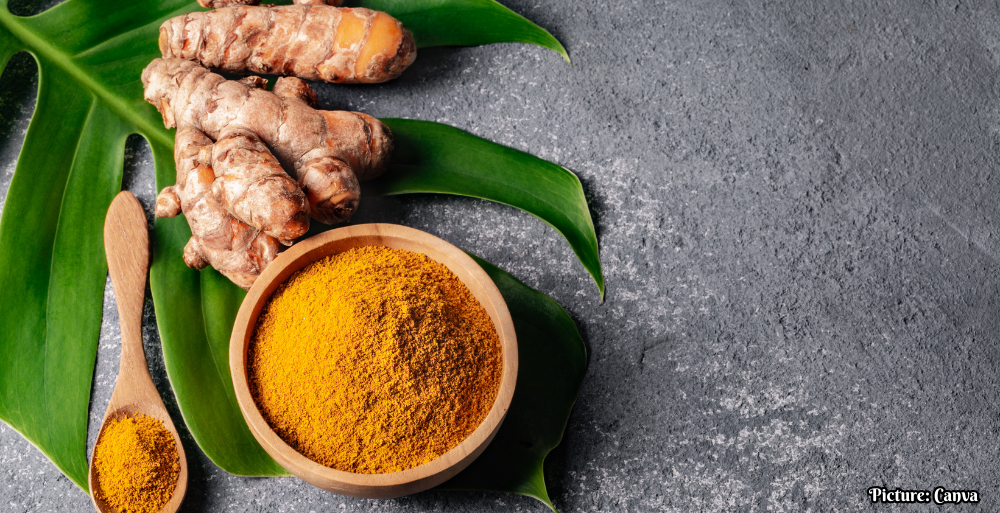
Turmeric has been a staple in South Asian cuisine and traditional medicine for thousands of years. Its recent elevation to “superfood” status in Western cultures can be traced back to the work of Bharat Aggarwal, a biochemist formerly affiliated with the University of Texas MD Anderson Cancer Center. Beginning in the early 2000s, Aggarwal published over 100 papers asserting that curcumin could reduce inflammation and kill various types of tumor cells. His research sparked interest in turmeric-based products, including the now-popular turmeric lattes and curcumin supplements. Since 1990, U.S. health agencies have invested over $275 million in curcumin research, with funding significantly increasing following Aggarwal’s publications.
Concerns Over Research Integrity
Despite this enthusiasm, recent developments have cast doubt on the validity of Aggarwal’s research. In 2012, the U.S. Office of Research Integrity alerted MD Anderson to allegations of potentially fraudulent results in at least 65 of Aggarwal’s studies. Although this does not automatically imply that all results are fraudulent, the claims have led to significant skepticism. Following an internal investigation, Aggarwal departed from MD Anderson, and 30 of his papers have since been retracted from scientific journals due to concerns regarding their authenticity. Notably, many of his remaining publications continue to be cited in ongoing research.
The Chemistry of Curcumin
Critics of curcumin’s therapeutic potential point to its chemical properties as a significant barrier to its efficacy as a drug. A 2017 review in the Journal of Medicinal Chemistry, led by Kathryn Nelson from the University of Minnesota, concluded that curcumin is “an unstable, reactive, nonbioavailable compound” and thus unlikely to serve as an effective therapeutic agent. This is primarily due to its poor solubility in water, which hampers its absorption into the bloodstream. Research from Dutch scientists published last year demonstrated that curcumin was scarcely detectable in the blood of study participants, even when they consumed high doses of enhanced formulations designed to improve absorption. The concentrations found were over 100 times lower than levels that have shown effectiveness against cancer cells in laboratory settings.
Clinical Trials and Efficacy
The lack of significant findings in rigorous clinical trials further complicates the narrative surrounding curcumin’s health benefits. Numerous studies aimed at evaluating curcumin’s impact on conditions like cancer and arthritis have not yielded convincing evidence of its effectiveness. Nelson and her colleagues have likened curcumin to “a missile that continually blows up on the launch pad, never reaching the atmosphere or its intended target(s).”
Safety Concerns and Adulteration
In addition to questions about its efficacy, there are growing concerns regarding the safety of turmeric and curcumin supplements. While turmeric used in cooking is generally considered safe, concentrated curcumin supplements can pose health risks. The U.S. National Institute of Diabetes and Digestive and Kidney Diseases has indicated that turmeric has become a leading cause of herbal-related liver injuries in the United States, with many cases linked to highly bioavailable forms of curcumin. Symptoms of liver injury can include jaundice, dark urine, and nausea, with some cases resulting in severe complications, including death.
Moreover, the integrity of turmeric products themselves has been called into question. In the U.S., several brands of ground turmeric were recalled between 2011 and 2016 due to contamination with lead chromate, a substance used to enhance the spice’s color. Such contamination has resulted in elevated lead levels in children who consumed these products. In other regions, turmeric supplements associated with liver damage have been found to be adulterated with pharmaceutical substances.
Conclusion
While the allure of turmeric and curcumin as health remedies persists, a critical examination of the available evidence suggests a more cautious approach. The anecdotal comfort of a warm cup of golden milk may provide subjective benefits, but claims of miraculous health effects should be viewed with skepticism. The assertion by Aggarwal and his colleagues that curcumin’s efficacy may seem “too good to be true” resonates strongly in light of recent findings and ongoing debates.


No Comment! Be the first one.