





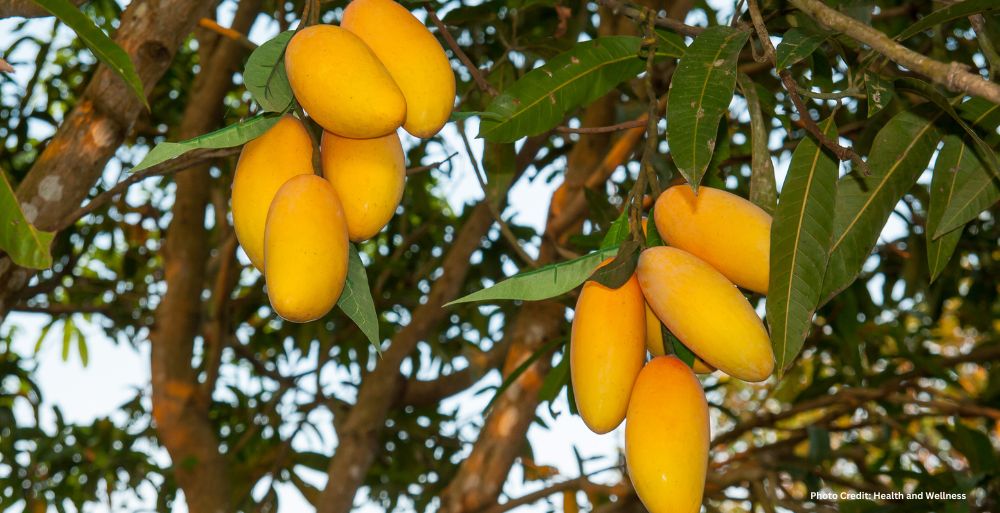
India, specifically the town of Malihabad in Uttar Pradesh, has been recognized as the Mango Capital of the World, contributing significantly to global production with approximately 228.37 lakh metric tonnes of mangoes harvested in the 2024-25 crop year.
India has long been celebrated for its diverse agricultural output, yet one fruit stands out prominently—the mango. Known as the “King of Fruits,” mangoes are cherished for their sweetness and flavor. In an official recognition of its preeminence in mango production, Malihabad, a town near Lucknow in Uttar Pradesh, has been declared the Mango Capital of the World. Recent data from the Ministry of Agriculture and Farmers Welfare indicates that India is expected to produce around 228.37 lakh metric tonnes (LMT) of mangoes during the 2024-25 crop year, representing nearly 40-45% of global mango production.
Malihabad’s Significance in the Mango Industry
Malihabad’s reputation as a mango production hub is underscored by its favorable agricultural conditions. The region is predominantly known for its cultivation of the Dasheri mango, a variety that is highly regarded both nationally and internationally for its sweetness and fiber-free texture. The area benefits from a hot summer climate and rich, fertile soil, both of which are conducive to producing high-quality mangoes. Farmers in Malihabad have a longstanding tradition of mango cultivation, with techniques and knowledge being passed down through generations.
The state of Uttar Pradesh, where Malihabad is located, plays an essential role in India’s overall mango production, contributing over 25% of the country’s total output annually. The concentration of mango farms in this region, combined with the agricultural expertise of local farmers, solidifies Malihabad’s position as the epicenter of mango cultivation in India.
Current Trends and Future Outlook for Mango Production
As global demand for mangoes rises, projections indicate that India’s mango production could reach 36 million metric tonnes by 2034, according to the OECD-FAO Agricultural Outlook 2025-2034. The Indian mango market is anticipated to grow by USD 2.46 billion by 2026, highlighting the fruit’s economic significance within the agricultural sector.
In 2025, it is expected that more than 67% of India’s mango production will originate from several key states, including Uttar Pradesh, Andhra Pradesh, Karnataka, Gujarat, and Maharashtra. The Agricultural and Processed Food Products Export Development Authority (APEDA) is actively working to enhance the export of Indian mangoes to various international markets, including the United Kingdom, Japan, Russia, and the Middle East.
Diverse Varieties of Indian Mangoes
India boasts a rich diversity of mango varieties, many of which are renowned globally. Some of the most notable include:
- Dasheri: Originating from Uttar Pradesh, this variety is celebrated for its sweet taste and lack of fiber, making it a favored choice for export.
- Langra: Known for its distinct tangy-sweet flavor, this variety is cultivated in Uttar Pradesh and Bihar.
- Alphonso (Hapus): Often touted as one of the most delicious mangoes in the world, it is primarily grown in Maharashtra.
- Kesar: Dubbed the “Queen of Mangoes,” this variety is recognized for its large size and golden color, predominantly cultivated in Gujarat.
- Banganapalli: Noted for its sweet and juicy flesh, this variety is grown in Andhra Pradesh.
- Chausa: Another popular variety from Uttar Pradesh, known for its extreme sweetness and thin skin.
Global Mango Capitals
While India holds the title of Mango Capital of the World, several other regions have their own claims to fame. For example, Multan in Pakistan is known as the “Mango City” due to the production of sweet mango varieties in that region. Guimaras in the Philippines has been dubbed the “Mango Capital of the Philippines,” with its mangoes having gained such acclaim that they have been served at prestigious venues like the White House and Buckingham Palace. Additionally, Chapai Nawbganj is recognized as the Mango Capital of Bangladesh. However, none of these areas can compare to India in terms of overall mango production or share of global market supply.
Conclusion: The Cultural and Economic Importance of Mangoes in India
The mango is not only a beloved fruit but also an integral component of India’s agricultural identity, with cultivation practices that date back over 4,000 years. The Mission for Integrated Development of Horticulture (MIDH) is a key initiative by the Indian government aimed at promoting mango farming, which supports the livelihoods of over 700,000 farmers in Uttar Pradesh alone. As global appreciation for the mango continues to grow, Malihabad stands as a testament to India’s rich agricultural heritage and its leading role in the global mango market. From the sweet Alphonso of Maharashtra to the aromatic Dasheri of Malihabad, Indian mangoes are celebrated worldwide, enhancing the nation’s reputation as the Mango Capital of the World.






No Comment! Be the first one.