





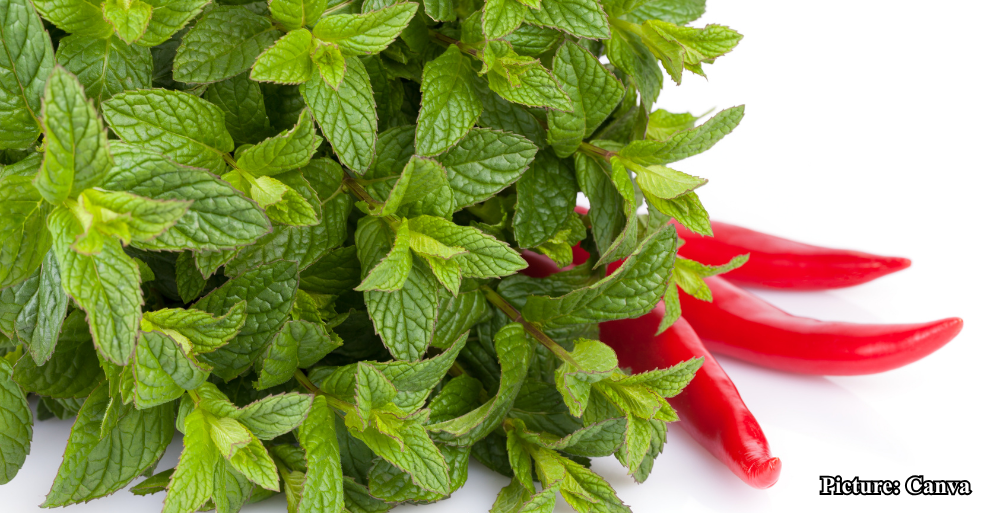
A recent study from Tokyo University reveals that the combination of chili peppers, mint, and eucalyptus can dramatically enhance their anti-inflammatory properties, presenting potential dietary strategies for managing inflammation.
A groundbreaking study conducted by researchers at Tokyo University has unveiled significant findings regarding the anti-inflammatory properties of chili peppers, mint, and eucalyptus. The research indicates that combining these ingredients can amplify their anti-inflammatory effects by as much as 700 times when compared to their individual consumption. This revelation underscores the importance of dietary choices in managing inflammation, a condition linked to various chronic health issues, including autoimmune diseases and cardiovascular disorders.
Understanding Inflammation
Inflammation is a natural immune response wherein the body’s immune cells release chemical signals to combat infection, injury, or perceived threats. While acute inflammation is essential for healing, chronic inflammation can lead to severe health complications, such as arthritis, cancer, depression, and type 2 diabetes. The World Health Organization has identified chronic inflammation as a contributing factor to numerous diseases, emphasizing the necessity for effective management strategies.
Research Overview
The study, published in the journal Nutrients, delves into the biochemical interactions of various plant compounds and their ability to modulate inflammatory pathways. Researchers focused on macrophages, a type of white blood cell that plays a crucial role in the inflammatory response. By triggering inflammation in these cells using a bacterial component, the researchers were able to assess how different plant compounds affected inflammation levels.
Methodology and Key Findings
In their experimental design, the Tokyo University team introduced specific compounds sourced from chili peppers (capsaicin), mint (menthol), and eucalyptus (1,8-cineole), alongside other ingredients like hops and ginger. The results were compelling: the anti-inflammatory effects of capsaicin increased by an astonishing 700 times when combined with menthol and by 150 times when paired with 1,8-cineole. This dramatic enhancement illustrates the potential for these compounds to work synergistically, filling gaps left when consumed independently.
According to the researchers, this study supports the notion that a diet rich in a variety of plant-based foods is beneficial for overall health. The unique chemical pathways through which these compounds operate allow them to complement each other, leading to amplified health benefits. The findings suggest that combining plant compounds could be a strategic approach to reducing inflammation and improving overall health.
The Implications of Chronic Inflammation
The implications of chronic inflammation extend far beyond mere discomfort; it has been linked to a plethora of serious health conditions. Chronic inflammation can contribute to cardiovascular diseases, autoimmune disorders, and various types of cancer, making it imperative to adopt dietary strategies that can mitigate these risks. For example, research has shown that chronic inflammation is associated with increased risks of heart disease, as inflammatory processes can lead to the buildup of plaque in arteries.
Integrating Anti-Inflammatory Foods into Your Diet
While the findings from the Tokyo University study highlight the potential benefits of combining chili peppers, mint, and eucalyptus, the researchers advise caution regarding specific dietary recommendations at this point. More extensive studies are required to evaluate how these results might translate into realistic dietary practices for humans. However, incorporating these ingredients into meals could yield additional health benefits as part of a broader strategy focused on a diverse, plant-based diet.
Practical methods for including these ingredients in your diet may involve preparing dishes such as spicy stews, salads, or soups that feature chili peppers, complemented by fresh mint or eucalyptus tea. Additionally, experimenting with marinades or sauces that combine both chili and mint could enhance flavor while promoting health. Emphasizing a more varied consumption of plant foods is likely to yield the greatest benefits, as ongoing research continues to uncover the synergistic effects of diverse plant compounds.
The Role of Diet in Preventing Inflammation
Diet plays a crucial role in managing inflammation. Foods rich in antioxidants, omega-3 fatty acids, and polyphenols have been shown to lower inflammatory markers in the body. For instance, research has indicated that diets high in fruits, vegetables, nuts, and whole grains can lead to lower levels of inflammatory markers such as C-reactive protein (CRP). As such, a diverse diet that includes anti-inflammatory plants like chili peppers, mint, and eucalyptus may serve as a proactive measure against chronic inflammation.
Concluding Thoughts
The findings from this research contribute significantly to the growing body of evidence supporting the health benefits of a plant-rich diet. By leveraging the combined effects of chili peppers, mint, and eucalyptus, individuals may find new avenues to manage inflammation effectively. This study not only sheds light on the intricate biochemical interactions of these compounds but also reinforces the critical importance of dietary diversity in fostering overall health and well-being. As research evolves, further insights into the complex roles of plant compounds in human health will undoubtedly emerge, paving the way for more comprehensive nutritional strategies.






No Comment! Be the first one.