




Satellite Data Indicates Accelerating Sea Level Rise, Raising Concerns for Coastal Cities

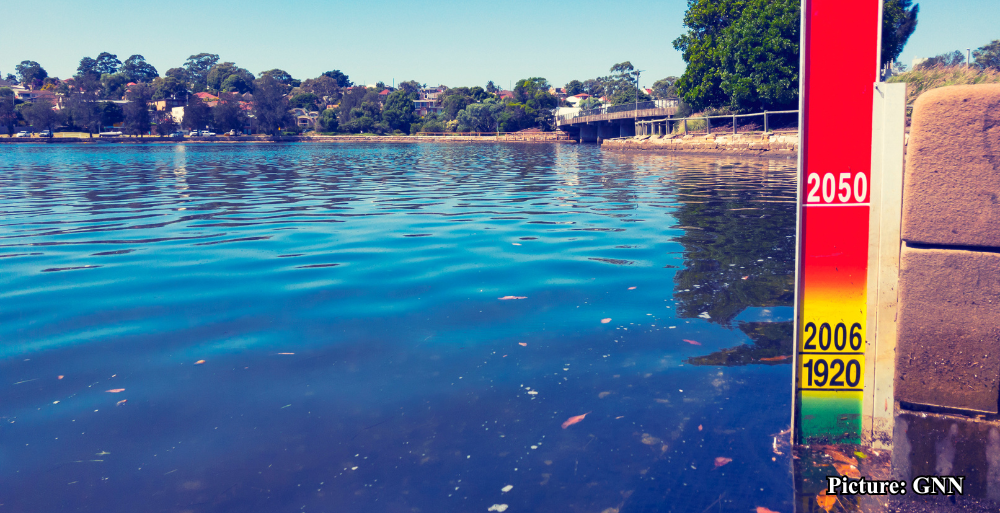
Recent satellite observations show a notable acceleration in global sea level rise, prompting urgent discussions on its implications for coastal cities worldwide, particularly in light of ongoing climate change.
In a troubling development for coastal communities around the globe, satellite measurements have indicated a significant acceleration in the rate of sea level rise that began around 2012. This increase is currently estimated at approximately 4.1 millimeters per year, a rate that has persisted in the years following. The implications of this trend are particularly severe for low-lying coastal cities, with Ho Chi Minh City in Vietnam emerging as a critical example of a community facing heightened vulnerability to flooding as a direct consequence of rising sea levels.
Recent Findings on Sea Level Change
The acceleration in sea level rise, documented through advanced satellite technology, highlights a stark shift in environmental conditions that could redefine coastal living. Over the past 15 years, the global average sea level has risen by more than 0.2 meters. This change has been attributed to several interrelated factors stemming from global warming, including the increased melting of mountain glaciers, as well as ice sheets in Greenland and Antarctica. Additionally, the thermal expansion of seawater as temperatures rise contributes significantly to this phenomenon.
Lancelot Leclercq, a researcher from the University of Toulouse in France, comments on the complexity of attributing the recent increases in sea level to climate change. While he acknowledges that natural variability could play a role in the recent trends, he also emphasizes the potential link to the accelerating pace of global warming. This dual perspective illustrates the challenge of isolating specific causes behind observed changes in sea levels.
Historical Context and Implications
The current rate of sea level rise is unprecedented when viewed through the lens of historical data. For much of the 20th century, sea levels increased at an average rate of approximately 1.7 millimeters per year. The recent acceleration represents a more than doubling of this rate, underscoring the urgency of addressing climate change and its myriad impacts on global sea levels.
Rising sea levels pose significant threats to coastal infrastructure and ecosystems, endangering the livelihoods of millions residing in vulnerable areas. Ho Chi Minh City, for example, has already begun to experience regular flooding, a situation that experts warn will worsen as sea levels continue to rise. The city’s geographical characteristics, combined with ongoing urbanization challenges, highlight its precarious position and serve as an important case study for climate adaptation strategies.
Broader Environmental Impacts
The ramifications of accelerated sea level rise extend far beyond immediate flooding concerns. Issues such as coastal erosion, saltwater intrusion into freshwater supplies, and the potential displacement of populations are all likely consequences of ongoing changes in sea levels. These environmental impacts could lead to significant economic disruptions across various sectors, including agriculture, fishing, and tourism, which are critical to the economies of many coastal regions.
In light of these developments, there is a pressing need for comprehensive climate policies that address both mitigation and adaptation strategies. Countries worldwide are increasingly recognizing the necessity of integrating climate risk assessments into urban planning and infrastructure development. These assessments are essential for preparing communities for the challenges posed by rising sea levels and ensuring the sustainability of coastal living.
Global Responses and Future Directions
As the scientific community continues to analyze and interpret the data regarding sea level rise, international and local governments are facing the challenge of responding to these findings with the urgency they warrant. Various nations have begun to implement measures aimed at mitigating the effects of climate change and adapting to its consequences. These measures include investing in resilient infrastructure, enhancing flood defenses, and implementing sustainable land-use practices.
Moreover, the global community has seen a push towards collaboration on climate initiatives, as countries recognize the importance of collective action in combating climate change. The Paris Agreement, adopted in 2015, represents a significant step in this direction, as countries committed to limiting global warming and reducing greenhouse gas emissions. The success of such agreements will depend on the commitment of nations to follow through on their pledges and engage in continuous dialogue about effective strategies for climate adaptation.
Conclusion
The recent findings regarding accelerated sea level rise serve as a critical reminder of the interconnectedness of climate change phenomena. As global temperatures continue to rise, the implications for sea levels will likely intensify, necessitating urgent action from policymakers, scientists, and communities alike. Addressing this issue not only requires an understanding of the scientific data but also a commitment to collaborative efforts aimed at curbing greenhouse gas emissions and adapting to the changing climate. The future of coastal cities, such as Ho Chi Minh City, will depend heavily on the proactive measures taken today to mitigate the effects of rising sea levels and safeguard the well-being of millions.




No Comment! Be the first one.