





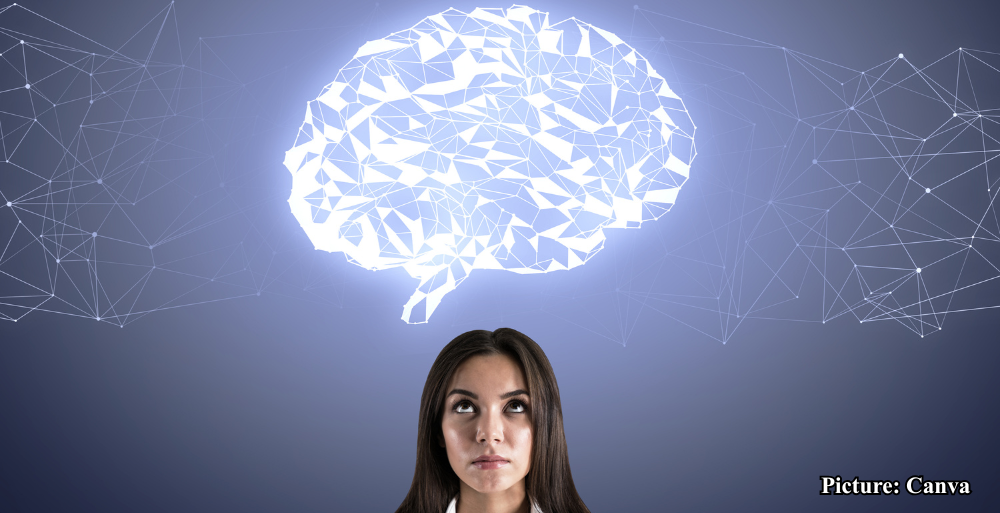
Exploring the complex relationship between human intelligence and attunement reveals both the profound capabilities and inherent risks of our psychological makeup, highlighting the need for greater integration in a rapidly evolving world.
In an era characterized by rapid technological advancement and profound societal challenges, the intricate dynamics of human intelligence have garnered significant attention from psychologists and social scientists alike. This exploration is particularly pertinent as it addresses the paradoxical nature of our psychological makeup—capable of remarkable creativity while simultaneously fostering unprecedented levels of destruction. Understanding this duality is essential for navigating the complexities of contemporary life.
Redefining Intelligence
Traditionally, intelligence has been conceived primarily as a cognitive function, measured through standardized tests and academic performance. However, current psychological discourse suggests that this view may be overly simplistic. Some experts advocate for a redefinition of intelligence as a process of attunement—a dynamic interplay where individuals and systems resonate with the patterns necessary for survival and flourishing.
Historical context plays a pivotal role in this redefinition. Long before the emergence of the human brain, even the simplest forms of matter exhibited a rudimentary form of intelligence through coherence and organization. In the prebiotic world, elements and compounds followed natural patterns dictated by energy gradients and chemical stability. This early attunement laid the groundwork for the emergence of more complex life forms, ultimately culminating in the development of cellular structures that could respond to environmental stimuli and maintain internal organization, a process that biologists refer to as adaptive responsiveness.
The Evolution of Human Intelligence
As evolution progressed, the emergence of neural networks marked a significant leap forward in the complexity of attunement. Humans developed the unique ability to engage in symbolic thought, which allowed for the creation of language, culture, norms, and technological advancements. These cultural constructs form a shared field of meaning that shapes collective behavior and emotional responses, underscoring the notion that human intelligence transcends individual cognition and exists within the social fabric.
Psychologists and anthropologists alike have noted the significance of collective intentionality and symbolic culture in shaping human behavior. However, this capability also raises critical concerns about the potential for abstraction to detach from immediate reality. While such detachment can facilitate creativity and innovation, it can also lead to significant vulnerabilities within societal structures.
Consequences of Disconnection
Modern society provides ample evidence of how intelligence can become disconnected from fundamental realities. For instance, economic models that prioritize growth without considering ecological sustainability reflect a profound disconnection from the natural world. Similarly, social media platforms, while enhancing connectivity, often contribute to relational fragmentation and a sense of isolation among individuals.
Moreover, ideologies that reduce complex human experiences to simplistic categories can foster division rather than understanding. The rapid progression of technology, often outpacing the development of ethical frameworks necessary to govern its impact, further exemplifies this troubling disconnection. As a result, the paradox becomes increasingly apparent: the greater the capacity for abstraction and symbolic thought, the higher the risk of estrangement from the realities that sustain life.
The Urgency of Addressing the Paradox
In light of contemporary challenges, it is crucial to address this paradox. The symbolic systems that govern our lives—including technology, politics, and media—are evolving at a pace that often exceeds our capacity for comprehension and integration. This imbalance has led to a variety of societal issues, such as environmental degradation, psychological distress, and increased polarization.
Many of the psychological challenges we face today—ranging from anxiety and burnout to social alienation—can be interpreted as symptoms of disrupted attunement. This disruption is not a result of individual failings but rather reflects the rapid transformation of our symbolic environment, which can outstrip our innate adaptive mechanisms. The urgency to cultivate a deeper understanding of how we attune to our surroundings has never been greater.
A Path Forward: Cultivating Integrated Intelligence
As we reach a critical juncture, a fundamental question arises: Can we cultivate a more integrated form of intelligence that bridges the gap between abstraction and reality? The future may hinge less on acquiring additional knowledge and more on enhancing our ability to attune to the complexities of the world around us. This necessitates not only a deeper grasp of abstract concepts but also a reconnection with the tangible realities that ground our existence.
By redefining intelligence as attunement, we can glean valuable insights into the human experience. This perspective challenges us to reevaluate our relationship with the world, advocating for a narrative that prioritizes resonance and interconnectedness over mere abstraction. Such a shift could pave the way for healthier psychological states and foster social cohesion, ultimately addressing the paradox that defines our existence.
In conclusion, the exploration of human intelligence as a process of attunement presents profound implications for our understanding of both individual and collective psychological well-being. As we confront the challenges posed by a rapidly changing world, embracing this nuanced view of intelligence may indeed hold the key to fostering healthier minds and a more resilient society.





No Comment! Be the first one.