





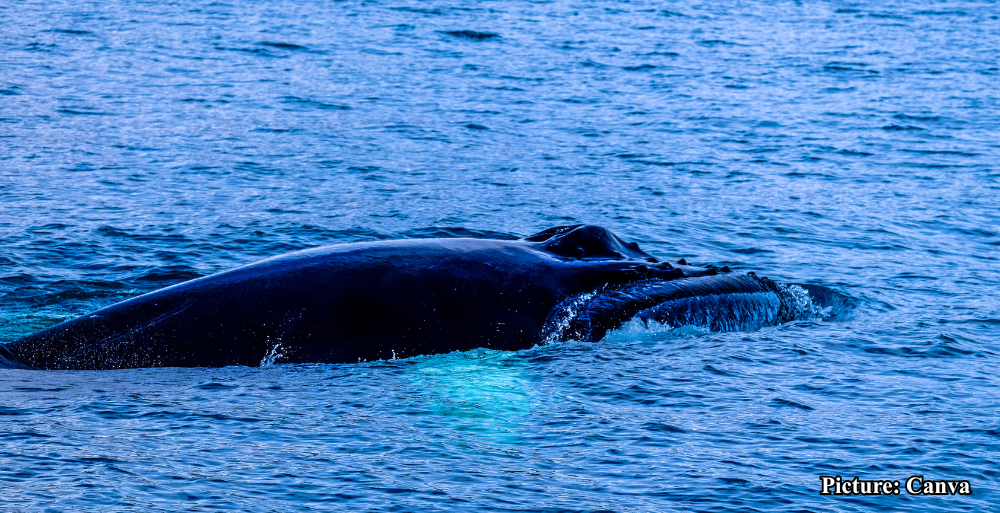
A recent study reveals that a protein found in bowhead whales, known for their extraordinary longevity, may enhance DNA repair mechanisms and potentially extend human lifespan.
In a significant advancement in aging research, scientists from the University of Rochester have published findings in the journal Nature that explore the biological mechanisms behind the remarkable longevity of bowhead whales, which can live for over 200 years. This study investigates how the unique biological traits of these marine mammals might inform strategies for extending human lifespan. Bowhead whales are not only notable for their age but also for their exceptional resistance to diseases, prompting researchers to delve into the intricacies of their biology.
The Role of CIRBP
The research focuses on a specific protein known as Cold-Inducible RNA-Binding Protein (CIRBP), which has been identified as crucial in repairing double-strand breaks in DNA. This type of genetic damage is linked to various diseases and is a significant contributor to the aging process. The findings reveal that bowhead whales possess CIRBP at levels 100 times higher than those found in other mammalian species. This striking difference suggests a correlation between the abundance of this protein and the whales’ longevity.
Laboratory Experiments and Findings
To assess the impact of CIRBP, researchers conducted laboratory experiments where they introduced the protein into human cell cultures and fruit fly cells. The results were compelling; the presence of bowhead whale CIRBP significantly improved DNA repair in both human and fruit fly cells. More notably, the introduction of this protein in fruit flies not only enhanced DNA repair but also extended their lifespan, marking a promising development in the field of aging research.
Interestingly, the study also found that lower temperatures appear to boost the production of CIRBP. This observation aligns with the natural environment of bowhead whales, which inhabit the frigid Arctic waters. The cold conditions in their habitat may promote the synthesis of this protective protein, raising intriguing possibilities for therapeutic applications. Researchers are now considering whether lifestyle modifications, such as exposure to cold environments or cold showers, could potentially increase CIRBP levels in humans and thereby improve DNA repair processes.
Future Research Directions and Implications
While the prospect of extending human lifespan to 200 years remains speculative, the discovery of CIRBP has opened new avenues for research into the biology of aging. According to experts at the University of Sheffield, the implications of a single DNA repair protein influencing lifespan in model organisms like fruit flies invigorate scientific interest in understanding how enhancing DNA repair mechanisms could lead to healthier aging in humans.
Despite these promising findings, researchers emphasize the need for further studies to fully comprehend the complex mechanisms at play. The potential for translating these discoveries into practical applications for human health raises important questions about the feasibility and ethics of significantly prolonging human lifespan through biological interventions. As scientists grapple with these complexities, the focus on unique biological traits found in long-lived species such as the bowhead whale could ultimately inform innovative strategies for improving health and longevity in humans.
Broader Context in Aging Research
The study of aging has gained significant momentum in recent years, driven by an increasing interest in how biological, environmental, and lifestyle factors contribute to longevity. With global life expectancies rising, understanding the biological underpinnings of aging is critical for developing interventions that promote healthy aging and prevent age-related diseases.
In addition to CIRBP, researchers are exploring various other pathways and proteins that may play a role in longevity. For example, studies have investigated the effects of caloric restriction, senolytic drugs that target aging cells, and gene-editing technologies that could potentially reverse some aspects of aging at the cellular level.
The implications of extending human lifespan are profound; a longer, healthier life could alleviate the burden on healthcare systems and improve the quality of life for individuals as they age. However, these advancements also necessitate careful consideration of the ethical, social, and economic ramifications of significantly altering human longevity.
Conclusion
As the scientific community continues to unravel the complexities of aging, the exploration of biological traits in long-lived species like the bowhead whale provides a vital perspective. The discovery of CIRBP exemplifies how studying nature can lead to groundbreaking insights that may one day enhance human health and longevity. While the journey to translating these findings into practical applications is just beginning, the initial results inspire hope for a future where aging might be understood and managed more effectively.





No Comment! Be the first one.