





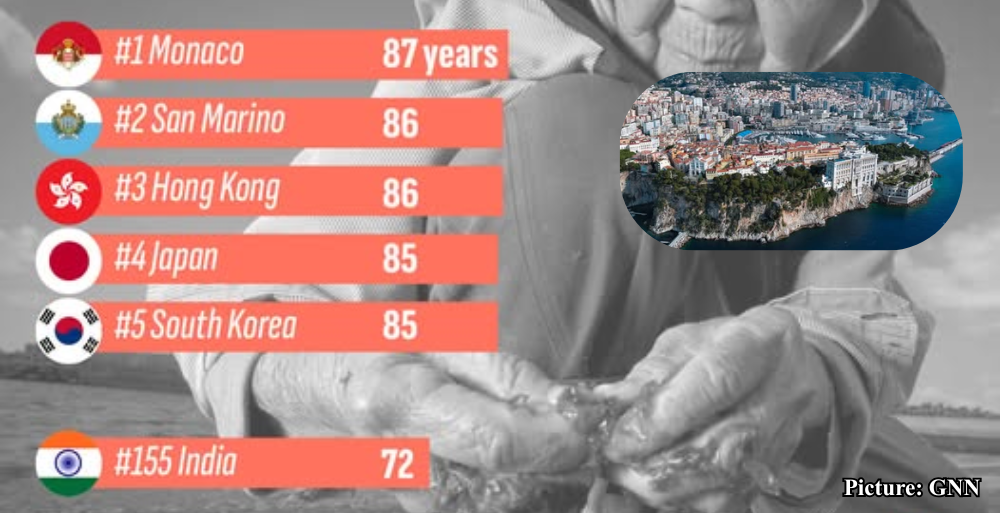
The World Bank Group’s comprehensive report indicates that Monaco and San Marino have the highest life expectancies globally, while Nigeria and Chad rank among the lowest, underscoring significant disparities in health outcomes influenced by economic and healthcare factors.
According to a recent report from the World Bank Group, Monaco has emerged as the country with the highest life expectancy in the world, boasting an impressive average lifespan of 86.4 years. The data, which encompasses life expectancy at birth across various nations, was collected through 2023 and draws from respected sources such as the United Nations Population Division and Eurostat. This report highlights the stark contrasts in life expectancy across different regions, primarily driven by environmental factors, healthcare systems, and socioeconomic conditions.
Global Overview of Life Expectancy
Following Monaco, San Marino ranks second with an average life expectancy of 85.7 years. The top rankings are characterized by nations that generally possess robust economies, advanced healthcare systems, and lower rates of early-life mortality. Conversely, Nigeria and Chad have the lowest reported life expectancies, at 54.5 years and 55.1 years, respectively, reflecting serious health challenges faced by these countries.
As the World Bank’s analysis suggests, the disparities in life expectancy are not merely statistical anomalies; they reveal deeper issues tied to wealth, healthcare access, and public health infrastructure. Wealthier nations, such as those in Europe, benefit from comprehensive healthcare services and a higher standard of living, which contribute to longer life spans. In contrast, countries facing economic turmoil, widespread disease, and malnutrition exhibit significantly lower life expectancies. The data underscores the critical importance of addressing health inequalities on a global scale.
Historical Context and Longevity
Life expectancy is a key indicator of a nation’s overall health status, reflecting the combined effects of various determinants, including genetics, lifestyle, and environmental conditions. A historical perspective on longevity can be illustrated through the life of Jeanne Calment, the oldest verified person to have ever lived, who died at the age of 122 in 1997. Despite Calment’s extraordinary lifespan, France, her home country, ranks just outside the top 20 for life expectancy, emphasizing that individual cases of longevity can vary widely from national averages.
Influences on Life Expectancy
The factors influencing life expectancy are complex and multifaceted. Countries like Monaco and San Marino enjoy advanced healthcare systems and low rates of infant mortality, which contribute to their high life expectancies. In these nations, access to healthcare is generally universal, and public health policies are robust and effective.
On the other hand, Nigeria and Chad face numerous health challenges, including a high prevalence of infectious diseases, malnutrition, and limited access to healthcare services. The World Bank report highlights that Nigeria’s healthcare system grapples with numerous obstacles, including inadequate funding, a lack of healthcare infrastructure, and socioeconomic instability, which collectively hinder its public health outcomes.
Interestingly, the United States ranks 48th in the global life expectancy standings, with an average of 78.4 years. This figure, while respectable, raises concerns regarding ongoing public health issues, including lifestyle-related diseases, healthcare access disparities, and growing socioeconomic divides. The decline in life expectancy in the U.S. in recent years has prompted renewed discussions among policymakers and health professionals regarding the need for substantial health reforms.
Comprehensive Rankings
The World Bank Group’s findings detail the 15 countries with the highest life expectancy as follows:
- Monaco: 86.4 years
- San Marino: 85.7 years
- Liechtenstein: 84.8 years
- Switzerland: 84.1 years
- Andorra: 84.0 years
- Japan: 84.0 years
- Spain: 83.9 years
- Italy: 83.7 years
- Malta: 83.5 years
- South Korea: 83.43 years
- Luxembourg: 83.4 years
- Sweden: 83.3 years
- Israel: 83.19 years
- Kuwait: 83.18 years
- Norway: 83.1 years
In stark contrast, the countries with the lowest life expectancy include:
- Nigeria: 54.5 years
- Chad: 55.1 years
- Central African Republic: 57.4 years
- South Sudan: 57.6 years
- Lesotho: 57.35 years
- Somalia: 58.8 years
- Mali: 60.4 years
- Guinea: 60.74 years
- Benin: 60.77 years
- Burkina Faso: 61.1 years
- Sierra Leone: 61.8 years
- Democratic Republic of the Congo: 61.9 years
- Côte d’Ivoire: 61.94 years
- Nauru: 62.1 years
- Niger: 61.2 years
Implications for Global Health
The findings of this report from the World Bank Group highlight the urgent need to address global health disparities. Nations across the globe must prioritize investments in healthcare infrastructure, education, and nutrition to improve public health outcomes. By addressing the root causes of health inequities, governments can enhance life expectancy and overall quality of life for their populations.
The stark differences in life expectancy serve as a reminder of the challenges that many countries face in their pursuit of better health outcomes. As nations work toward achieving sustainable development goals, understanding and addressing these disparities will be critical in fostering healthier populations worldwide. Continued efforts are necessary to ensure equitable access to healthcare and to implement effective public health strategies that can elevate life expectancy across different regions.






No Comment! Be the first one.