





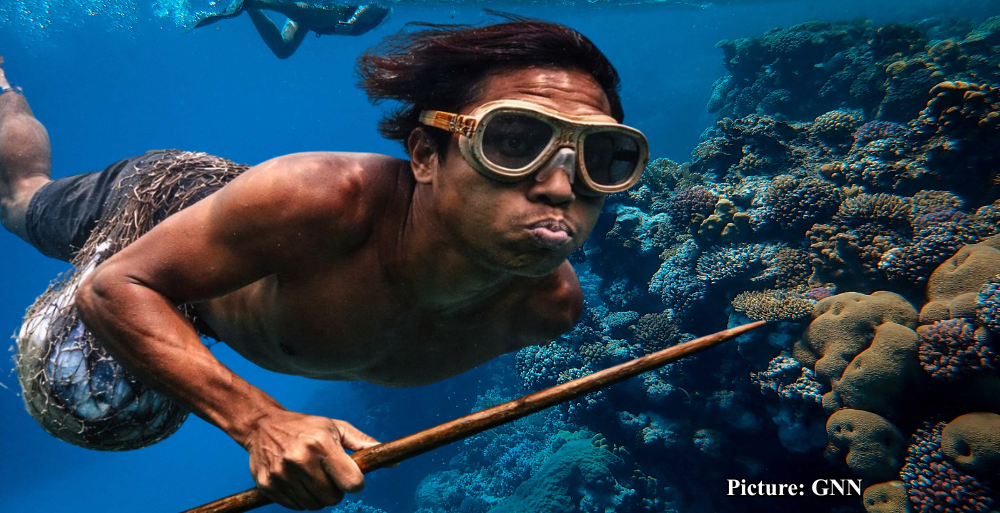
Humans have developed unique adaptations to survive in extreme environments, from high altitudes in the Himalayas to underwater lifestyles among the Sama people, showcasing the incredible versatility of our species.
As Homo sapiens venture into some of the most challenging environments on Earth, they showcase an unparalleled ability to adapt, having established permanent settlements on every continent except Antarctica. This adaptability is especially pronounced in groups that have faced sustained environmental pressures, leading to distinct biological solutions that enhance survival and reproductive success.
Adaptations to High Altitude
One of the most remarkable examples of human adaptation can be seen in populations residing at high altitudes, such as those in the Himalayas and the Andes. These communities have developed physiological changes that enable them to thrive in low-oxygen environments. According to Herman Pontzer, a professor of evolutionary anthropology at Duke University, these adaptations emerge from the need to respond to persistent environmental challenges.
At high altitudes, humans face a significant drop in oxygen availability. To combat this, the body increases the production of red blood cells, a process stimulated by the hormone erythropoietin (EPO). As oxygen levels in the blood decrease, the kidneys and liver respond by producing more EPO, which signals the bone marrow to generate additional red blood cells. This adaptation, while beneficial, can also lead to complications such as altitude sickness, characterized by symptoms including headaches and nausea, and in severe cases, fluid buildup in the lungs or brain.
In the Andes, native populations have adapted to these conditions by maintaining elevated red blood cell counts throughout their lives. They also possess larger lung capacities, a result of both genetic adaptations and the environmental pressures they have faced. Despite these adaptations, approximately 15 percent of Andean adults still experience chronic mountain sickness, highlighting the inherent risks associated with living at high altitudes.
Conversely, Himalayan populations exhibit a different set of adaptations that enable them to thrive without experiencing the same degree of altitude sickness. Research indicates that these groups carry a specific allele of the EPAS1 gene, which allows for lower levels of EPO and red blood cells, thereby mitigating the risks associated with high altitude.
The Role of Genetic Interbreeding
The presence of the advantageous EPAS1 allele in Himalayan populations is believed to have originated from interbreeding with Denisovans, a closely related hominin species. This genetic mingling occurred approximately 50,000 years ago, as early humans migrated across Asia. Initially neutral, the allele became advantageous as populations began to inhabit higher elevations, leading to its predominance in the gene pool of modern Himalayan communities.
This phenomenon of genetic adaptation underscores the complexity of human evolution, illustrating how interbreeding with other hominin species has contributed to our survival in various environments. As populations adapted to their specific ecological niches, their genetic makeup evolved to meet the unique challenges they faced.
Underwater Adaptations of the Sama People
In addition to high-altitude adaptations, humans have also developed unique physiological traits suited for life underwater. The Sama people, who inhabit regions around the Philippines, Indonesia, and Malaysia, exemplify this adaptation. Traditionally, the Sama have spent significant portions of their lives submerged, engaging in a hunter-gatherer lifestyle that includes spearfishing and foraging at depths sometimes exceeding 200 feet.
This underwater existence presents its own set of oxygen delivery challenges. To address these, the human body has evolved a response commonly seen in marine mammals: the contraction of the spleen. The spleen serves as a reservoir for red blood cells, and when diving, it releases these cells to optimize oxygenation throughout the body. Research suggests that the Sama possess an allele of the PDE10A gene that enhances spleen size, allowing them to store and utilize red blood cells more efficiently while underwater.
Furthermore, training in breath-holding has been shown to contribute to increased spleen size among the Sama, indicating a blend of genetic adaptation and learned behavior. This adaptation has enabled them to maintain a lifestyle that has persisted for thousands of years, despite modern pressures that threaten their traditional way of life.
The Implications of Adaptation
The study of human adaptations to extreme environments not only highlights the remarkable resilience of our species but also raises important questions about the future of human evolution. As climate change and environmental challenges continue to reshape our planet, understanding how humans have adapted over millennia can provide insights into how we might navigate future challenges.
Herman Pontzer’s work in evolutionary anthropology emphasizes the importance of recognizing the intricate balance between adaptation and risk inherent in our biology. The evolutionary journey of humans, marked by adaptations that enhance survival while introducing new vulnerabilities, serves as a reminder of the complex interplay between environment and physiology.
As we continue to explore the depths of human adaptability, it becomes increasingly clear that our ability to survive and thrive in diverse environments is not merely a product of our biology but also a testament to our shared history and interconnectedness with the world around us.





No Comment! Be the first one.