





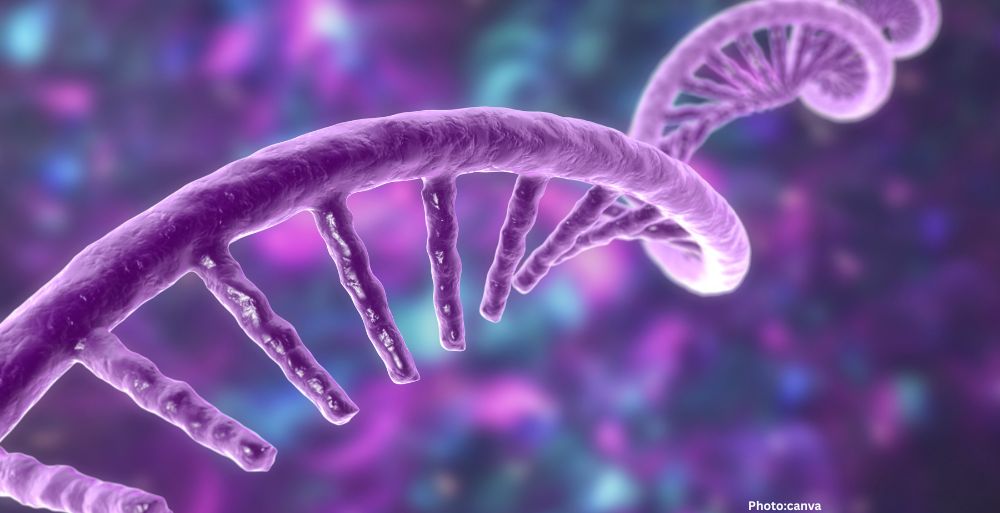
Researchers at the University of Toronto have engineered a novel RNA therapy that aims to bypass genetic mutations responsible for numerous inherited diseases, including cystic fibrosis. This innovative approach could provide a unified treatment strategy for various genetic disorders affected by similar mutations.
Researchers from the University of Toronto have introduced a groundbreaking RNA-based therapy designed to circumvent genetic mutations that lead to the production of incomplete proteins, a problem associated with numerous genetic diseases. This development, reported on October 9, 2023, focuses on addressing so-called nonsense mutations, which are responsible for approximately 11% of inherited genetic disorders.
Understanding Nonsense Mutations
Nonsense mutations occur when a small error in the genetic code triggers an early stop signal during protein synthesis. This disrupts the normal process by which cells produce proteins, often resulting in truncated or non-functional proteins. For many genetic conditions, this can severely impact cellular function, leading to significant health complications. The Toronto team has devised a strategy that employs engineered transfer RNA (tRNA) to bypass these faulty stop signals and facilitate the production of full-length proteins.
Innovative Engineering of tRNA
The researchers’ approach involves the modification of tRNA—specifically, the creation of suppressor tRNAs, or sup-tRNAs—that can recognize and override premature stop codons. Unlike traditional gene editing techniques, which alter the DNA sequence, this method operates at the RNA level, thus preserving the integrity of the genome. “With tRNA therapeutics, our goal is to develop a common therapeutic approach that could potentially address the same type of mutation across many different genes and diseases, including rare conditions that currently have few or no effective treatment options,” stated Bowen Li, the lead investigator and associate professor in the Leslie Dan Faculty of Pharmacy at the University of Toronto.
A Breakthrough in Delivery Systems
One of the critical challenges in RNA therapy has been effectively delivering the modified tRNA to the appropriate cells. The researchers tackled this by utilizing lipid nanoparticles, similar to those used in mRNA COVID-19 vaccines. After screening over 1,000 ionizable lipids, they developed a specific delivery system called TTP-3, optimized for tRNA. This delivery vehicle demonstrated substantial effectiveness in reaching airway cells in models of cystic fibrosis, with about 60% of the tracked tRNA successfully localized in epithelial cells. “That cargo-specific delivery system is one of the major advances of our study,” noted Jingan (Charles) Chen, a PhD candidate and co-lead author of the research. This targeted delivery increases the likelihood that the therapeutic agent will exert its intended effect.
Promising Results in Cystic Fibrosis Models
Cystic fibrosis (CF) served as a practical testing ground for this research, as approximately 10% of CF patients possess a nonsense mutation. Current treatments, such as the drug Trikafta, focus on improving the function of the cystic fibrosis transmembrane conductance regulator (CFTR) protein. However, in cases where nonsense mutations impede the production of sufficient full-length CFTR protein, these therapies may be ineffective. In laboratory experiments, the modified suppressor tRNAs successfully restored CFTR protein and its chloride-channel activity in human bronchial epithelial cells carrying nonsense mutations. Notably, in cells with the R1162X mutation, substantial levels of CFTR protein remained detectable for over 40 days. Further testing involved intestinal organoids from a cystic fibrosis patient, which indicated that while neither Trikafta nor the suppressor tRNAs alone produced significant functional recovery, their combination enhanced CFTR activity.
Challenges Ahead
Despite the promising findings, the researchers caution that significant hurdles remain before this therapy can be translated into clinical practice. Different organs may require specialized delivery systems, and repeated dosing must be proven safe. The current studies are still in the preclinical stage, and further research is needed to evaluate the efficacy and safety of these therapies across diverse genetic backgrounds.
The team also observed encouraging signs of selectivity in their approach. Ribosome profiling indicated no global increase in readthrough at normal stop codons, suggesting that the engineered tRNAs specifically target the intended mutations without broadly affecting the cellular protein synthesis processes. Initial safety experiments in mice showed transient, dose-dependent lung inflammation at higher doses, while lower doses appeared to remain within safe levels.
A Foundation for Future Research
This foundational research represents a significant step toward the development of effective treatments for genetic diseases characterized by nonsense mutations. “This is the kind of foundational research that medical breakthroughs are built on,” remarked Lisa Dolovich, dean of the Leslie Dan Faculty of Pharmacy. The researchers have already begun exploring the potential for inhalable formulations of their tRNA therapy, which could simplify administration and improve patient compliance.
As the scientific community continues to explore RNA therapeutics and other innovative strategies to overcome genetic mutations, the implications of this research could extend beyond cystic fibrosis to encompass a range of inherited disorders that share similar genetic challenges. The findings are documented in the journal Science, providing a framework for further exploration of tRNA therapeutics as a viable treatment avenue for genetic diseases.




No Comment! Be the first one.