




A recent study indicates that adopting a low-fat vegan diet can help individuals consume fewer calories while maintaining similar food volumes, presenting a potential strategy for effective weight management.
A new study published in the journal JAMA Network Open reveals that individuals seeking to lose weight may find success by altering their dietary composition rather than strictly limiting portion sizes or counting calories. This randomized clinical trial, which spanned 16 weeks, involved overweight adults who were divided into two groups: one following an ad libitum low-fat vegan diet and the other maintaining their usual dietary habits.
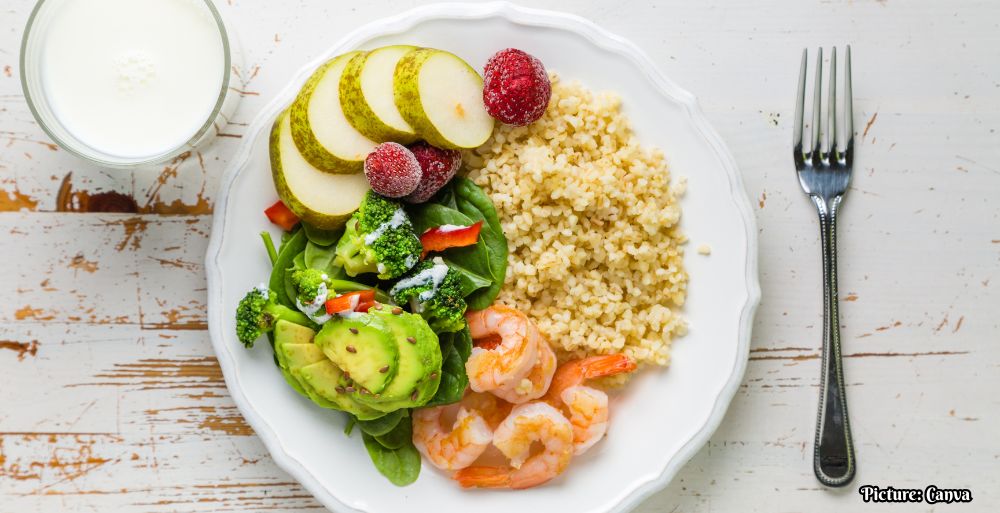
The vegan diet emphasized the consumption of fruits, vegetables, grains, and legumes, with participants neither instructed to monitor their calorie intake nor to reduce portion sizes. Surprisingly, participants in the vegan group consumed about 357 fewer calories per day compared to those in the control group, despite the fact that both groups ate nearly the same weight of food.
Energy Density: A Key Concept
The concept of energy density, which refers to the number of calories contained in a given weight of food, is central to understanding the study’s findings. Foods typically included in a vegan diet—such as fruits, vegetables, and legumes—are characterized by their higher water and fiber content, resulting in fewer calories per gram compared to animal products like meat, dairy, and eggs. This difference in energy density allows individuals to consume larger volumes of food while ingesting fewer calories.
Throughout the study, researchers noted that the total weight of food consumed did not significantly differ between the two groups. However, the vegan group demonstrated a marked decrease in energy density, while the control group exhibited minimal change. This finding suggests that dietary composition can significantly influence caloric intake without necessitating changes in overall food volume.
Correlation Between Energy Density and Weight Loss
Further analysis indicated a correlation between reduced energy density and weight loss outcomes. Participants who achieved greater reductions in calorie density tended to experience more significant weight loss, a trend that persisted even after adjusting for overall calorie intake. This correlation aligns with the notion that individuals might manage their weight more effectively by increasing the proportion of low-calorie foods in their diets.
The implications of this study are far-reaching for individuals struggling with weight management. By incorporating a greater variety of water-rich and high-fiber foods, individuals can increase the volume of their meals without a substantial increase in caloric intake. This approach allows for more satisfying portions while still adhering to a calorie-controlled diet.
Research Leadership and Study Context
The study was led by Hana Kahleova, the director of clinical research at the Physicians Committee for Responsible Medicine (PCRM), a nonprofit organization based in Washington, D.C. The PCRM advocates for plant-based diets and conducts research on their health benefits. Kahleova highlighted the potential of this dietary approach in transforming the perspective on weight management, suggesting that focusing on the types of foods consumed may be more beneficial than traditional calorie-counting methods.
As obesity rates continue to climb, understanding the role of dietary composition in weight management is increasingly critical. The findings from this study offer a fresh perspective, encouraging individuals to consider the energy density of their food choices rather than simply the quantity consumed. This shift in dietary focus could represent a significant change in dietary recommendations and practices for individuals aiming to improve their health through weight loss.
Future Implications and Research Directions
The research underscores the necessity for further studies to examine the long-term effects of a low-fat vegan diet on weight management and overall health. As public health experts continue to seek effective strategies to combat obesity, the insights gained from this study could inform dietary guidelines and public health campaigns aimed at promoting healthier eating habits.
In conclusion, the study provides a promising avenue for weight loss that emphasizes dietary composition over caloric restriction. This shift in perspective may offer new hope for individuals looking to achieve and maintain a healthy weight through sustainable dietary changes. By focusing on the quality of food consumed rather than merely the quantity, individuals may find a more effective and enjoyable path towards achieving their weight loss goals.
The findings also contribute to a growing body of evidence that suggests a plant-based diet can have significant health benefits beyond weight management, including improvements in cardiovascular health, diabetes management, and digestive health. As awareness of these benefits increases, more individuals may be encouraged to consider plant-based diets as a viable option for improving their overall health and well-being.




No Comment! Be the first one.