



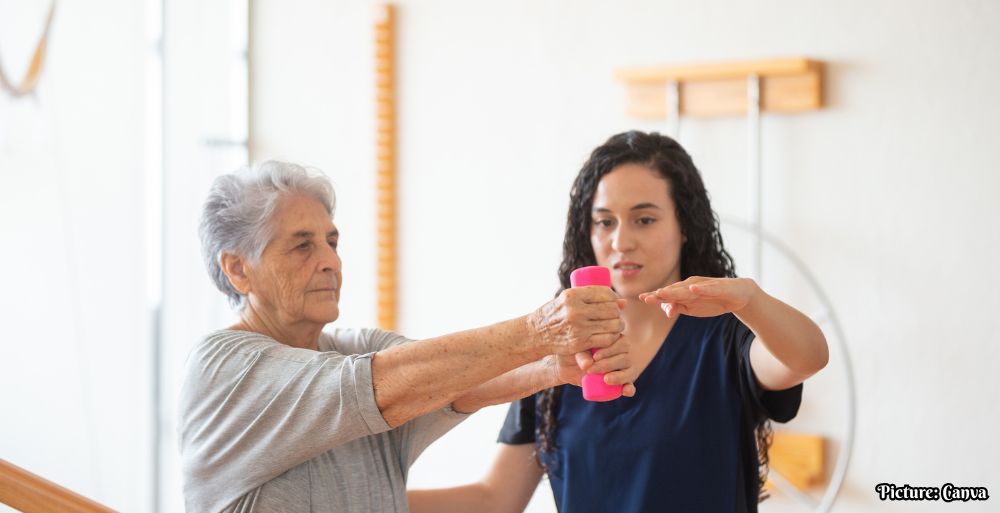
Physical therapists emphasize the importance of specific exercises to maintain strength and flexibility as individuals age, addressing common issues stemming from daily routines.
In a world where sedentary lifestyles have become increasingly common, the importance of maintaining physical strength and flexibility cannot be overstated. Physical therapists across the United States are advocating for a set of exercises that they believe everyone should incorporate into their daily routines to age gracefully and minimize the aches and pains that often accompany growing older.
Recent insights from professionals in the field highlight that many of the physical issues their clients face are directly linked to daily habits. Theresa Marko, a physical therapist based in New York City, notes, “People come in with the same problems over and over again,” indicating a repetitive cycle of physical ailments that could be addressed through better movement practices. She often recommends exercises that counteract the negative effects of prolonged sitting or other sedentary behaviors.
Importance of Balance and Strength
Among the most frequently suggested exercises is standing on one leg, which physical therapists like Conor Nordengren from Wellesley, Massachusetts, argue is crucial for maintaining balance. “Good balance is important for both fitness and everyday life, but it deteriorates with age,” he explains. Standing on one leg strengthens the muscles in the foot, ankle, knee, and thigh while enhancing overall stability in the hips and pelvis. Marko advises incorporating this exercise into daily routines, recommending individuals stand on one leg for at least 30 seconds each day, possibly while waiting for coffee or an elevator.
Practicing Hip Hinges
Another exercise that has gained traction among therapists is the hip hinge, which is vital for everyday activities, including picking up objects from the ground. Dhara Shah, a physical therapist at Emory Healthcare, emphasizes the importance of proper hip movement to avoid back pain. Many individuals tend to round their backs or lock their knees when bending, which can lead to injury. Practicing hip hinges not only strengthens the glutes and hamstrings but also teaches individuals how to bend properly. Shah recommends practicing hip hinges daily, performing two sets of 15 repetitions.
Building Strength with Sit-to-Stand Exercises
Sit-to-stands are another fundamental exercise that targets the muscles necessary for standing up from a seated position, which can become increasingly difficult with age. Experts suggest that this exercise strengthens the quads, glutes, hamstrings, and core muscles, thereby improving overall mobility. To perform a sit-to-stand, one should lower themselves into a chair and stand up slowly. Gradually increasing the difficulty by lowering the body more slowly or using weights can provide additional challenges, with a recommended two sets of 20 repetitions several times a week.
Core Strength through Dead Bugs
Core strength is essential for overall stability and can alleviate the discomfort many people experience in their neck and shoulders due to prolonged sitting. Carrie Pagliano, a physical therapist in Arlington, Virginia, suggests the dead bug exercise, which focuses on the innermost core muscles. This exercise involves lying on one’s back with legs raised at a 90-degree angle and arms extended toward the ceiling. By alternating lowering an arm and opposite leg while practicing diaphragmatic breathing, individuals can strengthen their cores effectively. Pagliano recommends performing two sets of eight repetitions a few times a week.
The Role of Wall Push-Ups
Push-ups are a well-known exercise for building upper body strength, which is crucial for maintaining independence as people age. Nordengren advocates for wall push-ups as a starting point for those who may struggle with traditional push-ups from the floor. These can be performed against a wall or countertop, gradually progressing to lower surfaces as strength builds. Engaging the core and maintaining proper form is key, with the recommendation of completing two sets of 10 repetitions twice a week.
Stretching with Cat-Cow Movements
To counteract the stiffness associated with prolonged sitting, many therapists recommend incorporating the cat-cow stretch into daily routines. This movement involves alternating between arching and curving the back while on all fours, which can help relieve tension in the spine and shoulders. Dr. Alicia Ferriere from Maplewood, New Jersey, suggests that this exercise can enhance mobility and prepare the body for unexpected physical demands.
As individuals engage in these recommended exercises, they are not only addressing immediate physical concerns but also establishing a foundation for long-term health and mobility. The consensus among physical therapists is clear: incorporating these movements into daily life can provide significant benefits, helping individuals maintain their strength and flexibility as they age.





No Comment! Be the first one.