





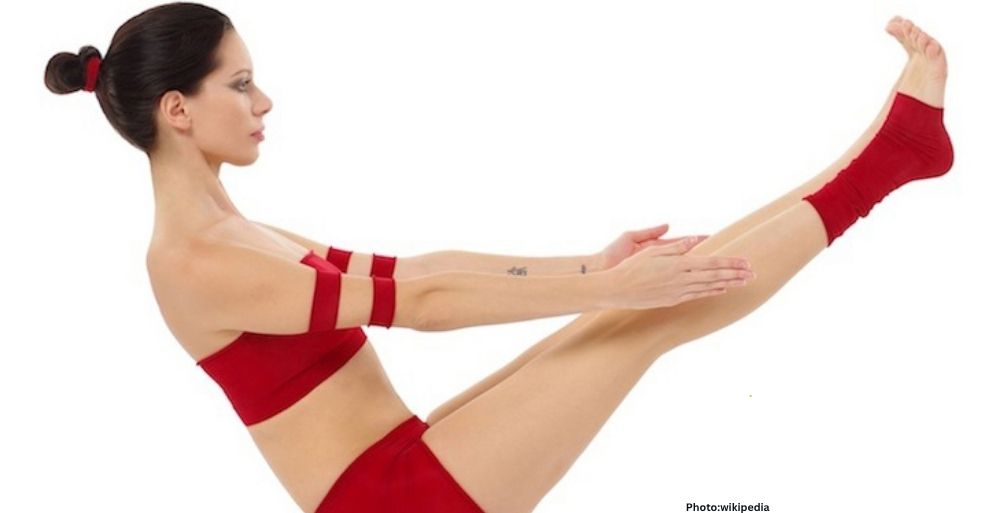
Auburn University research highlights the effectiveness of the yoga pose navasana, or boat pose, revealing its potential to enhance core strength, reduce stress, and improve cognitive function.
Recent studies have illuminated the multifaceted benefits of yoga, particularly focusing on the pose known as navasana, or boat pose. This pose has emerged as a powerful exercise for strengthening the core and promoting holistic wellness. Research conducted at Auburn University in Montgomery has ranked navasana among the most effective core-strengthening exercises not only in yoga but also in Pilates, underscoring its versatility and effectiveness.
Renowned yoga instructor Sharath Jois has made a notable claim regarding the efficacy of navasana, suggesting that holding the pose for 25 breaths—structured into five-breath rounds with rest periods—can yield benefits comparable to performing 100 traditional sit-ups. This assertion highlights the potential for yoga to serve as a viable alternative or complement to conventional fitness regimens.
Core Strength and Functional Benefits
From a physiological perspective, navasana engages multiple muscle groups, providing a comprehensive workout that extends beyond mere aesthetics. Yoga instructor José Martín Fernández explains that this classic stabilization posture tones the abdominal muscles, hip flexors, glutes, pelvic muscles, and back. The engagement of the core not only contributes to visible muscle definition but also has functional benefits, as it stimulates the abdominal organs, aiding digestion and supporting metabolic health.
In addition to these functional advantages, Xua Lang, another experienced yoga teacher, emphasizes that navasana can aid in burning abdominal fat, further highlighting its significance in fitness and overall health. This holistic approach aligns with a growing understanding of the interconnectedness of physical fitness, mental health, and overall well-being.
Stress Reduction and Mental Clarity
The benefits of navasana extend beyond the physical realm, encompassing mental and emotional well-being. Fernández notes that maintaining balance and stability in boat pose can foster willpower and self-confidence. Furthermore, a 2023 study published in the journal Biomedicine provides empirical evidence supporting the stress-relieving qualities of yoga. This research demonstrated that regular practice of yoga and meditation significantly lowered cortisol levels among medical students over a six-week period. Such findings suggest that poses like navasana, which require intense focus, breath control, and internal awareness, may help regulate stress responses and calm the nervous system.
Cognitive Benefits of Balance Exercises
The cognitive advantages of practicing navasana are equally noteworthy. Diana Gil of Solid Studio highlights the critical role of balance exercises in enhancing brain health, asserting that they sharpen concentration and strengthen the neuromuscular connection between breath, core, and pelvic floor. This dual engagement of body and mind not only makes navasana an enjoyable practice but also underscores its potential cognitive benefits, positioning it as a valuable addition to any fitness regimen.
Guidelines for Practicing Navasana
For those interested in incorporating navasana into their fitness routine, proper technique is essential to maximize benefits and minimize the risk of injury. Practitioners should begin in a seated position with their legs extended. From this position, they can bend their knees and lift their feet off the ground, gradually working toward straightening the legs into a V shape if possible. Maintaining a long spine, open chest, and extended arms while gazing slightly upward is crucial for stability.
For beginners, a gentler variation involves keeping the knees bent and holding the position for five to ten deep breaths, repeating up to five rounds. Instructors caution against common mistakes such as rounding the spine instead of lifting through the chest, holding the breath, tensing the shoulders, or attempting to elevate the legs higher than one’s core strength permits. If discomfort arises in the lower back, it may indicate insufficient core engagement or a collapse in spinal alignment. Returning to a bent-knee variation can facilitate safe strength building while ensuring proper posture.
Considerations for Safety
While navasana is generally accessible to many individuals, certain populations should approach this pose with caution. Those with lower back injuries, hip flexor strains, hernias, recent abdominal surgeries, or individuals in specific stages of pregnancy are advised to consult with a qualified instructor or healthcare professional before attempting the posture. This precaution ensures that practitioners can safely engage with the pose and reap its benefits without risking injury.
Conclusion
When practiced mindfully, navasana transcends mere physical exercise; it serves as a comprehensive approach to recalibrating both body and mind. In the tradition of yoga, this pose offers adaptability, welcoming practitioners to engage with it at their own level, whether during a vigorous vinyasa flow or in a quiet, meditative moment. As interest in holistic health approaches continues to rise, navasana stands out as a compelling option for individuals seeking to improve both physical fitness and mental clarity. As research continues to unveil the myriad benefits of yoga, navasana remains a potent reminder of the practice’s ability to transform lives through its emphasis on strength, balance, and mindfulness.






No Comment! Be the first one.