



As individuals progress through different stages of life, their nutritional needs evolve, necessitating tailored dietary choices that support health and well-being during each decade.
Nutrition plays a vital role in maintaining health throughout life. Each decade brings unique physiological changes, calling for specific dietary adjustments to optimize well-being. This article outlines the recommended foods for various age groups, highlighting essential nutrients and their benefits.
Nutrition in Your 20s
In the 20s, many individuals experience heightened physical activity levels, particularly those engaged in sports or other strenuous activities. Adequate protein intake is crucial for muscle development and recovery during this dynamic decade. Recommended sources of protein include lean meats, fish, dairy products, and plant-based options such as beans, lentils, nuts, seeds, and tofu. The inclusion of tofu not only adds protein but also provides dietary fiber, which is often underrepresented in the diets of younger adults.
Carbohydrates serve as the body’s primary source of energy, with complex carbohydrates being particularly beneficial. These are digested more slowly, helping to sustain energy levels and promote feelings of fullness. Foods rich in complex carbohydrates include beans, quinoa, oatmeal, and whole-wheat bread, each contributing to a balanced diet while supporting athletic performance.
Calcium intake is paramount during this decade, as bones reach their maximum size and strength. Dairy products, such as milk, yogurt, and cheese, are excellent sources of calcium and also provide other essential nutrients, including vitamin D and potassium. For those who are lactose intolerant or prefer non-dairy options, fortified plant-based alternatives can serve as effective substitutes.
Iron is another critical nutrient, especially for young women who may be prone to iron deficiency anemia due to menstruation and other factors. Foods rich in iron, such as beans, raisins, spinach, and lean red meat, can help address these needs. It is advisable for individuals to consult healthcare professionals before considering iron supplements, as excessive iron intake can have adverse effects.
Nutrition in Your 30s
As individuals transition into their 30s, nutrition continues to play a pivotal role, particularly for women who may be pregnant or breastfeeding. Omega-3 fatty acids become increasingly important during this period for their benefits to brain and heart health. Low-mercury fish, including salmon, sardines, and trout, are excellent sources of omega-3s and should be included in regular diets.
The health of the gut also assumes greater significance with age. Probiotic-rich foods, such as yogurt, kimchi, and sauerkraut, can support gut health by introducing beneficial bacteria. In addition, prebiotic foods—like onions, garlic, and asparagus—provide nourishment for these good bacteria, contributing to overall digestive health.
Nutrition in Your 40s
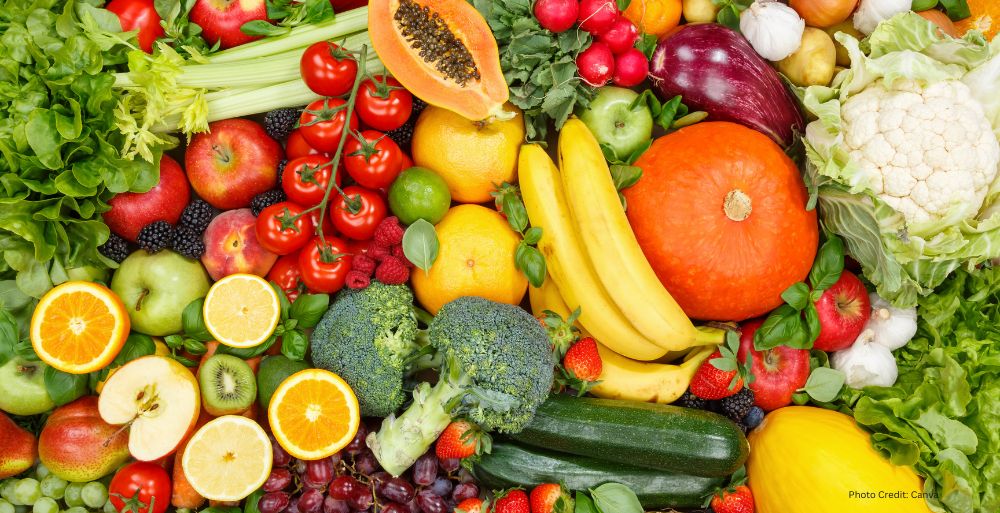
Entering the 40s, individuals should prioritize a diverse range of fruits and vegetables to support overall health. Dark and brightly colored fruits and vegetables are rich in antioxidants, which protect cells from damage and may lower the risk of serious health conditions, including certain cancers. These antioxidants are crucial in combating the oxidative stress associated with aging.
Whole grains should become a dietary staple during this decade, as they provide fiber that promotes satiety and digestive health. High-fiber vegetables, such as broccoli, cauliflower, and Brussels sprouts, are also beneficial, aiding in regularity and contributing to overall well-being.
Nutrition in Your 50s and Beyond
As individuals enter their 50s, they may face increased risks of arthritis and other age-related ailments. Turmeric, known for its anti-inflammatory properties, may help alleviate pain associated with osteoarthritis. Incorporating turmeric into meals—whether on vegetables or meats—can offer health benefits, as research continues to explore its potential in lowering cholesterol and managing symptoms of depression.
Shifting toward more plant-based protein sources can help reduce saturated fat intake, consequently lowering the risk of high cholesterol and heart disease. Beans and lentils, in addition to being rich in protein, provide essential nutrients like magnesium, potassium, and fiber, which contribute to heart health.
Choline is another nutrient of importance for individuals over 50. Eggs serve as one of the best food sources of choline, needed for vital functions including memory, muscle control, and fat metabolism. However, many individuals do not meet the recommended daily intake, emphasizing the need for awareness of this nutrient.
Heart health becomes increasingly critical in later decades. Olive oil, rich in unsaturated fats, is beneficial for cardiovascular health and can enhance the flavor of meals. Incorporating olive oil into cooking—such as tossing vegetables before roasting—can be both delicious and heart-healthy.
Finally, including fruits such as strawberries and blueberries, which are high in anthocyanins, can support healthy blood pressure and vascular function. These fruits are naturally sweet but low in sugar, making them an ideal snack option. It is advisable to consume them at least two to three times a week to reap their health benefits.
In conclusion, nutritional needs vary significantly across the decades of life, and being aware of these changes can help individuals make informed dietary choices to support their health and well-being. Adapting dietary habits to incorporate essential nutrients tailored to each life stage can promote longevity and enhance quality of life.




No Comment! Be the first one.