




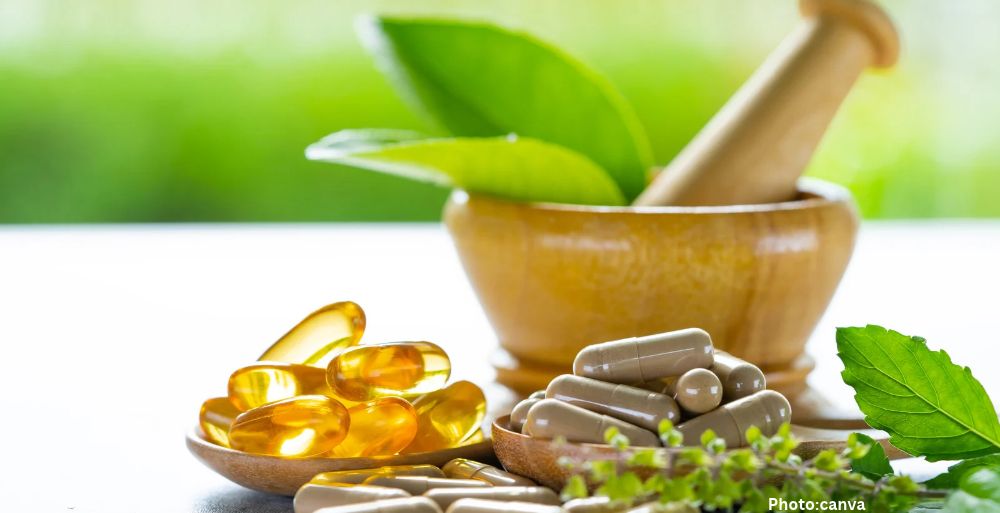
Herbal supplements are increasingly popular for their perceived health benefits, yet many can pose significant risks, especially when used alongside certain medications or health conditions. Consulting healthcare professionals before use is essential for safety.
As the use of herbal supplements becomes more widespread, consumers are drawn to these products for their potential to address a variety of health concerns, ranging from anxiety and depression to chronic pain and inflammation. However, the safety and efficacy of these supplements can vary significantly, raising important questions about their use, particularly among individuals with pre-existing conditions or those taking other medications.
The Rise of Herbal Supplements
The herbal supplement market has seen substantial growth in recent years, driven by consumer interest in natural remedies and alternative medicine. According to a report by the National Center for Complementary and Integrative Health (NCCIH), approximately 18% of adults in the United States have used herbal supplements in the past year. This shift towards herbal remedies is often influenced by a desire for holistic treatment options and a growing skepticism towards pharmaceutical drugs.
Common Herbal Supplements and Their Risks
Among the most widely used herbal supplements is St. John’s Wort, often sought for its potential to alleviate symptoms of depression and anxiety. While some studies suggest it may be effective for mild to moderate depression, St. John’s Wort can also cause side effects such as headaches, nausea, and dry mouth. More critically, it interacts with a host of medications, including antidepressants, blood thinners, and birth control pills. Research has indicated that it may diminish the effectiveness of certain chemotherapy agents, prompting warnings from healthcare professionals about its use in patients undergoing cancer treatment.
Kava is another herbal supplement that has gained popularity for its calming effects. However, it poses significant health risks, particularly concerning liver toxicity. The U.S. Food and Drug Administration (FDA) has received reports linking kava to severe liver damage, leading to recommendations against its use for individuals with liver or kidney issues. Furthermore, combining kava with alcohol or other sedatives can result in dangerous side effects, including respiratory depression.
Ginkgo biloba, often used to enhance cognitive function and circulation, is known for its blood-thinning properties. This characteristic presents a considerable risk for individuals taking anticoagulant medications, as it may increase the likelihood of bleeding complications. A meta-analysis published in the journal PLoS One concluded that while ginkgo might offer some cognitive benefits, the risks associated with its use must be carefully considered.
Severe Side Effects from Herbal Remedies
Some herbal supplements can lead to severe health complications. Comfrey, for example, is sometimes applied topically for pain relief, but ingestion can cause serious liver damage and, in extreme cases, result in coma or death. Ginger, commonly used to treat nausea and digestive issues, can interfere with blood clotting and affect blood pressure, creating potential complications for individuals with diabetes or those on anticoagulant therapy.
Goldenseal, a traditional herbal remedy, may disrupt heart rhythms and lower blood pressure, raising concerns for individuals with cardiovascular conditions or those taking related medications. Its use should be approached with caution, particularly among patients with known heart issues.
Potential Dangers of Ephedra and Ginseng
Ephedra, also known as ma huang, has a long history of use in traditional Chinese medicine. However, studies have revealed that it can significantly increase the risk of cardiovascular problems, including heart attacks and strokes. Due to these serious side effects, the FDA has banned ephedra as a dietary supplement, although it may still be found in some herbal teas and products marketed for weight loss. The dangers associated with ephedra highlight the need for strict regulations and oversight in the herbal supplement industry.
Ginseng, another popular herbal supplement, is often taken to boost energy and enhance immune function. However, it can cause fluctuations in blood sugar levels, posing risks for individuals with diabetes. Additionally, ginseng may interact with blood-thinning medications, further complicating its use among patients requiring anticoagulant therapy.
Women’s Health Considerations
For women experiencing menopause symptoms such as hot flashes, black cohosh is frequently recommended. However, it should be avoided in individuals with liver problems due to its potential to cause liver inflammation or failure. Women with a history of breast cancer are similarly advised to refrain from using black cohosh until more conclusive research is available regarding its effects.
Garlic is commonly used for its potential to lower cholesterol and manage blood pressure. While generally safe for most individuals, garlic can thin the blood, which may increase the risk of bleeding for those on anticoagulant medications.
Consultation with Healthcare Professionals
As the popularity of herbal supplements continues to rise, it is crucial for consumers to engage in informed decision-making. Consulting healthcare professionals before starting any new supplement regimen is particularly important for those with pre-existing health conditions or who are taking prescription medications. Healthcare providers can offer insights into potential interactions and help individuals weigh the risks and benefits of specific herbal supplements.
In conclusion, while herbal supplements may seem like a safer alternative to conventional medications, they can pose significant health risks. Consumers are advised to approach these products with caution and to seek professional guidance to ensure their safety and efficacy. As research continues to evolve, understanding the complexities of herbal supplements will be essential for making informed health choices.




No Comment! Be the first one.