





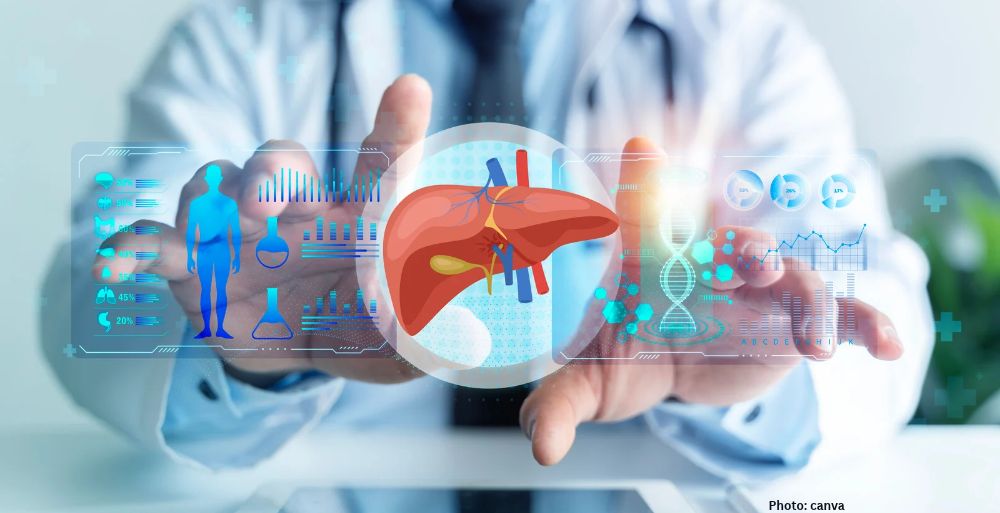
Effective management of fatty liver disease requires a multifaceted approach that integrates diet, exercise, and potential medication, with personalized treatment plans recommended by healthcare professionals.
Fatty liver disease, characterized by excessive fat accumulation in the liver, has emerged as a significant health concern in contemporary society, closely linked to rising obesity rates and sedentary lifestyles. Recent estimates suggest that non-alcoholic fatty liver disease (NAFLD) affects up to 25% of adults in the United States. Treatment strategies primarily focus on achieving a healthy weight through lifestyle modifications, with the medication resmetirom (marketed as Rezdiffra) emerging as a potential adjunct to these changes. However, healthcare experts emphasize that lifestyle adjustments remain paramount.
Understanding Fatty Liver Disease
Fatty liver disease can take various forms, with NAFLD being the most prevalent. This condition often coincides with insulin resistance—a metabolic disorder where the body produces insulin but cannot utilize it effectively, resulting in elevated blood glucose levels. Excessive glucose in the bloodstream is converted into fat and stored in the liver, leading to potential liver damage over time.
Dietary Approaches
Nutrition plays a crucial role in the management of fatty liver disease. Experts advocate for a predominantly plant-based diet, which has shown effectiveness in enhancing insulin sensitivity and promoting weight loss. Among various dietary patterns, the Mediterranean diet stands out due to its emphasis on healthy fats, antioxidants, and complex carbohydrates that support liver health. Although this dietary approach was not specifically designed for fatty liver patients, its components are beneficial for reducing liver fat.
Key components of the Mediterranean diet include:
- Fish and seafood, rich in omega-3 fatty acids
- Fruits and vegetables, particularly berries and leafy greens
- Whole grains, which provide essential fiber
- Nuts and legumes, offering healthy fats and protein
- Olive oil, a primary source of monounsaturated fats
- Avocados, known for their healthy fat content
In contrast, it is essential to limit or avoid certain dietary components that can exacerbate liver fat accumulation. These include:
- Saturated fats from sources such as red meat, full-fat dairy products, and fried foods
- Added sugars found in sugary beverages, candies, and processed snacks
Enhancing Insulin Sensitivity through Diet
Incorporating healthy fats into one’s diet can improve insulin utilization. Recommended sources of beneficial fats include:
- Omega-3 fatty acids, found in fatty fish (like salmon and mackerel), flaxseeds, and walnuts
- Monounsaturated fats, derived from olives, avocados, and certain nuts
Conversely, saturated fats should be minimized, as they are linked to increased fat deposits in the liver. Foods to avoid include certain poultry, full-fat dairy products, and processed baked goods that contain trans fats.
Role of Antioxidants and Supplements
Alongside dietary modifications, antioxidants can play a protective role in combating cellular damage associated with fatty liver disease. Foods rich in antioxidants include:
- Coffee and green tea, known for their beneficial properties
- Berries, which are high in anthocyanins
- Vegetables, particularly those with vibrant colors
- Vitamin E-rich foods, such as sunflower seeds and almonds
Research is ongoing regarding various supplements that may support liver health. Notable mentions include:
- Goji berries: Traditionally used in Chinese medicine, they may assist in waist reduction, though further studies are needed.
- Resveratrol: Found in the skins of red grapes, it possesses anti-inflammatory properties, though its efficacy can vary based on dosage.
- Selenium: A mineral present in Brazil nuts and fish, typically consumed in sufficient amounts through dietary sources.
- Milk thistle: Often marketed for liver health, its effectiveness remains a topic of debate among researchers.
- Berberine: A plant used in traditional medicine, preliminary findings suggest potential benefits for cholesterol and blood sugar control.
Consultation with healthcare professionals is crucial prior to introducing any supplements, as they may interact with prescribed medications or lead to adverse effects.
Weight Management and Physical Activity
Weight management is a critical component in the treatment of fatty liver disease. Research indicates that even a modest reduction of 5% to 10% of body weight can significantly decrease liver fat and inflammation. Healthcare professionals recommend gradual weight loss—ideally at a rate of 1 to 2 pounds per week—to avoid complications associated with rapid weight loss.
Physical activity is equally important. The American College of Sports Medicine suggests that individuals engage in at least 150 minutes of moderate-intensity aerobic exercise weekly, coupled with resistance training on two or more days per week. Regular physical activity has been shown to reduce liver fat and enhance overall metabolic health.
Monitoring Overall Health
Managing other chronic health conditions, such as diabetes, is vital in the context of fatty liver disease. Adhering to prescribed medications and routinely monitoring blood sugar levels can mitigate complications and improve liver function.
In conclusion, the management of fatty liver disease necessitates a comprehensive approach that combines dietary changes, exercise, and potentially medication. Healthcare providers play a pivotal role in guiding patients through personalized treatment plans tailored to individual health needs and lifestyle considerations. As awareness of fatty liver disease continues to grow, public health initiatives emphasizing healthy living and diet may contribute to reducing its prevalence and associated health risks.





No Comment! Be the first one.