





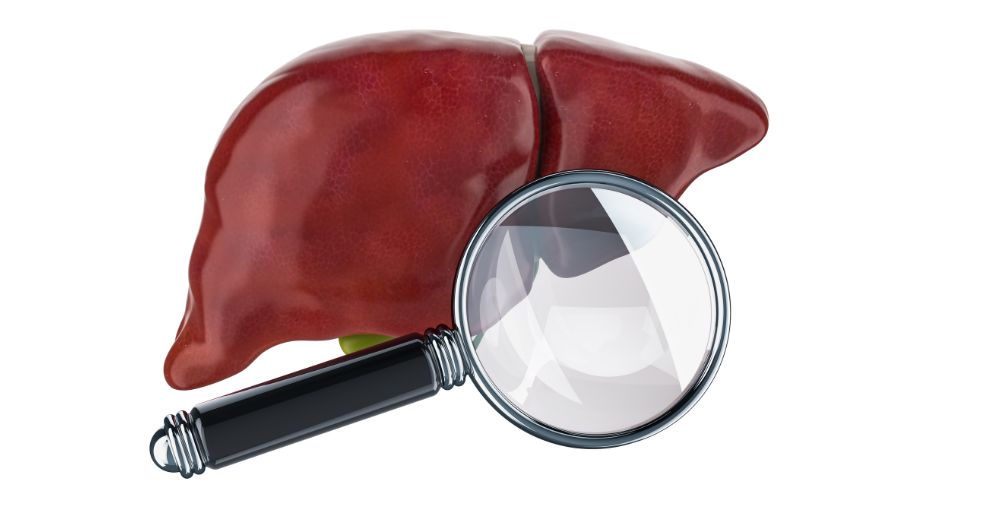
Many widely used over-the-counter (OTC) medications can pose risks to liver health, particularly if taken in excessive doses or over prolonged periods. It is crucial for consumers to be aware of these risks and consult healthcare providers when necessary.
Over-the-counter (OTC) medications are commonly used to alleviate pain, relieve cold symptoms, and address various health issues. However, certain OTC drugs can adversely affect liver health, leading to toxicity, inflammation, or even severe liver failure. Pain relievers such as acetaminophen and nonsteroidal anti-inflammatory drugs (NSAIDs) like ibuprofen and naproxen are particularly noteworthy in this regard. The liver is responsible for metabolizing these substances, and excessive consumption can overwhelm its capacity to process them safely.
Understanding Acetaminophen Risks
Acetaminophen, often recognized by the brand name Tylenol, is a leading choice for pain relief and fever reduction. While effective when used correctly, the medication can cause significant liver damage if consumed in excessive quantities. The liver metabolizes acetaminophen, but high doses can lead to the accumulation of toxic metabolites, resulting in damage to liver cells. Symptoms of acetaminophen overdose may include fatigue, nausea, vomiting, and jaundice, which is characterized by yellowing of the skin and eyes. It is essential for individuals to adhere strictly to recommended dosages and to avoid alcohol consumption when taking acetaminophen, as the combination can exacerbate liver damage.
Acetaminophen is present in numerous medications beyond Tylenol, including popular cold and flu remedies such as DayQuil, NyQuil, and certain formulations of Mucinex, as well as pain relievers like Excedrin and Alka-Seltzer Plus. Given its pervasive presence in OTC products, individuals must remain vigilant about their total acetaminophen intake, especially when using multiple medications concurrently. Consulting a pharmacist or healthcare provider can provide clarity and guidance regarding safe dosage limits.
The Impact of NSAIDs: Ibuprofen and Naproxen
Ibuprofen, marketed under brand names including Advil and Motrin, is another commonly used NSAID for pain relief and inflammation management. While it is generally safe when used as directed, long-term or excessive use can lead to liver damage. Under normal circumstances, the liver efficiently metabolizes ibuprofen, but high dosages increase the risk of liver toxicity. Symptoms mirroring those of acetaminophen overdose can manifest, necessitating immediate cessation of the medication and consultation with a healthcare provider if adverse effects occur.
Naproxen, known by brand names such as Aleve, Anaprox, and Menstridol, also poses similar risks to liver health. While effective in reducing pain and inflammation, prolonged use or high doses can lead to liver toxicity. As with ibuprofen, it is crucial for individuals with existing liver conditions or those taking other liver-affecting medications to exercise caution with naproxen. Healthcare providers can recommend the safest options for managing pain while protecting liver health.
Aspirin: A Double-Edged Sword
Aspirin is frequently utilized for pain relief and to mitigate inflammation. However, its impact on liver health warrants attention, particularly among individuals with preexisting liver conditions, such as fatty liver disease. Low doses of aspirin are generally considered safe; however, high doses or extended use may lead to liver toxicity. Symptoms indicative of potential liver damage include nausea, vomiting, and jaundice. Consulting a healthcare provider is advisable for those with liver concerns before starting or continuing aspirin therapy.
Decongestants and Liver Function
Pseudoephedrine, commonly found in decongestants like Sudafed, poses additional risks for individuals with advanced liver disease. Impaired liver function can cause elevated levels of pseudoephedrine in the bloodstream, resulting in toxicity. Some formulations of Sudafed also contain acetaminophen, compounding the risk for liver damage. Individuals with liver disease are urged to consult healthcare providers before using pseudoephedrine or any other OTC medications to identify safer alternatives for symptom management.
Supplements: An Often Overlooked Risk
In addition to conventional medications, many individuals turn to dietary supplements for perceived health benefits. However, certain supplements, including kava, green tea extract, comfrey, and black cohosh, have been associated with liver damage. Unlike medications, dietary supplements are not always strictly regulated, leading to concerns about their safety and effectiveness. Overuse or combining multiple supplements can overwhelm the liver’s capacity to process them, resulting in toxicity and potential liver damage. Consultation with healthcare providers is highly recommended before initiating any new supplement regimen, especially for individuals with existing liver issues or those taking prescription medications.
In summary, while OTC medications and supplements are often seen as safe and effective solutions for common ailments, awareness of their potential liver-related risks is vital. Individuals are advised to follow dosage instructions closely and consult healthcare professionals when managing their health, particularly if they have preexisting liver conditions or are taking multiple medications.





No Comment! Be the first one.