





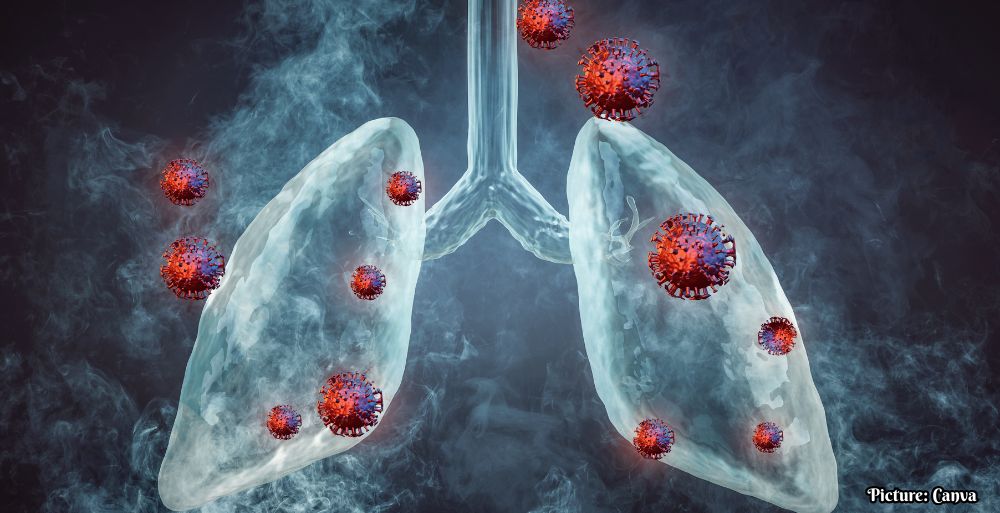
In a promising development for small cell lung cancer treatment, Zai Lab Limited has announced encouraging early-stage clinical trial results for its investigational therapy, zocilurtatug pelitecan (zoci), demonstrating significant tumor response rates when combined with immunotherapy.
CAMBRIDGE, Mass. — Zai Lab Limited has reported favorable outcomes from an early-stage clinical trial of its experimental cancer treatment, zocilurtatug pelitecan (zoci), particularly in patients diagnosed with extensive-stage small cell lung cancer (SCLC). The findings, which will be presented at the upcoming European Society for Medical Oncology (ESMO) Congress 2026 in Madrid, Spain, indicate high tumor response rates and promising durability when zoci is administered in conjunction with the immunotherapy drug atezolizumab.
Trial Overview and Results
The global Phase 1b study assessed the efficacy of zoci, previously known as ZL-1310, in combination with atezolizumab, and also in combination with the chemotherapy agent carboplatin, as a first-line treatment for patients with extensive-stage SCLC. According to Zai Lab, patients who received the recommended Phase 3 dose of zoci at 1.6 mg/kg along with atezolizumab exhibited a confirmed objective response rate of 81.8%, with 27 out of 33 patients demonstrating measurable tumor shrinkage.
Moreover, the six-month progression-free survival rate reached an impressive 81.9%, indicating that approximately eight out of ten patients remained alive without disease progression at that time. Among the subgroup of 15 patients who were monitored for at least six months, the median progression-free survival and median duration of response had not been reached after a median follow-up period of 10 months. Notably, ten of these 15 patients, or 66.7%, remained free from disease progression or death as of the data cutoff in September 2026.
Expert Commentary on Treatment Efficacy
Dr. Rafael G. Amado, president and head of global research and development at Zai Lab, emphasized the significance of these results, stating, “Despite advances in treatment, extensive-stage small-cell lung cancer remains a devastating disease, with many patients experiencing disease progression within approximately five months of initiating standard first-line treatment. The high confirmed response rate, encouraging durability, and well-tolerated safety profile we are seeing with a standard chemotherapy-free regimen are particularly compelling.”
Dr. Amado further indicated that the combination of zoci and atezolizumab may position zoci as a preferred treatment option in SCLC, stating, “We believe zoci’s combination of efficacy and safety positions it to become an ADC backbone of choice in small-cell lung cancer, including in combination with immunotherapies.”
Side Effects and Safety Profile
Zai Lab reported that the two-drug regimen was generally well tolerated among participants, with most treatment-related adverse events classified as mild or moderate. Severe adverse events related to zoci occurred in 9.1% of patients receiving the 1.6 mg/kg dose, with no patients discontinuing treatment due to side effects. One mild case of interstitial lung disease or pneumonitis was noted.
Commonly reported side effects included anemia, nausea, decreased white blood cell counts, a reduced appetite, and elevated liver enzymes. Researchers also examined a three-drug combination of zoci, atezolizumab, and carboplatin in 13 patients at varying dosing levels. This combination achieved an objective response rate of 92.3%, with median progression-free survival of 8.4 months and median duration of response of 7.7 months. However, the addition of carboplatin resulted in significantly higher incidences of severe adverse events, with 76.9% of patients receiving the three-drug regimen experiencing grade 3 or higher treatment-emergent adverse events compared to 21.2% in the two-drug combination group.
Future Research Directions
The findings from this trial suggest that the chemotherapy-free combination of zoci and atezolizumab may provide a viable treatment approach with fewer serious side effects. However, larger randomized studies will be necessary to confirm the effectiveness and safety of this regimen relative to existing therapies.
Dr. Pedro Rocha, a study investigator and medical oncologist at Vall d’Hebron University Hospital in Barcelona, Spain, noted the importance of these early findings, stating, “The zoci and atezolizumab doublet demonstrated substantial early antitumor activity with high, durable responses and a favorable safety profile, which are very encouraging results for patients with extensive-stage small cell lung cancer.” He added, “Importantly, this platinum-free regimen may allow patients to stay on treatment longer with potentially fewer side effects.”
Zai Lab plans to initiate a global, randomized Phase 3 clinical trial evaluating zoci in combination with an immuno-oncology treatment by the end of 2026. The company is also exploring additional combinations involving zoci, including therapies aimed at engaging the immune system’s T cells to combat cancer. It is important to note that zoci remains an investigational treatment, and its long-term clinical benefits and safety profile have yet to be established in a randomized Phase 3 study.




No Comment! Be the first one.