





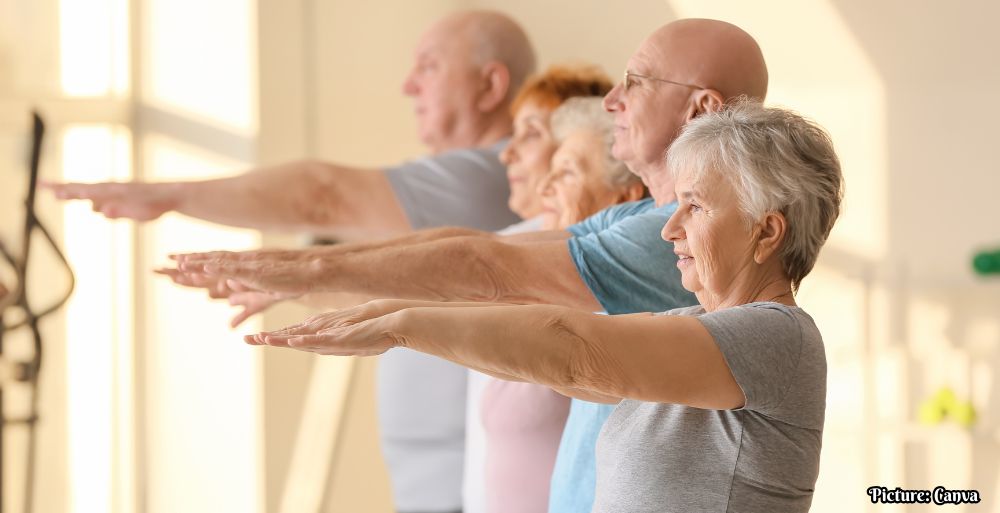
Regular physical activity is crucial for older adults, significantly reducing the risk of chronic diseases and improving overall well-being, according to health experts.
As the global population continues to age, the significance of physical activity among older adults has become an increasingly important public health issue. Approximately 3.2 million individuals die each year due to physical inactivity, underscoring the urgent need for promoting regular exercise, particularly in older demographics. Health professionals emphasize that even moderate levels of activity can greatly enhance quality of life, making it crucial for older adults to remain active.
Physical Activity Guidelines
Health experts recommend that older adults aim for at least 150 minutes of moderate aerobic activity each week. This could include activities such as brisk walking, leisurely cycling, or even engaging in household chores like lawn mowing or intensive cleaning. Notably, these activities do not need to be completed in large blocks; they can be broken down into smaller segments throughout the day, making it easier for individuals with busy schedules to incorporate activity into their lives.
Benefits of Exercise for Older Adults
Exercise offers numerous health benefits that go beyond just physical fitness. Regular physical activity can significantly lower the risks associated with heart disease, stroke, and other chronic conditions such as diabetes and arthritis. Moreover, the incorporation of flexibility exercises, alongside endurance, strength, and balance training, is essential for maintaining overall health as one ages. Many older adults experience stiffness and reduced mobility, which can be alleviated through stretching and activities like yoga, as well as targeted exercises that focus on enhancing flexibility.
Experts caution that older adults should consult with their healthcare providers before starting any new exercise regimen, especially if they have been inactive or have existing health issues. Doctors can provide tailored advice on appropriate exercises and the duration needed to ensure safety and effectiveness. For those just beginning their journey towards a more active lifestyle, low-intensity exercises are recommended to ease into a routine.
Scientific Insights on Aging and Exercise
Recent studies highlight that engaging in certain exercises, such as cycling on a stationary bike, may slow cellular decline associated with aging. This suggests that the benefits of exercise can be realized at any stage of life, reinforcing the notion that it is never too late to start. Regardless of prior inactivity or fitness levels, individuals can experience positive changes from regular exercise.
Social Support and Community Engagement
Participation in physical activities can be enhanced through social engagement. Studies indicate that having a workout partner or joining a community group can significantly improve motivation and accountability. For many older adults, camaraderie and support from peers can help sustain their commitment to a more active lifestyle. However, some individuals may prefer solitary activities, and it is essential for them to find enjoyable pursuits that keep them engaged.
Time Management and Exercise
Commonly cited obstacles to exercise include busy schedules filled with family responsibilities, work commitments, and household chores. Despite these challenges, the health benefits associated with a minimum of 150 minutes of moderate aerobic activity each week highlight the need for prioritizing physical activity. Older adults are encouraged to assess their schedules and identify opportunities for integrating exercise into their daily routines.
Comprehensive Health Benefits
Engaging in regular exercise is not solely beneficial for cardiovascular health; it also supports lung function, muscle strength, and the overall circulatory system. The potential for lower blood pressure, improved bone and joint health, and reduced risks of conditions such as colon cancer and diabetes are all compelling reasons for older adults to remain physically active.
Preventing Falls through Balance Exercises
Falls pose a significant risk for older adults, but incorporating exercises that promote balance can reduce this risk. Simple balance exercises can be performed in various settings, making them accessible for older adults. Healthcare providers can recommend specific activities that enhance stability and prevent falls, which are a leading cause of injury in this demographic.
Cognitive Benefits of Exercise
Exercise has also been linked to improved mental health outcomes. Research indicates that regular physical activity can help mitigate mental health issues such as depression and anxiety. Furthermore, it can enhance cognitive functions, enabling older adults to better manage daily tasks and maintain focus.
In conclusion, the overwhelming evidence supporting the benefits of physical activity for older adults highlights the importance of integrating exercise into daily life. With the right guidance and support, older individuals can significantly enhance their health and well-being, proving that it is never too late to start moving.




No Comment! Be the first one.