




Global Leaders Prepare for COP31 Climate Summit Amid Rising Environmental Disasters

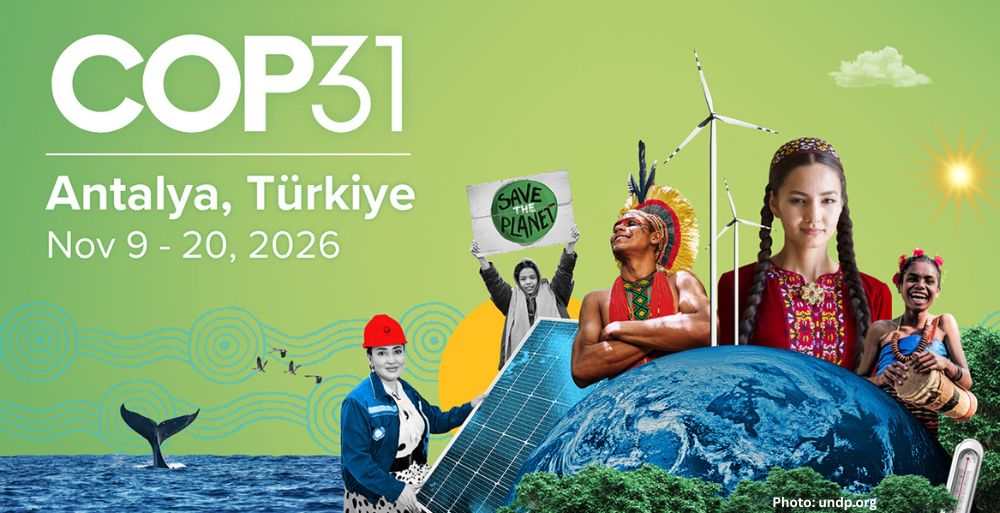
The upcoming COP31 climate summit in Türkiye is positioned to address urgent environmental issues as global climate disasters rise, with leaders called to turn commitments into actionable solutions for vulnerable communities.
As climate-related disasters escalate worldwide, the 31st Conference of the Parties (COP31) to the United Nations Framework Convention on Climate Change (UNFCCC) is set to take place from November 9 to 20 in Antalya, Türkiye. This summit presents a critical opportunity for global leaders to confront pressing environmental challenges, particularly in light of recent catastrophic events that have underscored the dire implications of climate change.
At a high-level meeting held at UN Headquarters, General Assembly President Khalilur Rahman highlighted the gravity of the climate crisis by referencing the devastation witnessed in Nepal, where severe weather conditions have resulted in significant loss of life and property. He painted a vivid picture of the challenges facing vulnerable communities, stating, “Scientists had long warned that such events were becoming a reality, yet none of us were prepared for the shocking footage.” Rahman emphasized that the current trajectory of climate policy could lead to global temperatures rising by 2.8°C above pre-industrial levels, a figure that starkly contrasts with the Paris Agreement’s goal of limiting warming to well below 2°C.
“Behind these figures are families uprooted, children missing, women walking farther for water, and communities confronting losses they cannot bear,” Rahman added, calling on delegates to ensure that COP31 transcends mere negotiations and serves as a testament to effective multilateral action that restores trust in international commitments.
Financial Commitments and Climate Action
As the host nation, Türkiye has outlined an ambitious agenda for COP31, focusing on accelerating clean energy initiatives, reducing methane emissions, and enhancing climate resilience. A pivotal element of this agenda is the Climate Implementation Bridge, developed in collaboration with the UN Development Programme (UNDP). This initiative aims to transform national climate commitments into investment-ready projects and connect them with necessary financing.
Ahmet Yıldız, Türkiye’s Ambassador to the UN, stated, “The issue is not simply the overall volume of finance. It is also whether finance is available, accessible, affordable, and predictable.” This concern resonates particularly with Pacific island nations, where rising sea levels and extreme weather events pose immediate threats to homes, livelihoods, and infrastructure.
Australia, which is co-leading the COP31 negotiations alongside Türkiye, has underscored the importance of engaging with vulnerable communities to restore trust through actionable climate initiatives. Australian Ambassador James Larsen remarked, “By listening to our most vulnerable communities, partnering with those in need, and accelerating the implementation of practical initiatives, I believe we can restore trust through climate action.”
Challenges in Negotiations
The road to effective climate action at COP31 is fraught with challenges, particularly regarding financial commitments and the equitable distribution of resources. Brazil, which hosted COP30, has identified three primary objectives for the upcoming conference: operationalizing the new just transition mechanism, improving the measurement of progress on adaptation efforts, and expanding climate investment in developing countries grappling with significant debt challenges.
Ambassador Sérgio França Danese of Brazil emphasized the need for viable solutions that would expand fiscal space for climate investment amidst severe fiscal constraints and high levels of indebtedness faced by many nations. The question of who pays for climate action—and who benefits—remains a contentious issue, particularly for Ethiopia, which is set to host COP32. Ambassador Tesfaye Yilma Sabo highlighted that while Africa contributes only about three percent of global greenhouse gas emissions, it faces some of the most severe repercussions of climate change.
“Delayed action carries a compounding cost for developing countries. The pace of action matters because the gap between current plans and what the science requires remains significant,” Sabo warned, emphasizing the critical interplay between financing, technology access, and the equitable distribution of climate-related benefits.
Looking Ahead to COP31
World leaders will gather for a special summit in Antalya on November 11 and 12, where negotiations will be closely monitored to assess whether climate commitments can be effectively transformed into tangible actions that benefit the most at-risk communities. The success of COP31 will not solely be judged by the pledges made within negotiating rooms; rather, it will hinge on the real-world impacts of those commitments on vulnerable populations globally.
“Let COP31 be judged not by promises we repeat, but by the people we protect. That is how we restore trust,” Rahman concluded, reinforcing the urgent need for accountability in climate action as the world grapples with unprecedented environmental challenges.
The stakes are high as the summit approaches, with mounting evidence of climate change’s impacts. As nations prepare for COP31, the effectiveness of their collective responses may well determine the future resilience of communities facing the harsh realities of climate change.



No Comment! Be the first one.