




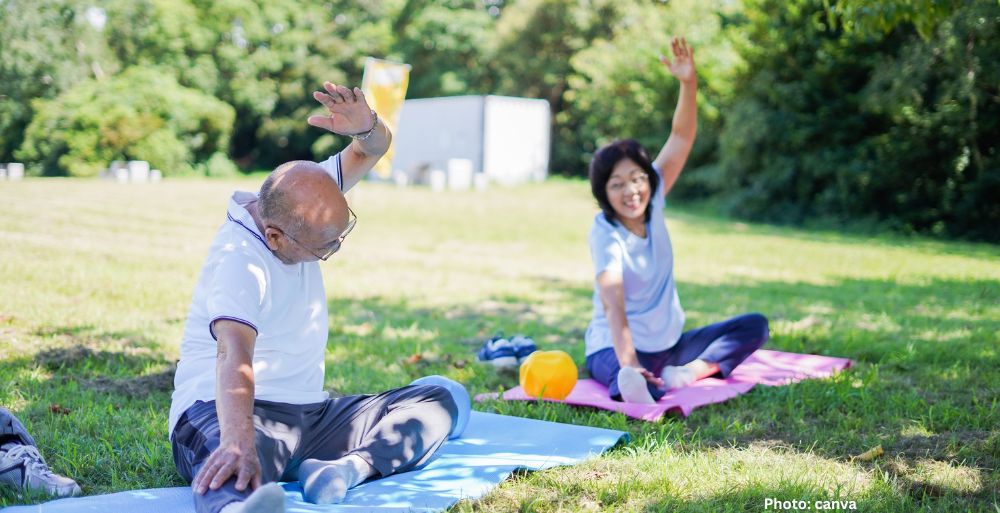
As individuals age, particularly after 55, the effects of prolonged sitting can significantly impact mobility and strength. Incorporating specific exercises into daily routines can help mitigate these effects and promote better movement and overall well-being.
In light of the growing concerns regarding sedentary lifestyles, particularly among individuals over the age of 55, health experts emphasize the importance of integrating targeted exercises into daily routines. Prolonged periods of sitting have been linked to various health issues, including decreased mobility, increased stiffness, and weakened muscles. Addressing these changes is crucial for maintaining quality of life as individuals age.
Research suggests that regular physical activity can counteract the negative effects of sitting. For older adults, particularly those who have spent years in sedentary occupations, targeted strength training can be instrumental in rebuilding essential muscle strength and enhancing mobility. This article outlines five recommended exercises that can be easily incorporated into daily routines, each designed to address specific areas of weakness commonly observed in individuals who lead sedentary lifestyles.
Goblet Squat
The goblet squat is an effective exercise for strengthening the thighs and glutes, which are essential for daily activities such as standing up from a chair. This exercise involves holding a dumbbell close to the chest while performing a squat, providing added resistance to promote muscle engagement.
Muscles Trained: Quads, glutes, hamstrings, core.
How to Do It: Hold a dumbbell vertically at your chest, stand with feet shoulder-width apart, bend your knees, and sit your hips back until your thighs reach parallel (if comfortable). Press through your feet to return to standing. Aim for 2 to 3 sets of 8 to 12 repetitions, resting for 45 to 60 seconds between sets.
Bodyweight Glute Bridge
The bodyweight glute bridge targets the glutes and hamstrings, which are often underutilized due to prolonged sitting. This exercise involves lying on your back and lifting the hips, effectively re-engaging these crucial muscles.
Muscles Trained: Glutes, hamstrings, abs.
How to Do It: Lie on your back with knees bent and feet flat on the floor. Press through your heels to lift your hips until they are level, then lower with control. Perform 2 to 3 sets of 10 to 15 repetitions, resting for 30 to 45 seconds between sets.
Standing Band Row
This exercise helps strengthen the upper back and shoulders, which can weaken due to excessive forward-reaching postures common in desk jobs. The standing band row can be performed with a resistance band, making it a practical choice for individuals working from home or in an office setting.
Muscles Trained: Upper back, lats, rear shoulders, biceps.
How to Do It: Anchor a resistance band at chest height and hold one end in each hand. Step back to create tension, then pull your elbows back toward your sides before returning to the starting position. Aim for 2 to 3 sets of 10 to 15 repetitions, resting for 30 to 45 seconds.
Supported Reverse Lunge
The supported reverse lunge is beneficial for enhancing single-leg strength, which is essential for activities such as stair climbing and walking. This exercise allows individuals to practice balance and strength with support, making it accessible for those who may feel unstable.
Muscles Trained: Quads, glutes, hamstrings, calves, core.
How to Do It: Stand beside a sturdy chair for support, step one foot back into a lunge, and press through the front foot to return to standing. Perform 2 to 3 sets of 6 to 10 repetitions per side, resting for 45 to 60 seconds.
Dead Bug
The dead bug exercise focuses on core stability, which is crucial for maintaining posture and balance, especially after long periods of sitting. This exercise involves alternating movements of the arms and legs while keeping the core engaged.
Muscles Trained: Abs, hip flexors, deep core.
How to Do It: Lie on your back with knees lifted over hips and arms extended towards the ceiling. Engage your core while extending one leg and the opposite arm away from your body before returning to the start. Aim for 2 to 3 sets of 6 to 10 repetitions per side, resting for 30 to 45 seconds.
Additional Recommendations for Active Living
While strength exercises are vital, modifying daily habits to reduce prolonged sitting can yield significant health benefits. Experts recommend several strategies to encourage more movement throughout the day:
- Take regular breaks from sitting every hour, engaging in standing or walking activities.
- Incorporate walking into weekly routines to complement strength training.
- Utilize desk breaks to perform a quick set of exercises such as squats or lunges.
- Gradually increase strength training sessions from two to three days per week, based on comfort levels.
- Consider varying positions throughout the day, alternating between sitting, standing, and moving.
- Monitor improvements in daily activities, such as enhanced ease of standing from chairs or reduced stiffness, as indicators of progress.
In conclusion, addressing the physical ramifications of a sedentary lifestyle is crucial for individuals aged 55 and older. By incorporating targeted exercises and modifying daily habits, individuals can significantly improve their strength, mobility, and overall well-being.


No Comment! Be the first one.