





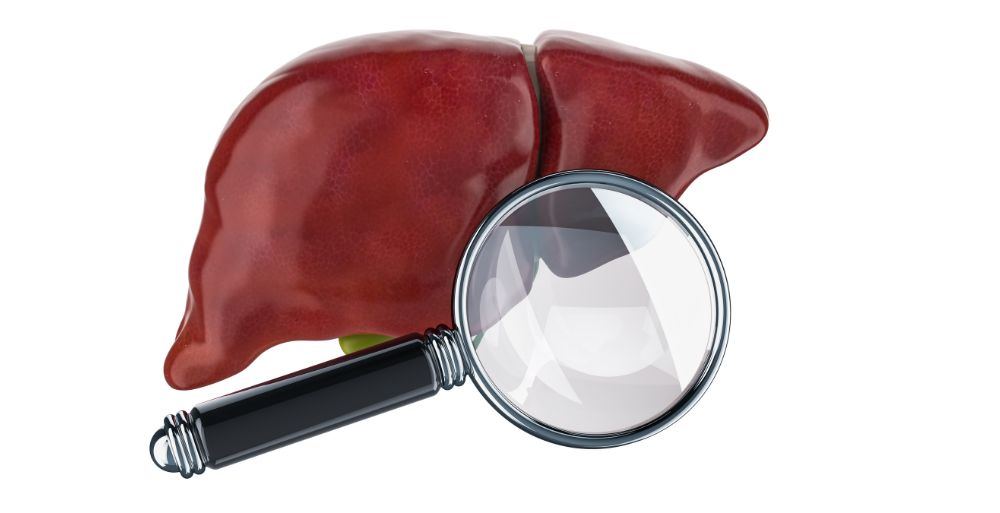
Cirrhosis is a severe liver disease characterized by scarring and impaired liver function, with multiple underlying causes including alcohol consumption, viral infections, and metabolic disorders.
Cirrhosis is a progressive liver disease that results in the replacement of healthy liver tissue with scar tissue, leading to significant impairment of liver function. The disease can arise from a variety of factors, including chronic alcohol consumption, viral infections such as hepatitis, and metabolic disorders. If left untreated, cirrhosis can progress to liver failure, a serious condition that can be life-threatening.
Overview of Cirrhosis
In the early stages, cirrhosis may not present any noticeable symptoms, making it a silent but dangerous condition. As the disease advances, individuals may begin to experience a range of symptoms including persistent fatigue, diminished appetite, and jaundice, which is characterized by yellowing of the skin and eyes. Other symptoms may include easy bruising, dark urine, swelling in the abdomen and legs due to fluid retention, and cognitive impairments often described as ‘brain fog.’ These symptoms reflect the liver’s declining ability to perform its essential functions, including detoxification and protein synthesis.
Primary Causes of Cirrhosis
Excessive alcohol consumption is one of the leading causes of cirrhosis. Chronic drinking, defined as consuming more than one or two alcoholic drinks daily over several years, can lead to liver inflammation and fat accumulation, ultimately resulting in cirrhosis. It is important to note that individual tolerance levels vary; therefore, there is no universally “safe” amount of alcohol.
Another significant contributor to cirrhosis is metabolic dysfunction-associated steatotic liver disease (MASLD), previously known as non-alcoholic fatty liver disease (NAFLD). This condition is characterized by fat accumulation in the liver unrelated to alcohol intake, with risk factors that include obesity, type 2 diabetes, high cholesterol, and hypertension. If this fat accumulation leads to inflammation, it is classified as metabolic dysfunction-associated steatohepatitis (MASH), which can lead to cirrhosis if not properly managed.
Viral infections, particularly hepatitis C, are also prevalent causes of cirrhosis. The hepatitis C virus is transmitted primarily through contact with infected blood and can cause chronic liver inflammation. Other factors contributing to liver damage include autoimmune diseases, certain medications (such as methotrexate and isoniazid), and exposure to environmental toxins. Genetic predispositions can play a role as well, with inherited conditions leading to excessive fat or iron accumulation in the liver.
Diagnosis of Cirrhosis
Diagnosing cirrhosis typically involves a comprehensive medical history, physical examination, and a series of diagnostic tests. Healthcare providers often perform blood tests to assess liver function and determine the extent of liver damage. Imaging techniques such as ultrasounds, X-rays, or MRIs are commonly used to visualize the liver’s condition and identify structural abnormalities. In certain cases, a liver biopsy may be conducted, allowing for a microscopic examination of liver tissue to confirm the diagnosis and assess the severity of scarring.
Management and Treatment Options
Currently, there is no cure for the scarring caused by cirrhosis, but various treatment options exist to manage the condition and slow its progression. Management strategies largely depend on the underlying cause of liver damage. For individuals struggling with alcohol addiction, rehabilitation programs and counseling can play a critical role in recovery. Weight loss and lifestyle modifications are recommended for those diagnosed with MASLD, as they can significantly improve liver health.
Antiviral medications may be prescribed for individuals with viral hepatitis to help reduce liver inflammation and prevent further damage. In cases where bile ducts are obstructed, medications or minimally invasive surgical procedures may be employed to alleviate the blockage. Additionally, healthcare providers may prescribe medications to manage autoimmune conditions or other disorders that affect the liver.
Long-term Implications and Preventive Measures
Understanding the multifaceted causes and symptoms of cirrhosis is essential for early detection and intervention. Individuals at higher risk—particularly those with a history of heavy alcohol use, viral hepatitis, or metabolic disorders—are advised to consult healthcare professionals for regular monitoring and preventive care. Lifestyle changes, such as maintaining a healthy diet, engaging in regular physical activity, and avoiding alcohol, can significantly reduce the risk of developing cirrhosis.
Moreover, public health initiatives aimed at educating individuals about the risks associated with alcohol consumption and the importance of safe injection practices can help mitigate the prevalence of cirrhosis related to hepatitis infections. Awareness campaigns regarding the dangers of metabolic disorders and their connection to liver health are also vital.
Conclusion
In conclusion, cirrhosis is a complex condition with various causes and potential consequences. Early diagnosis and proactive management are crucial in preserving liver function and preventing serious complications. As research continues to evolve, healthcare professionals emphasize the importance of education and regular medical check-ups for individuals at risk, ultimately aiming to improve outcomes for those affected by this serious liver disease.




No Comment! Be the first one.