




Breakthrough Study Reveals SGLT2 Inhibitors’ Potential to Reduce Inflammation and Cardiovascular Risk

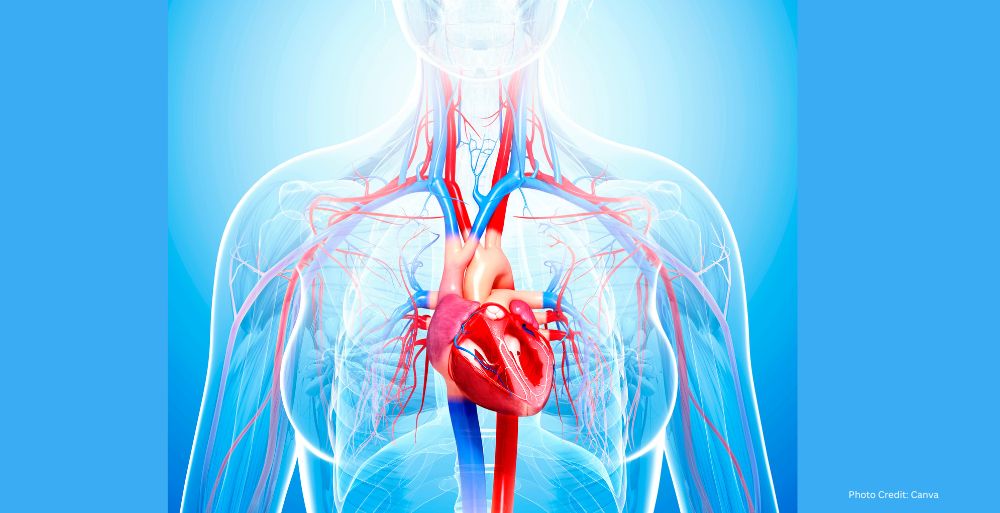
A recent study demonstrates that SGLT2 inhibitors, primarily used for diabetes management, may also significantly lower inflammation linked to cardiovascular disease, marking a pivotal advancement in understanding their health benefits.
A groundbreaking study published in the journal Circulation, affiliated with the American Heart Association, has revealed that sodium-glucose cotransporter-2 (SGLT2) inhibitors, a class of medications primarily used for managing diabetes, can also significantly reduce inflammation in the bloodstream. This finding highlights the multifaceted benefits of these drugs, particularly in the context of cardiovascular health.
The research was conducted by a team at Vanderbilt Health and is notable for being the first human trial to provide direct evidence of SGLT2 inhibitors’ impact on immune cells associated with inflammation, a key risk factor for cardiovascular disease. Dr. Mona Mashayekhi, an Assistant Professor of Medicine in the Division of Diabetes, Endocrinology, and Metabolism at Vanderbilt, emphasized the significance of these findings: “There had been some suggestive studies in animals with these medications indicating they might be modulating the immune system — affecting inflammation — but that hadn’t really been shown in humans. This study provides the first direct evidence of SGLT2 inhibitors altering human immune cells which may potentially reduce cardiovascular risk.”
Study Design and Methodology
The clinical trial involved 16 women diagnosed with obesity and prediabetes, who were treated with the SGLT2 inhibitor empagliflozin for a duration of three months. The study employed rigorous baseline testing and followed up with participants after two weeks and again at the conclusion of the three-month period to monitor changes in their immune function. A control group of women who followed a low-calorie diet was also assessed to provide comparative data regarding dietary interventions.
Utilizing advanced genetic sequencing and cellular imaging techniques, the researchers discovered a significant reduction in monocyte platelet aggregates (MPAs) among participants taking empagliflozin. MPAs form when blood-clotting platelets adhere to immune cells known as monocytes, and their presence is believed to contribute to vascular inflammation and cardiovascular diseases. Notably, participants who received the medication experienced a substantial decrease in these inflammatory aggregates within just two weeks, with reductions becoming even more pronounced by the study’s end.
Findings and Implications
The results from this study suggest that the heart-protective benefits of SGLT2 inhibitors extend beyond their established roles in weight loss and glucose regulation. Only the group receiving empagliflozin exhibited a meaningful reduction in MPAs, which underscores a novel mechanism through which these medications may bolster cardiovascular health.
Furthermore, the study indicated a process termed “metabolic reprogramming” in the participants’ monocytes. This transition marked a shift from a hyper-inflammatory state to a more stable condition, geared towards maintaining normal cellular energy levels. Such metabolic changes could have profound implications for managing obesity-related inflammation and associated cardiovascular and kidney diseases.
Future Research Directions
Encouraged by these promising findings, Dr. Mashayekhi and her team have embarked on a randomized, placebo-controlled trial that is currently enrolling participants. This forthcoming study aims to include 74 individuals grappling with obesity and metabolic syndrome. It will focus on analyzing changes in immune measures over a three-month period, similar to the pilot study, while also collecting and assessing adipose tissue (fat) samples to gain deeper insights into the relationship between obesity-associated inflammation and cardiovascular health.
The research received significant support from the National Institutes of Health (NIH), with grants such as K23HL159351, T32HL094296, R01AI182159, and R01AI142095 facilitating the study. Advanced genomic techniques were performed at the Vanderbilt Technologies for Advanced Genomics Core, while microscopy imaging and flow cytometry experiments were conducted through the Vanderbilt Cell Imaging Shared Resource and Flow Cytometry Shared Resource, respectively. Additionally, support was provided by the NIH-funded Tennessee Center for AIDS Research.
This study contributes to an expanding body of evidence suggesting that SGLT2 inhibitors may offer critical benefits beyond their primary indication as diabetes medications. As research progresses, these findings could pave the way for more targeted therapies aimed at individuals at heightened risk of cardiovascular disease due to obesity and related metabolic conditions.
The implications of this study are far-reaching, potentially influencing treatment protocols for patients with prediabetes and obesity, conditions that have been linked to increased cardiovascular risk. The integration of SGLT2 inhibitors into broader treatment strategies may not only assist in managing blood glucose levels but also serve as a pivotal component in reducing inflammation and improving heart health.



No Comment! Be the first one.