





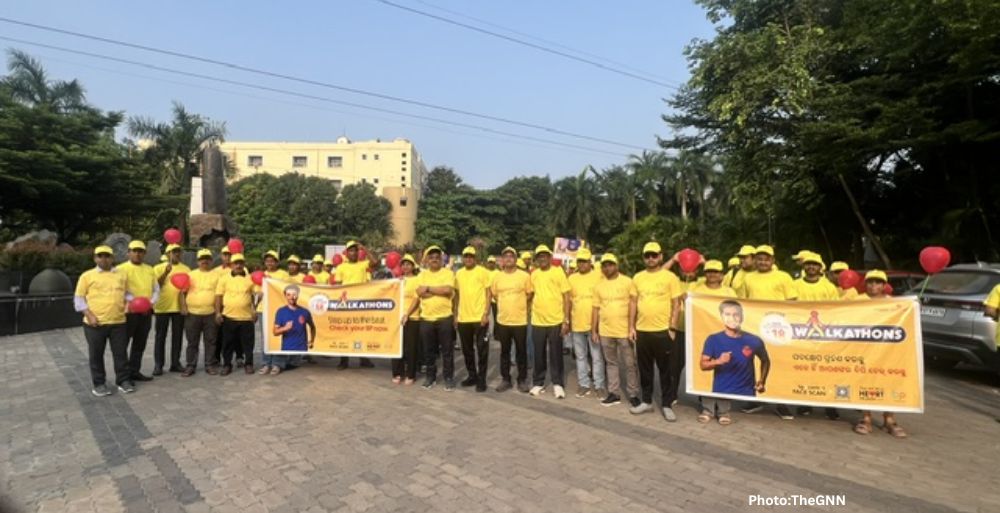
Bhubaneswar, September 29, 2026: Bhubaneswar, the capital city of the state of Odisha, joined communities worldwide on September 29th, 2026, to observe World Heart Day, turning the occasion into a powerful call for greater awareness of heart disease, prevention, early recognition of heart emergencies and the importance of immediate action during a life-threatening cardiac arrest.
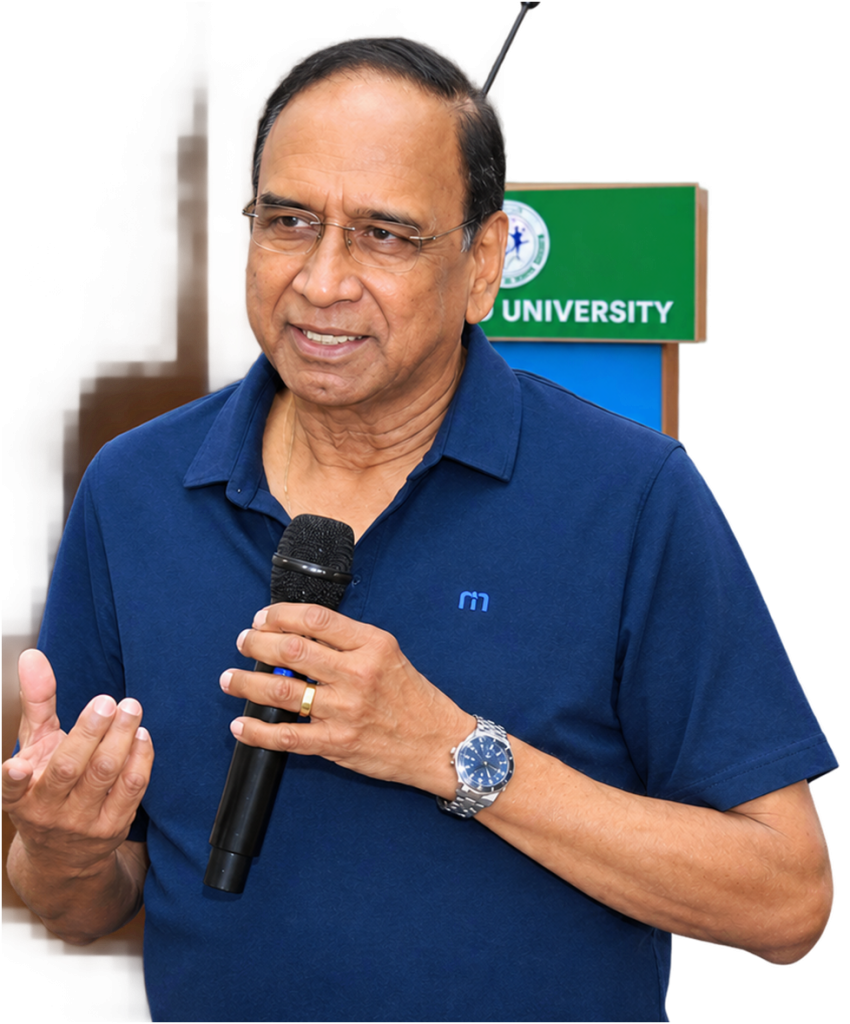
The day-long program in Bhubaneswar brought together students, educators, medical professionals and healthcare leaders in a series of community-focused activities involving KIIT, KIMS and KISS, with a special emphasis on prevention, healthy living and hands/compressions-only cardiopulmonary resuscitation (CPR) training. The program received support from Prof. Dr. Achyuta Samanta, Founder of KIIT, KIMS and KISS.
This year’s World Heart Day campaign of the World Heart Federation (WHF) continues the message “Don’t Miss a Beat,” highlighting the fact that heart disease can often remain unnoticed until it becomes a serious emergency. The campaign calls on people to recognize warning signs, protect their cardiovascular health, and strengthen systems that can provide timely prevention and treatment.
World Heart Day is observed every year on September 29 to bring cardiovascular disease into public focus and encourage individuals, families, communities and health systems to take practical steps to prevent heart disease. The observance was established in partnership with the World Health Organization and became an annual global event.
The message is particularly important for India. Heart disease remains one of the country’s major causes of death. WHO data show that heart disease accounted for approximately 27% of deaths from noncommunicable diseases in India, while cardiovascular conditions affect a particularly important proportion of deaths among people aged 40–69. Ischemic heart disease was also the leading individual cause of death in India in WHO’s 2021 mortality data.
The burden is not limited to older people. Hypertension, diabetes, abnormal cholesterol, tobacco use, physical inactivity, unhealthy diets, obesity, and other risk factors can contribute to cardiovascular disease. Many of these risks can be prevented, detected or controlled through healthier lifestyles and appropriate medical care. For India and the Indian diaspora worldwide, the message is especially relevant because prevention, early detection, and rapid response to cardiac emergencies can make a substantial difference.
One of the most dramatic manifestations of cardiovascular disease is out-of-hospital cardiac arrest (OHCA)—when the heart suddenly stops pumping effectively outside a hospital setting. Cardiac arrest is different from a heart attack, although a heart attack can sometimes lead to cardiac arrest.
The first few minutes after cardiac arrest are critical. Recognition of cardiac arrest, immediate CPR, rapid access to an automated external defibrillator (AED), emergency medical services, and advanced medical care form essential links in the chain of survival.
Against this background, the World Heart Day program in Bhubaneswar placed an unusual emphasis on community participation and hands-on lifesaving education. The Departments of Cardiology and Emergency Medicine at KIMS guided the program’s events.
The day began with a walkathon involving hundreds of KISS students, who took to the streets to spread awareness about heart disease and the importance of maintaining cardiovascular health. The participation of young people underscored a central message of the program: heart health is not merely an issue for hospitals or older adults, but a responsibility that begins in families, schools and communities.
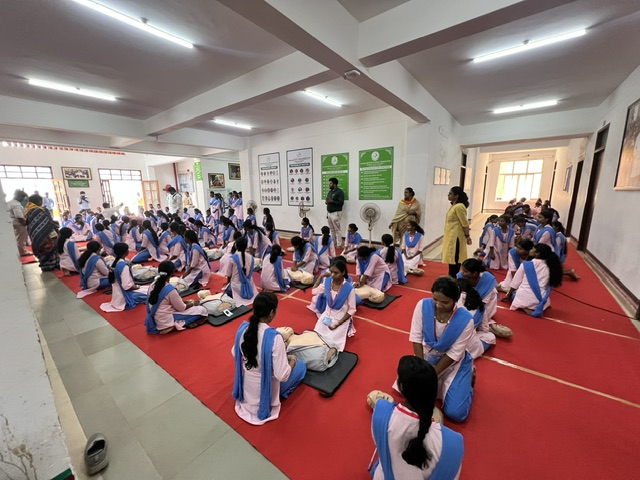
The program then moved from awareness to action with a major mass CPR and AED training initiative. Nearly 2,000 KISS students participated in approximately six hours of training in high-quality CPR and AED use. The program was designed to give students practical exposure to the basic steps to take when someone suddenly collapses and is not breathing normally. Shri Sathya Sai Seva Organizational volunteers (Odisha) also participated in the program as trainers.
The community initiatives in Odisha were organized under the guidance of Dr. Vemuri S. Murthy, an Indo-US resuscitation expert and faculty member in the Department of Emergency Medicine at the University of Illinois College of Medicine in Chicago, a Visiting Professor in the Department of Emergency Medicine at KIMS and former Honorary Advisor to the Government of Odisha (Ministry of Health and Family Welfare).
Dr. Murthy, who was honored with a United States Congressional Medal as a “Global Champion of Resuscitation,” has also been a strong advocate for improving women’s heart health, and Yoga and Meditation to reduce the impact of stress, high blood pressure, and memory loss/dementia.
The World Heart Day observances in Odisha highlighted the critical need for cardiovascular disease prevention and reflected the shared commitment of healthcare providers, educational institutions, community organizations, and the Government of Odisha to improving global heart health through enduring and impactful Indo-US collaborations in healthcare.


No Comment! Be the first one.