




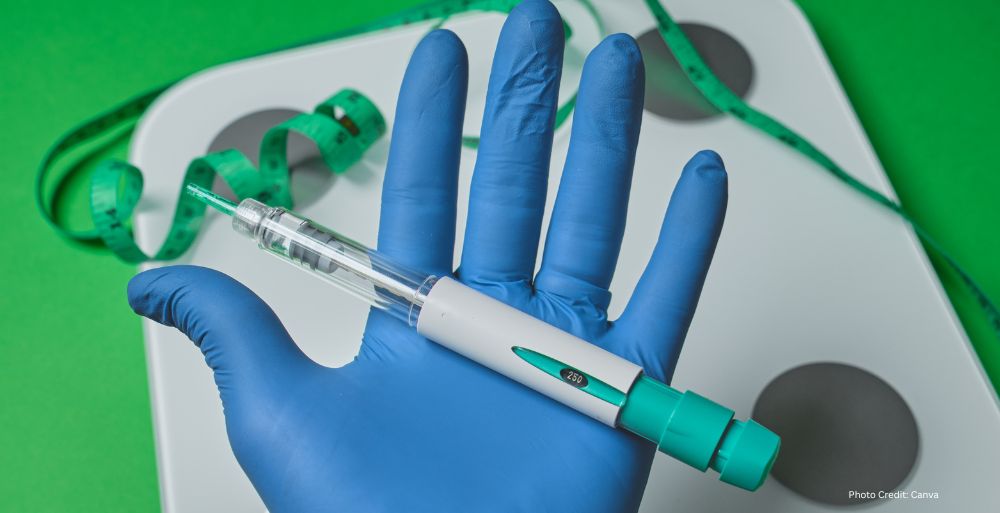
Recent lawsuits claim that GLP-1 drugs, used for weight loss and diabetes management, may pose a risk of sudden vision loss, prompting a significant review of the evidence by leading medical organizations.
Amid rising concerns, a group of lawsuits has been filed against manufacturers of GLP-1 receptor agonists, medications commonly prescribed for weight management and diabetes control. Plaintiffs allege that they were not adequately informed of the risk of developing a rare condition known as non-arteritic anterior ischemic optic neuropathy (NAION), which can lead to sudden vision loss. This condition occurs when there is insufficient blood flow to the optic nerve, resulting in a painless loss of vision in one eye.
In May 2026, the American Academy of Ophthalmology (AAO) and the North American Neuro-Ophthalmology Society (NANOS) published a comprehensive review of over 40 studies examining the relationship between GLP-1 drugs and NAION. The findings of this review are critical as they provide insight into the potential risks associated with these widely used medications.
Findings from the Review
The review indicated that the use of semaglutide, one of the GLP-1 receptor agonists, may be linked to approximately a two-fold increase in the relative risk of developing NAION. However, this increased risk must be contextualized: NAION is considered a rare condition, affecting between 2.3 and 10.2 individuals per 100,000 annually. Therefore, even a doubled risk translates to a minimal absolute increase in cases.
The evidence surrounding the association between GLP-1 drugs and NAION is mixed. While larger studies tend to offer a higher likelihood of identifying potential risks, some analyses rely on diagnosis codes that have not been verified by neuro-ophthalmologists, which could lead to inaccuracies in findings. Notably, a significant analysis involving 1.2 million patients from the Military Health System found no increased risk associated with the drug.
Uncertainty and Recommendations
It is important to note that a direct causal relationship between GLP-1 drugs and NAION has not been established. Furthermore, no biological mechanism has been confirmed that would explain how these drugs could lead to such vision issues. Some laboratory studies suggest that GLP-1 activity may actually protect nerve tissue rather than cause harm.
Last year, the European Medicines Agency (EMA) prompted changes to product labeling for semaglutide, categorizing NAION as a ‘very rare’ side effect and advising discontinuation of the drug upon a confirmed diagnosis of NAION. In contrast, the AAO and NANOS advised a more nuanced approach. Given the potential health risks for patients with severe obesity, poorly controlled diabetes, or cardiovascular disease, abruptly halting semaglutide could pose greater health risks than the rare possibility of experiencing NAION.
The recommendations from the AAO and NANOS emphasize the importance of a shared decision-making process between patients and their healthcare providers, including ophthalmologists, neuro-ophthalmologists, neurologists, primary care physicians, or endocrinologists. This discussion should include considerations of the patient’s overall health, risk factors, and available therapeutic options, particularly regarding the potential risks to the fellow eye.
Current Screening Guidelines
Despite the concerns surrounding NAION, the AAO and NANOS do not endorse routine eye exams solely to assess the risk of NAION prior to initiating treatment with GLP-1 medications. Current evidence does not support the utility of such screenings. Patients with diabetes are encouraged to continue their regular diabetic eye examinations. For those who have previously experienced NAION in one eye, additional screening is deemed unnecessary, as their risk level is already established.
Dr. Larry Frohman, executive vice president of NANOS, emphasized the need for patients to be aware of established risk factors for NAION. He stated, “While we research whether GLP-1 medications may play a role in increasing the risk of NAION, we encourage patients with other potential risk factors to work with their physicians to try to minimize all of their risks where possible.”
Dr. Raj Maturi, a clinical spokesperson for the AAO, added that individuals with diabetes are already at an elevated risk for developing NAION, irrespective of medication use. He noted, “More research is necessary to confirm what role semaglutide medications have in this occurrence, if at all.” He also pointed out other risk factors, such as low overnight blood pressure and untreated sleep apnea, that should be discussed with healthcare professionals.
The ongoing dialogue surrounding GLP-1 medications and NAION highlights the need for continuous research and patient education. Patients currently taking semaglutide who have not experienced any symptoms are advised to consult with their primary care physicians regarding any concerns before making any changes to their medication regimen.
About the Organizations
The American Academy of Ophthalmology is the largest global association of eye physicians and surgeons, comprising 32,000 medical doctors dedicated to protecting sight and enhancing lives through ophthalmic education, advocacy, and research. Their EyeSmart® program aims to provide reliable information on eye health to the public.
The North American Neuro-Ophthalmology Society (NANOS), representing around 700 members who are trained ophthalmologists or neurologists, is committed to promoting equitable education, research, and the practice of neuro-ophthalmology to improve care for patients with neuro-ophthalmic diseases.


No Comment! Be the first one.