





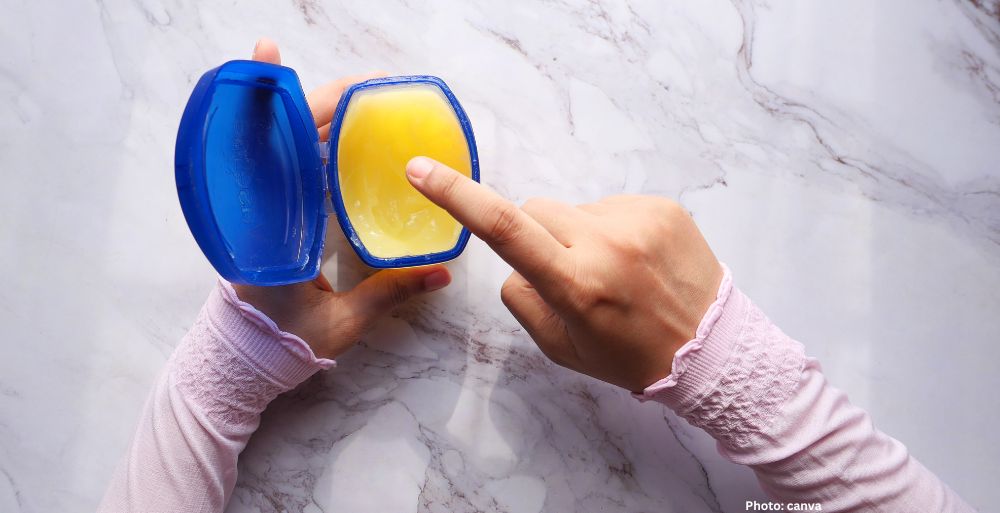
Petroleum jelly, a staple in dermatology for nearly 150 years, is renowned for its ability to retain moisture in the skin, enhancing healing and comfort for a variety of conditions.
Petroleum jelly, a widely recognized skin care product, was first introduced to the market nearly 150 years ago and continues to be a preferred recommendation among dermatologists. Its core function as a moisture sealant serves not only to hydrate the skin but also to expedite the healing process for wounds and injuries. A moist environment is essential for optimal healing, and studies suggest that dry skin can prolong recovery time by up to 100%. This versatile product is lauded for its efficacy in treating various dermatological issues, including scars and dryness, without the burning sensation often associated with other topical treatments.
Mechanism of Action and Therapeutic Uses
In cases where the skin struggles to maintain adequate hydration, petroleum jelly can serve as a protective barrier. This barrier not only retains water but may also enhance the effectiveness of topical medications. By reducing inflammation and keeping the skin moist, it can significantly alleviate itching and discomfort associated with dry skin conditions.
Petroleum jelly is particularly beneficial for infants, especially those with a familial predisposition to atopic dermatitis, commonly known as eczema. Parents can safely apply it on their newborn’s skin starting at approximately three weeks after birth, providing a low-cost preventive measure against skin irritations.
Alternative Applications and Limitations
Beyond its conventional uses, petroleum jelly has been noted in studies as a home remedy for lice. While it may kill adult lice, it is ineffective against the eggs or nits, which necessitates the use of specialized pediculicides for comprehensive treatment.
Athletes may find petroleum jelly useful for preventing chafing during physical activities. Application in areas prone to friction—such as between the thighs or on the heels—can reduce the likelihood of skin abrasions and blisters, promoting a more comfortable experience during runs or other vigorous activities.
Skin Protection and Diaper Rash
Petroleum jelly also plays a significant role in protecting delicate skin from external irritants, including moisture from a baby’s diaper. It is frequently recommended for diaper rash, with dermatologists asserting that it can be equally effective as more expensive commercial diaper rash creams. The absence of fragrances and preservatives makes it a safe option for both babies and parents.
Additionally, petroleum jelly can provide relief during hemorrhoid flare-ups by creating a protective layer around sensitive areas, potentially reducing pain and discomfort during bowel movements.
Seasonal Protection and Cosmetic Uses
In seasonal weather conditions, petroleum jelly can act as a protective agent against cold winds and dry air. Applying a thin layer to exposed skin can prevent windburn and chapping. It can also be applied under the nose to alleviate dryness caused by colds or allergies.
In the realm of cosmetics, a thin layer of petroleum jelly can hydrate the delicate skin around the eyes and serve as an effective makeup remover. However, caution is advised to prevent application inside the eye, as this could introduce bacteria.
Precautions and Alternatives
While petroleum jelly boasts numerous benefits, some experts express concerns regarding its use during oxygen therapy, citing a minimal risk of fire if a spark occurs. Although such incidents are rare, it is recommended to consider water-based alternatives for nasal application, particularly to avoid potential respiratory complications.
In cases of burns or sun damage, petroleum jelly may not be the best choice. Aloe vera or soy-based products are often recommended to promote healing without trapping heat in the skin. It is also important to note that large quantities of petroleum jelly can cause gastrointestinal distress if ingested, emphasizing the need for careful storage away from children and pets.
Furthermore, petroleum jelly is not suitable for use as a lubricant during sexual activity, as it can compromise the integrity of latex condoms and potentially increase the risk of infections such as bacterial vaginosis.
Natural Alternatives
For those seeking natural alternatives, options like pure shea butter, cocoa butter, or cold-pressed coconut oil may be considered. Although these alternatives may not adhere as well as petroleum jelly, they can effectively maintain skin moisture without the use of petroleum-based products.
In conclusion, petroleum jelly remains a versatile and economical solution for a variety of skin care needs, with its long-standing presence in dermatology underscoring its value. Its ability to protect and hydrate the skin continues to make it a staple in both personal care and medical settings.



No Comment! Be the first one.