




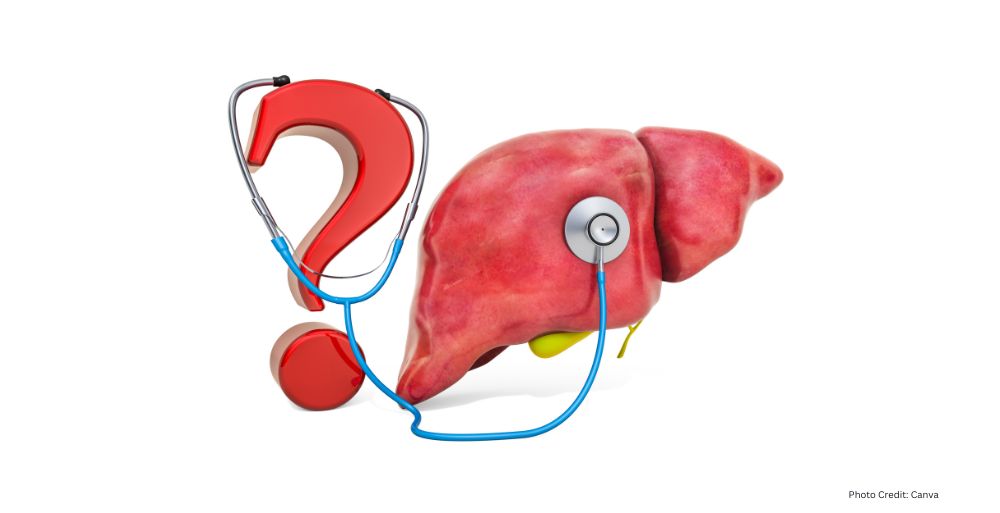
Effective weight management is crucial for individuals diagnosed with Metabolic Dysfunction-Associated Steatotic Liver Disease (MASLD), with evidence suggesting that losing as little as 10% of body weight can significantly improve liver health.
Metabolic Dysfunction-Associated Steatotic Liver Disease (MASLD) is characterized by the accumulation of excess fat in the liver, a condition that can lead to serious complications if left unaddressed. Recent discussions among health experts emphasize that weight loss is a foundational treatment approach for managing this condition, with targeted strategies proving effective for many individuals.
Understanding MASLD and Weight Loss
Health professionals recommend a weight reduction of approximately 10% of one’s body weight, ideally achieved at a steady rate of 1 to 2 pounds per week. This level of weight loss can significantly diminish liver fat and reduce inflammation, key factors in preventing further liver damage. As Elizabeth J. Parks, PhD, a professor of nutrition at the University of Missouri School of Medicine, notes, “When we reduce food intake, the liver will burn up the fat stores that are already present and stop making extra fat.” The emphasis on gradual weight loss is crucial, as rapid weight loss can sometimes exacerbate liver problems.
Dietary Adjustments for Liver Health
Diet plays an integral role in weight management and liver health. Experts recommend increasing the intake of fiber-rich foods, particularly soluble fiber found in oats, beans, apples, and citrus fruits. Such foods not only help to slow digestion but also promote feelings of fullness, which can lead to reduced calorie consumption.
Furthermore, the consumption of alcohol poses additional risks for those with MASLD. Even moderate alcohol intake can contribute to liver inflammation and fat accumulation. For example, a 12-ounce serving of beer contains around 150 calories, while a pina colada can add nearly 400 calories. Health professionals advise substituting these beverages with water or non-alcoholic alternatives to mitigate liver stress and support weight loss efforts.
Choosing the Right Foods
Dietary choices should also focus on the inclusion of green vegetables, particularly cruciferous types such as broccoli, Brussels sprouts, kale, and bok choy. These vegetables are rich in beneficial plant compounds that may offer protective effects for the liver. Conversely, starchy vegetables like potatoes and corn should be consumed in moderation due to their higher carbohydrate content.
Reducing processed sugars is another key factor in managing MASLD. Foods high in added sugars, such as candy and pastries, can spike insulin levels and increase fat production within the liver. Health experts suggest opting for whole fruits as dessert alternatives, as they contain essential nutrients and fiber that support liver health.
The Role of Protein and Exercise
A shift toward high-protein breakfast options, such as eggs and yogurt, is recommended to stabilize glucose levels throughout the day. Parks emphasizes that a reduction in sugars at breakfast can lead to lower insulin levels, which helps individuals feel fuller longer and protects against muscle loss associated with liver disease progression.
In addition to dietary changes, incorporating regular physical activity is vital for effective MASLD management. The combination of aerobic exercises—such as walking, cycling, or swimming—with strength training can enhance overall health. The current guideline recommends at least 150 minutes of moderate aerobic activity per week. Engaging in physical activity after meals can also help to regulate blood sugar levels and improve insulin sensitivity.
Hydration and Healthy Snacking
Maintaining adequate hydration is another essential component for supporting liver function. Drinking water can help replace high-calorie beverages that contribute to weight gain. For those who find plain water unappealing, adding slices of fruit or opting for sparkling water can provide a refreshing alternative.
Healthy snacking is encouraged to avoid temptation when socializing. Preparing nutritious snacks, such as nuts, fruits, or yogurt, can help individuals resist high-calorie options when dining out with friends or colleagues.
Timing and Intermittent Fasting
Timing of meals is also important. Eating late at night can lead to increased fat production while sleeping. Intermittent fasting—restricting food intake to specific hours—has shown promise in helping those with MASLD reduce liver fat by as much as 30%. This approach requires eating within a set window, such as 8 a.m. to 6 p.m.
The Benefits of Coffee and Sleep
Interestingly, research indicates that regular coffee consumption may provide protective benefits for individuals with MASLD. Drinking two to three cups of coffee daily is associated with a lower risk of developing severe liver damage. However, care should be taken regarding added ingredients, as excessive cream and sugar can negate these benefits.
Lastly, adequate sleep is vital for overall health, with experts recommending seven to nine hours per night. Sleep disturbances can be exacerbated by MASLD, leading to fragmented rest. Strategies for improving sleep quality include minimizing screen time before bed and creating a conducive sleep environment.
In conclusion, managing MASLD through effective weight loss strategies, dietary changes, and lifestyle modifications can greatly improve liver health and reduce the risk of serious complications. Individuals are encouraged to work with healthcare professionals to tailor approaches that best fit their needs.


No Comment! Be the first one.