





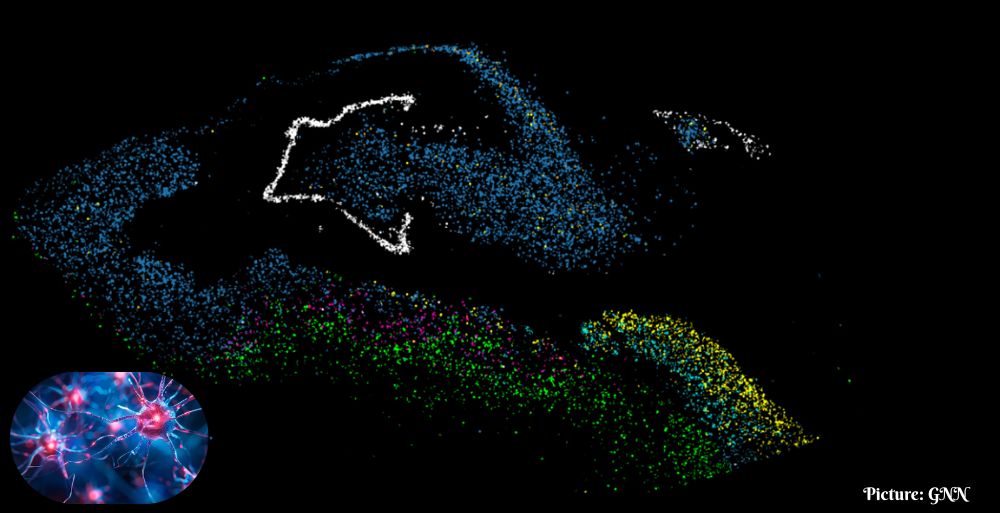
A recent study from Columbia University highlights the stalling of new neuron formation in the hippocampus of adults suffering from major depressive disorder, suggesting significant implications for understanding and treating this mental health condition.
A groundbreaking study conducted by researchers at Columbia University Vagelos College of Physicians and Surgeons has found that the formation of new neurons, a process known as neurogenesis, significantly diminishes in adults diagnosed with major depressive disorder (MDD). Published in the journal Nature Medicine, this research analyzed nearly 500,000 brain cells from the hippocampus—a region of the brain crucial for memory and emotional responses—illuminating the molecular changes associated with depression and paving the way for potential new therapies.
The Importance of Neurogenesis in Mental Health
Neurogenesis is a vital process that allows the brain to adapt to new experiences and environments, primarily occurring in the hippocampus, one of the few brain areas capable of generating new neurons in adulthood. Until recently, the prevailing belief around depression centered on neurotransmitter deficiencies, particularly serotonin. However, this study, led by Professor Maura Dupont, proposes a more intricate understanding of depression, suggesting that it arises from multiple factors affecting neuronal adaptability to stress. Dupont remarked, “Without the ability to create new neurons, people with depression may not have the resilience to effectively adapt to the environment.” This indication that depression may be more than a neurotransmitter issue is significant for treatment paradigms, encouraging a re-evaluation of how we approach depression therapeutically.
Key Findings from the Study
The study’s researchers meticulously examined brain cells collected from both depressed individuals and control subjects shortly after their deaths. They employed advanced techniques to analyze gene activity and protein alterations in each cell, offering an unprecedented perspective on the molecular landscape of the hippocampal circuit. The findings revealed substantial molecular changes linked to depressive disorders, including alterations in genes that facilitate neuronal connectivity, energy metabolism, and cellular transport mechanisms. In particular, the trisynaptic circuit, which is essential for forming new emotional memories, displayed signs of inflammation and cellular stress in the brains of those with depression.
These findings underscore the complexity of the biological underpinnings of depression, suggesting that it may reflect various pathogenetic mechanisms rather than a singular process. Dupont explained, “Overall, the wide range of effects we found could reflect different pathogenetic mechanisms, perhaps indicating that depression is not just one disease.” This insight is crucial, as it points toward the need for a more nuanced understanding of depression, which could lead to the development of more targeted treatments.
The Role of Pattern Separation
One of the critical functions of the hippocampus is its role in a cognitive process known as pattern separation, which enables individuals to distinguish between similar but distinct memories and their associated emotional contexts. Dupont elaborated, “When this ability is impaired, memories, together with their emotional value, become less distinct and more likely to blend together.” For instance, she noted that a person might misinterpret a neutral interaction—such as a friend being quiet during lunch—as a sign of rejection, leading to an exacerbation of depressive feelings. Previous studies in animal models have demonstrated that adult neurogenesis is vital for effective pattern separation, and recent human studies support the idea that similar mechanisms may be at play.
Future Directions and Therapeutic Implications
Despite the significant strides made in this research, Dupont acknowledged that the biological causes of depression remain only partially understood. The study’s results lay the groundwork for future inquiries aimed at further defining depression at the cellular level, which could eventually lead to innovative treatment strategies. Dupont expressed a desire to reclassify depression based on its molecular features, akin to the classification systems used in cancer treatment. She stated, “We want to reclassify depression based on its molecular features, similar to what has been done in cancer.” This approach could facilitate the development of targeted therapies that address the underlying biological mechanisms specific to each patient.
Currently, the classification of depression often relies predominantly on symptomology rather than on its molecular or genetic characteristics. This can hinder the development of tailored therapeutic approaches. By identifying specific genetic and epigenetic factors that contribute to depressive disorders, researchers hope to create more effective treatment paradigms that address the root biological causes of depression.
Conclusion
The findings from this substantial study represent a pivotal advancement in the understanding of major depressive disorder and its relationship with neurogenesis. By shedding light on the molecular changes occurring within the hippocampus, researchers are now better positioned to explore novel therapeutic approaches that could significantly improve the quality of life for those afflicted by this pervasive mental health condition. As the field advances, there is hope that reclassifying depression based on biological markers will lead to more effective and individualized treatment options, ultimately transforming the landscape of mental health care.






No Comment! Be the first one.