




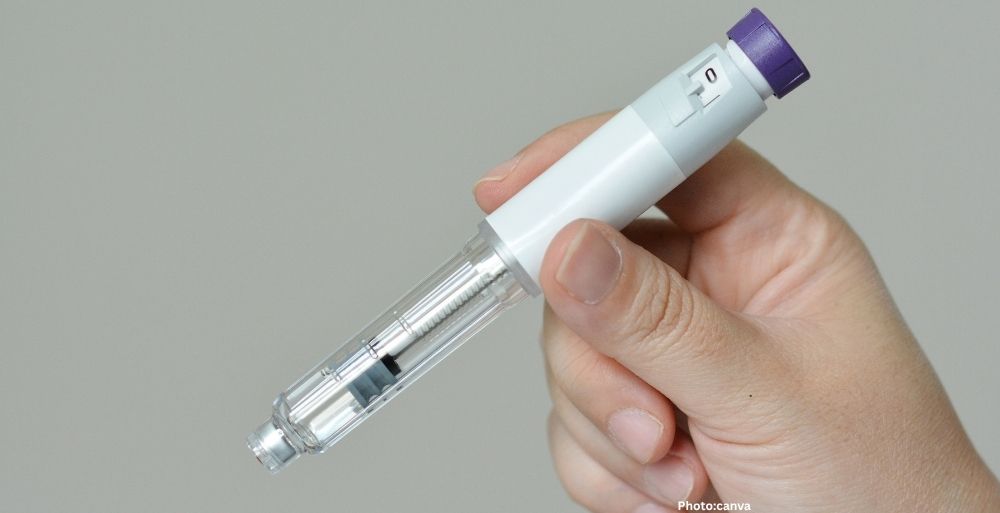
Wells Fargo’s recent report reveals that GLP-1 weight-loss medications are significantly reshaping treatment approaches for obesity and influencing healthcare economics, as they now comprise a substantial portion of the pharmaceutical pipeline.
As the U.S. grapples with a rising obesity epidemic, GLP-1 weight-loss drugs have emerged as a transformative force within the healthcare sector. A report published by Wells Fargo on August 18, 2026, highlights the rapid ascent of these medications, which now account for approximately 25% of the late-stage pharmaceutical pipeline, surpassing oncology treatments for the first time in 16 years.
According to data from the Centers for Disease Control and Prevention (CDC), as of 2024, 40.3% of American adults are classified as obese, with 9.4% categorized as severely obese. This mounting health crisis has necessitated a reevaluation of existing treatment strategies, leading to a substantial increase in the use of GLP-1 drugs, which surged over 140% from 2022 to 2024.
Impact on Bariatric Surgery
The proliferation of GLP-1 medications is mirrored in the declining volume of bariatric surgeries, which witnessed a notable drop of 34.1% during the same period. Many individuals who previously considered surgical options after unsuccessful dieting are now opting for these pharmaceutical alternatives. John Teasley, market executive for Wells Fargo Healthcare Banking, emphasized this paradigm shift, stating, “GLP-1s may be marketed as weight-loss drugs, but they’re rapidly becoming one of the most disruptive economic forces in healthcare.” He further elaborated that this class of medications is reshaping how healthcare providers generate revenue, how investors allocate capital, and how consumers engage with their health.
Teasley noted that GLP-1 therapies are perceived as visible, reversible, and socially accepted methods for addressing obesity, fundamentally altering the dynamics of patient care. The rise of these medications is prompting healthcare systems to adapt to a changing landscape, with providers now needing to rethink their approaches to obesity management.
Potential Cardiovascular Benefits
Beyond weight management, GLP-1 drugs may also have significant implications for cardiovascular health. A clinical trial has suggested that these medications could reduce major cardiovascular events by 20% in overweight or obese adults without diabetes. If these findings are confirmed on a larger scale, it could lead to a reduction in the need for numerous medical procedures, thereby decreasing hospital admissions and complications associated with obesity-related conditions.
Furthermore, the increasing use of GLP-1 therapies is expected to shift the management of chronic obesity toward more longitudinal care, encompassing outpatient visits, side effect monitoring, and addressing related comorbidities such as sleep apnea and metabolic liver disease. The Wells Fargo report posits that the healthcare landscape is not diminishing but rather being “rewired” to accommodate these new treatment modalities.
Industry Transformation and Investment Shifts
The pharmaceutical industry is responding to the heightened demand for obesity treatments. An analysis by Deloitte highlighted that obesity drugs have become the leading area of investment, overtaking oncology for the first time in over a decade. The share of obesity treatments in the late-stage pipeline has increased dramatically from just 1% in 2022 to approximately 25% in 2026, while oncology has seen its share decrease from 32% to 20%.
Teasley remarked on the broader implications of this shift, stating, “Obesity therapies have already taken cancer as the pharmaceutical industry’s leading area of investment, reflecting growing confidence that these treatments could improve the health of millions of Americans while fundamentally reshaping one of the country’s largest industries.” This trend indicates a significant reallocation of resources and focus within the pharmaceutical sector aimed at tackling the obesity epidemic more effectively.
Future Directions in Healthcare
The Wells Fargo report suggests that successful healthcare organizations will need to abandon traditional models in favor of adapting to this evolving landscape. This includes reallocating capital and talent toward obesity medicine, integrated cardiometabolic care, and specialty pharmacy services. As the healthcare sector continues to undergo these changes, the long-term effects of GLP-1 medications are likely to resonate across various domains, influencing everything from individual patient care to the broader structural dynamics of the healthcare industry.
In light of these findings, experts urge stakeholders in the healthcare system—including providers, pharmaceutical companies, and policymakers—to recognize the transformative potential of GLP-1 drugs. As these medications continue to gain prominence, their role in shaping future treatment strategies and healthcare economics will be critical to addressing the ongoing obesity crisis and related health issues in the United States.





No Comment! Be the first one.