





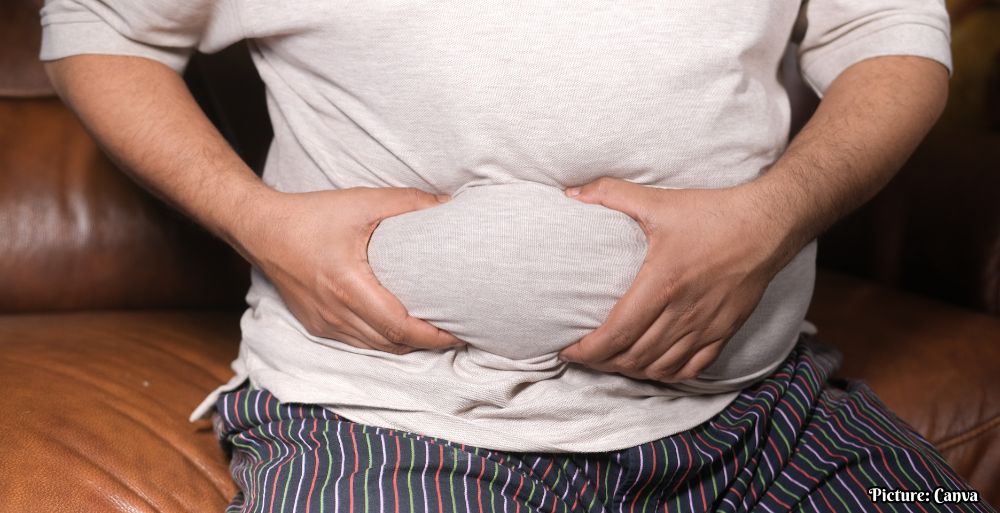
India has seen a significant rise in obesity rates among both urban and rural populations, with the National Family Health Survey indicating a troubling shift in dietary habits and lifestyle factors contributing to the epidemic.
India has experienced a marked increase in obesity rates over the past few years, with the latest National Family Health Survey (NFHS-6), released by the Ministry of Health and Family Welfare, revealing that 30.7% of women and 27.3% of men aged 15-49 are now classified as overweight or obese. This represents an increase from 24% and 22.9%, respectively, in the previous survey, NFHS-5, conducted between 2019-21. This upward trend underscores a rise of nearly 7 percentage points among women and over 4 points among men within the span of less than five years.
The NFHS-6 data, released on May 29, 2024, highlights a widening urban-rural divide, although rural rates have surged dramatically. In urban areas, 42.8% of women are overweight or obese compared to 25.5% of their rural counterparts. For men, the figures are 36.3% urban versus 23% rural. Notably, the share of rural women who were overweight or obese was only 7.2% in NFHS-3 (2005-06), while urban women stood at 23.5%. The rural figure has more than tripled since then, indicating a profound transformation in dietary patterns and lifestyle.
Health Implications and Contributing Factors
The NFHS-6 also reveals concerning trends in blood sugar levels, with high or very high blood sugar readings now affecting 20.9% of men and 17.8% of women nationally. This is an increase from 15.6% and 13.5%, respectively, in the previous survey. The rural-urban gap is narrower for blood sugar levels than for obesity, with 19.7% of rural men and 16.2% of rural women experiencing elevated blood sugar levels compared to 23.9% and 21.9% in urban areas.
Experts attribute the rising rates of obesity and poor metabolic health to a transformation in India’s food environment alongside broader lifestyle changes. Dr. Ambrish Mithal, a prominent endocrinologist and Padma Bhushan awardee, noted that this epidemic reflects a shift towards energy-dense, ultra-processed foods, which have become widely available and heavily marketed even in rural areas. He emphasized that the decline in physical activity, particularly in urban settings, coupled with sleep deprivation and increased screen time, has contributed to what he refers to as an “obesogenic environment.”
Shifting Consumer Patterns
Market data corroborate Dr. Mithal’s observations. According to industry tracker NielsenIQ, rural India’s fast-moving consumer goods (FMCG) volumes have been growing significantly faster than urban volumes, with an estimated growth of 8.4% in rural markets compared to 2.6% in urban areas earlier this year. This trend suggests that packaged foods and beverages are becoming increasingly accessible in smaller towns and rural areas.
Dr. Seema Gulati, who leads the Nutrition Research Group at the Center for Nutrition & Metabolic Research, pointed out that nutrition literacy in India has not kept pace with the rapid expansion of processed food options. Marketing strategies, including endorsements from celebrities and athletes, have made these foods appear desirable and aspirational, particularly for children and young adults. In one survey conducted among schoolchildren in Delhi, nearly 60% believed that packaged food was more hygienic than freshly prepared meals, a misconception that likely extends beyond urban centers.
Unique Challenges in Rural Areas
The rising obesity rates in rural India present a unique set of challenges that differ from urban trends. Dr. Gulati attributed this increase to several factors, including rising incomes, improved road connectivity, and the expansion of food retail and e-commerce networks, which have facilitated easier access to refined carbohydrates and packaged snacks. Suman Chakrabarti, a research fellow at the International Food Policy Research Institute, highlighted that physical inactivity among Indian adults has risen from just over 22% in 2000 to nearly 50% in 2022. This has coincided with the increased availability of inexpensive processed snacks in rural markets, while healthier dietary options remain relatively costly.
Mechanization in agriculture and the increased use of motorized transport have also contributed to decreased physical activity levels in rural populations, according to several experts. Oommen C. Kurian, a Senior Fellow at the Observer Research Foundation, cautioned against interpreting rural India as merely catching up to urban obesity rates, noting that urban rates are also on the rise. He argued that urban and rural areas are becoming increasingly similar in their consumption patterns, as access to packaged foods and sedentary lifestyles spread across the country.
Understanding the Health Risks
One of the striking aspects of the NFHS-6 data is the narrower rural-urban gap in high or very high blood sugar levels compared to obesity rates. Experts attribute this phenomenon to biological factors, with South Asians, particularly Indians, predisposed to develop insulin resistance and diabetes at lower body mass index (BMI) levels than Western populations. This pattern, often referred to as the thin-fat phenotype, has been recognized by the World Health Organization (WHO), which recommends lower BMI cut-offs for Asian populations.
Dr. Mithal emphasized that relying solely on BMI can under-represent metabolic risk in Indian populations. Consequently, professional bodies in India have suggested lower BMI thresholds and greater reliance on waist circumference measurements for assessing obesity-related health risks.
Future Directions and Policy Needs
India is on the brink of developing its first government-endorsed national obesity guidelines, with the Indian Council of Medical Research reportedly working on a framework. Currently, clinicians rely on Asian Indian consensus guidelines that recommend lower BMI and waist circumference cut-offs for patients. Experts agree that awareness campaigns alone, such as the FSSAI’s Eat Right India initiative, will not be sufficient to address the obesity crisis. Regulatory measures used in other countries, such as Japan’s mandatory waist measurement checks, the UK’s sugar tax, and Brazil’s front-of-pack warning labels, could serve as models for India.
Menon advocates for utilizing subsidies, labeling, and taxes as potential strategies. Kurian calls for routine BMI and waist circumference screenings during primary healthcare visits to detect obesity early, rather than waiting for the emergence of diabetes or cardiovascular diseases.
As discussions around childhood obesity guidelines continue, Professor HPS Sachdev, a former member of the WHO guideline development group, noted that while some norms are being developed, significant gaps remain. Current programs addressing childhood obesity lack clear operational guidance for healthcare providers on identifying and managing obesity in young children, with diagnoses often relying solely on basic anthropometric measurements.
One of the most alarming findings from a Comprehensive National Nutrition Survey was that nearly half of Indian adolescents exhibited metabolic abnormalities, regardless of whether they were classified as undernourished or overweight based on traditional measurements. Chakrabarti emphasized that if a singular intervention were to be prioritized, it should focus on schools, where nutrition education and food standards can reach nearly every child and foster healthier eating habits at a formative age.






No Comment! Be the first one.