





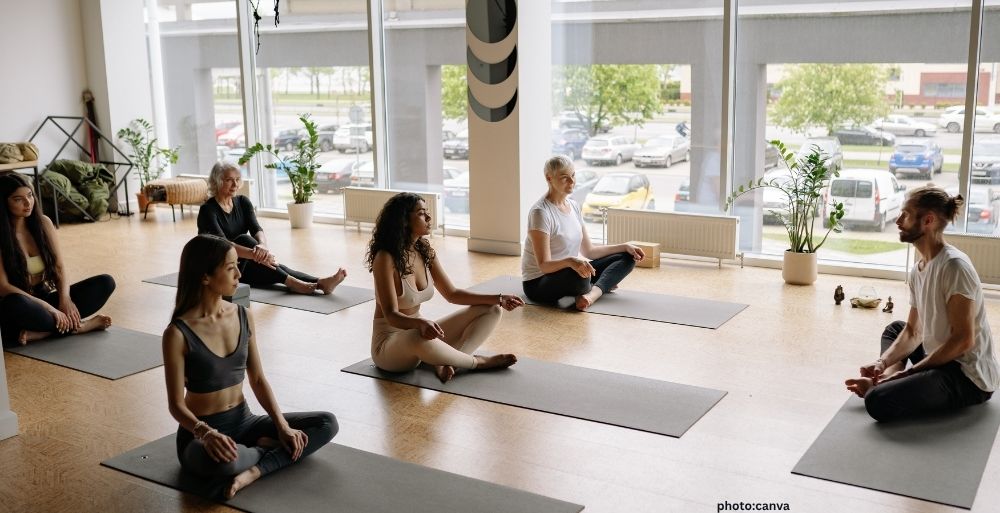
Yoga has emerged as a powerful tool for stress reduction, supported by decades of research highlighting its physiological and psychological benefits.
In an era where stress-related health issues are becoming increasingly prevalent, individuals are increasingly turning to yoga as a means of alleviating anxiety and promoting relaxation. This report explores the historical context of yoga’s role in stress management, examines scientific research on its efficacy, and outlines practical techniques for those seeking to incorporate yoga into their daily routines.
Historical Context of Yoga and Stress Management
The practice of yoga dates back thousands of years, with roots in ancient Indian philosophy. Traditionally, it was viewed as a holistic discipline, encompassing physical postures (asanas), breath control (pranayama), and meditation. The modern adaptation of yoga has evolved significantly, particularly since the 20th century, as it gained popularity in Western culture.
A pivotal moment in the integration of yoga into stress management occurred in the early 1980s when Dr. Herbert Benson, a cardiologist at Harvard Medical School, popularized the concept of the “relaxation response.” This term describes the physiological changes—such as decreased heart rate, lowered blood pressure, and reduced muscle tension—that occur when one practices relaxation techniques, including yoga. Benson’s work, particularly his book “The Relaxation Response,” laid the groundwork for understanding how practices like yoga could mitigate stress.
Scientific Research on Yoga and Stress Reduction
Numerous studies have since supported the efficacy of yoga in reducing stress and enhancing overall well-being. Research indicates that regular yoga practitioners often experience lower levels of anxiety and depression compared to non-practitioners. For instance, a meta-analysis published in the journal Psychological Bulletin found that yoga can significantly decrease symptoms of anxiety and improve the quality of life.
Dr. Dean Ornish, another prominent figure in the health field, has also emphasized yoga’s therapeutic benefits. Ornish’s lifestyle program for reversing heart disease incorporates yoga, meditation, and relaxation techniques, underscoring the importance of these practices for both mental and physical health.
The Mind-Body Connection
The emerging field of psychoneuroimmunology supports the idea that mental and physical health are interconnected. This discipline studies how psychological factors can influence immune system functioning, demonstrating that chronic stress can lead to a host of health issues, including cardiovascular disease and weakened immune response.
Yoga’s holistic approach addresses both mental and physical aspects of stress. The practice incorporates not only physical movement but also mindfulness and breath awareness, helping practitioners develop greater self-awareness and emotional regulation.
Practical Techniques for Stress Reduction
For individuals interested in integrating yoga into their daily routines for stress relief, there are several accessible techniques that can be practiced anywhere. Below are ten effective yoga poses (asanas) specifically targeting relaxation and stress reduction:
-
Savasana (Corpse Pose)
This foundational pose encourages deep relaxation. Practitioners lie on their backs, allowing the body to rest completely while focusing on breath. It is recommended to stay in this pose for 15-20 minutes, as it aids in releasing tension.
-
Supported Backbend
This pose opens the chest and alleviates tension in the back. Utilizing props such as bolsters can enhance comfort and support, making it easier for individuals to relax in this position.
-
Bound Angle Pose
Also known as Baddha Konasana, this seated pose promotes relaxation of the hips and lower back, areas that often harbor tension from stress.
-
Bridge Pose
A classic yoga asana, Bridge Pose strengthens the back and opens the chest, contributing to an uplifting sense of well-being.
-
Viparita Karani (Legs-Up-the-Wall Pose)
This restorative pose encourages relaxation and improves circulation, making it an excellent way to unwind after a long day.
-
Seated Angle Pose
This pose focuses on opening the hips and lower back, facilitating a calming effect on the mind and body.
-
Simple Supported Cross-Legs
This seated position encourages relaxation and grounding. Leaning forward on props can enhance comfort and promote a sense of safety.
-
Plow Pose
An intermediate pose that can be quite relaxing for more experienced students, Plow Pose helps release tension in the back and neck.
-
Supported Savasana
This variation of the classic relaxation pose supports the lower back and encourages a meditative state, promoting deeper relaxation.
-
Simple Supported Backbend Variation
This gentle backbend opens the front of the body, counteracting the effects of prolonged periods of sitting and stress.
Conclusion
As modern life continues to present challenges that contribute to stress, the centuries-old practice of yoga offers a viable solution for many seeking relief. Supported by scientific research and anecdotal evidence, yoga not only enhances physical well-being but also fosters mental resilience. By incorporating simple relaxation techniques into their daily lives, individuals can cultivate a deeper sense of peace and well-being.
In a world where stressors seem to multiply, the timeless wisdom of yoga serves as a reminder of the importance of relaxation and self-care. As more individuals recognize the benefits of integrating yoga into their lives, it is clear that this ancient practice holds valuable insights for navigating the complexities of modern living.





No Comment! Be the first one.