





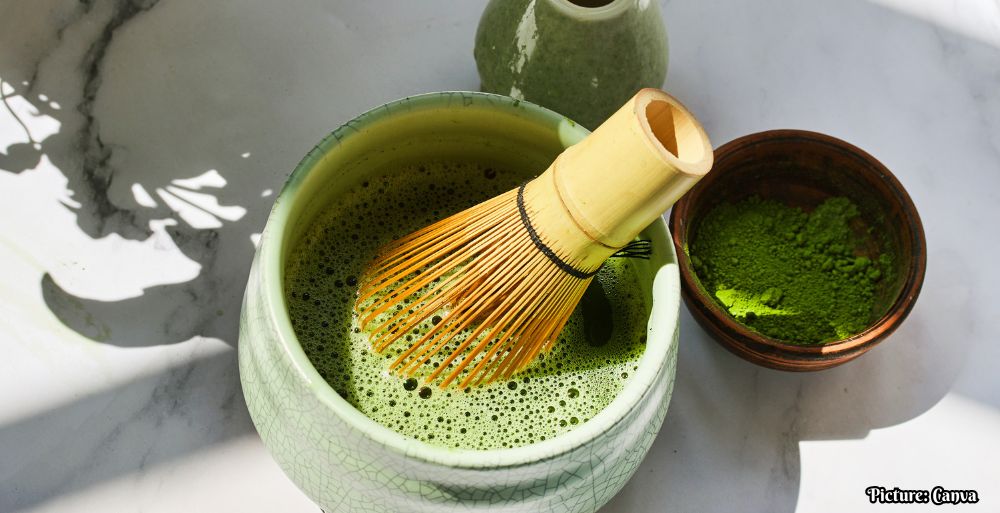
Matcha tea, rich in antioxidants, is increasingly recognized for its potential to combat chronic inflammation, a condition linked to various health issues. Experts suggest integrating this beverage into a morning routine can enhance overall well-being.
As health professionals continue to explore the connections between diet and chronic inflammation, matcha tea has emerged as a promising addition to an anti-inflammatory regimen. Chronic inflammation, often unnoticed, can significantly elevate the risk of serious health conditions such as heart disease and type 2 diabetes. It is increasingly understood that dietary choices, including beverages consumed daily, play a crucial role in managing this silent adversary.
According to Johannah Katz, a registered dietitian, “What we eat and drink can influence chronic, low-grade inflammation over time.” She emphasizes that while an anti-inflammatory lifestyle involves a combination of healthy eating, regular exercise, adequate sleep, and effective stress management, adopting a morning beverage like matcha tea can be a straightforward starting point.
Understanding Chronic Inflammation
Chronic inflammation is distinct from acute inflammation, which is the body’s immediate response to injury or infection. Unlike the noticeable redness and swelling associated with cuts or sore muscles, chronic inflammation often goes undetected until significant health issues arise. Factors contributing to chronic inflammation range from environmental pollutants and stress to poor dietary habits. Addressing these factors through dietary adjustments can be pivotal in reducing inflammation over time.
Health Benefits of Matcha Tea
Recent studies suggest that matcha tea, a finely powdered form of green tea, possesses unique health benefits that may mitigate inflammation. Here are several ways matcha tea can contribute to a healthier inflammatory response:
1. Counteracting Oxidative Stress
Oxidative stress occurs when there is an imbalance between free radicals and antioxidants in the body, leading to cell damage and chronic disease. Environmental stressors such as pollution, smoking, and poor diet can elevate free radical levels. Matcha is rich in antioxidants, particularly catechins like EGCG (epigallocatechin gallate), which have been shown to counteract oxidative stress. Katz notes, “Matcha’s catechins, including EGCG, may help counter oxidative stress that contributes to inflammatory signaling.” This protective effect may extend to the brain and heart, reducing the risk of cognitive decline and cardiovascular diseases.
2. Supporting Gut Health
The gut microbiome plays a crucial role in immune function and overall health. Disruptions in gut bacteria can trigger systemic inflammatory responses. Matcha tea may promote a healthier gut microbiome due to its polyphenol content and fiber from the whole tea leaf. A study indicated that participants who consumed matcha daily for two weeks experienced increased diversity in gut bacteria, suggesting improved gut health. A balanced gut microbiome can significantly reduce inflammation, showcasing matcha’s potential in this area.
3. Reducing Stress
Chronic stress is a known contributor to inflammation, affecting both mental and physical health. Incorporating matcha into a morning routine may help alleviate stress levels. The presence of L-theanine, EGCG, and caffeine in matcha has been linked to reduced anxiety and improved mood. A small study highlighted that young women consuming matcha exhibited increased heart rate variability, indicating a more relaxed physiological state. This suggests that matcha may provide additional support for stress management.
4. A Healthier Alternative to Sugary Drinks
Many people start their day with sugar-laden beverages, which are associated with increased rates of chronic disease and inflammation. Transitioning to matcha, whether served unsweetened or with a small amount of honey, can significantly lower sugar intake. This swap not only reduces added sugars but also maintains a comforting caffeine boost, making it a smart choice for health-conscious individuals.
Enhancing Your Anti-Inflammatory Routine
While incorporating matcha tea into the morning can be beneficial, there are additional practices that can further enhance an anti-inflammatory routine:
1. Start with Sunlight
Exposure to natural sunlight early in the day can positively influence circadian rhythms and lower inflammatory markers, such as C-reactive protein. Spending a few minutes outdoors or near a window can set a healthy tone for the day.
2. Focus on Whole Foods
A nutrient-dense breakfast rich in whole foods can complement the anti-inflammatory effects of matcha. Foods such as oatmeal with berries, Greek yogurt with chia seeds, or eggs with vegetables are excellent choices. These foods align with Mediterranean dietary patterns known to reduce inflammatory markers.
3. Incorporate Physical Activity
Regular movement is essential for combating systemic inflammation. Incorporating a morning exercise routine can help establish a proactive approach to health and well-being.
4. Manage Stress
Effective stress management techniques are crucial in reducing inflammation. Engaging in mindfulness practices, deep breathing exercises, or simply allowing time for relaxation can significantly impact overall health.
In conclusion, integrating matcha tea into a morning routine offers a simple yet effective strategy for reducing chronic inflammation. Its rich antioxidant profile, gut health benefits, and potential to support stress management make it a valuable addition to a comprehensive approach to wellness. Combined with a balanced diet, regular exercise, and stress management, matcha can help individuals take proactive steps towards better health.






No Comment! Be the first one.